"Sheberghan was the site of the Dasht-i-Leili massacre in December 2001 during the U.S. invasion of Afghanistan where between 250 and 3,000 (depending on sources) Taliban prisoners were shot and/or suffocated to death in metal truck containers, while being transferred by American and Northern Alliance soldiers from Kunduz to Sheberghan prison." da wiki.
contrariedades ideológicas importam-me pouco. a realidade é muito mais barulhenta.
os túmulos colectivos, i.e., mass graves, depois do massacre de 2001:

War in Afghanistan (2001–present)
documentário premiado: Afghan Massacre: The Convoy of Death em domínio público no internet archive.
- -
nas viagens de Marco Polo:
"So after travelling for six days as I have told you, you come to a city called SAPURGAN. It has great plenty of everything, but especially of the very best melons in the world. They preserve them by paring them round and round into strips, and drying them in the sun. When dry they are sweeter than honey, and are carried off for sale all over the country. There is also abundance of game here, both of birds and beasts."
no cap. 26.
tanto mudou mas-- oitocentos anos depois os cidadãos de Sheberghan continuam a secar e a vender os seus melões, mais doces do que o mel.
em Shebergan foram descobertos (por arqueólogos russos) vestígios de um palácio 1000 anos anteriores a Cristo. ali estavam os túmulos de seis reis e grandes quantidades de outro bactriano (a Bactriana de Alexandre) que deve estar agora, suponho, nos museus do Kremlin.
a mão americana da nato deu uma história diferente à antiga terra da fruta doce como o mel: nela foi construída a prisão da nato para os combatentes talibans.

"One of the most notorious POW detention centers was located in the town of Sheberghan (Shebargan) in Jowzjan Province, 120 kilometers west of Mazar-e-Sharif. The prison was controlled by the Uzbek militia under the command of the powerful warlord, Gen. Rashid Dostum. In February 2002, the facility was hugely overcrowded, with well over three thousand inmates, of which about two thousand were so-called local Taliban, i.e. Afghans, and the rest were foreign, mostly Pakistani, fighters. They all were held in three huge blocks. Conditions were appalling and the inmates dreamed of being taken to Cuba where the U.S. military were conducting their investigation at the Guantanamo Bay detention center. The Sheberghan prison complex had a high mortality rate despite aid from the International Red Cross. The camp's only doctor said prisoners suffered from dysentery, pneumonia, and tuberculosis, and medicines were in short supply. Prison wardens said it would be unfair to keep the enemies alive by giving them medicines that should rather be directed to help the local population who suffered under the Taliban regime."
notícias actualizadas: "SHEBERGHAN: (AIP): Prisoners at the Faryab central prison said on Monday that their issues had not been resolved so far. Talking to the Afghan Islamic Press (AIP), an inmate of the Faryab central prison said the prisoners had been given enough food for the last three days, adding they were also facing lack of water, power and other facilities. “The prison chief Haji Sardar wants cash from prisoners for reducing imprisonment and releasing inmates. He takes cash from inmates. Everyone who keeps beard is tortured after being labelled as Taliban and deprives them of their rights,” he added."
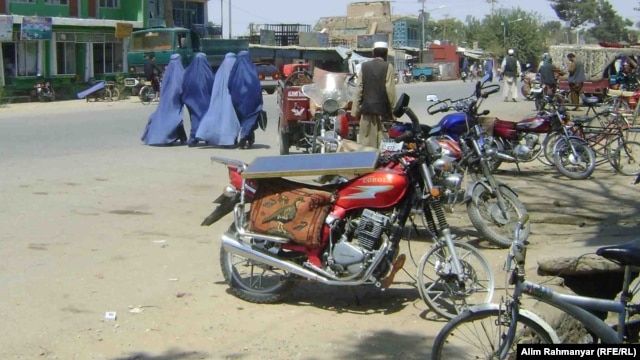
notícia de Março passado na NPR:
"SEAN CARBERRY, BYLINE: This is downtown Sheberghan, which is the capital of Jowzjan province in northern Afghanistan. But it might as well be called Dostum Town. This is the home city of General Dostum, famous warlord and political candidate. And everywhere you turn, you quite literally see signs of General Dostum. On a corner right here is a small market of men selling lamb pelts. Hovering above them are posters of General Dostum with presidential candidate Ashraf Ghani Ahmadzai."
claro que Dostum, o amigo da nato e do futuro presidente, o uzbek todo poderoso que controla a cidade também é o responsável pelo assassínio em massa de 2001, o aliado do ocidente e que o ocidente ainda apoia contra os maus, os taliban.
o que faz o ocidente no afeganistão?
Western powers should leave Afghanistan.
a terceira razão, se não todas, é para chorar: We've reached a stalemate with current military strategy. a estratégia militar: que maravilhosa estratégia, tantos frutos doces gera! ah tolstoi...
mortes de civis nesta guerra até agora: 20.000. a guerra começou com o nome Operation Enduring Freedom. (estratégia militar)
the travels mapped:
View Interactive Map of the Travels of Marco Polo in a larger map


