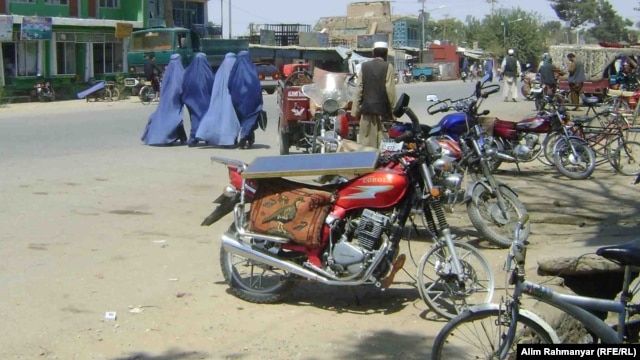
light gazing, ışığa bakmak
Sunday, July 5, 2015
that i will read
ou amanhã, afinal. para me defender fiz o que faço sempre: fui buscar livros. tenho duas ou três pilhas no quarto. (protegem-me?) em cima da tábua de passar a ferro, em cima da televisão grande e velha que era da minha avó e em cima da cómoda, deitados para lhes poder ver os títulos. nas andanças descobri que tenho duas vezes a morte de Ivan Ilitch, tenho de oferecer uma a alguém de que goste, é um grande pequeno livro.
Publicado por
Ana V.
às
9:29 PM
0
comentários
TAGS Borges, go east old woman, Mulheres, Tolstoi
Thursday, February 26, 2015
viagens de comboio
enquanto me ponho a hipótese de nas idas a norte optar pela viagem de comboio (o mesmo que colheu a vida e os corpos de dois jovens polícias), leio a do jovem Marcel asmático para Balbec e alinho-a a outras: a de Karenina com o livro no colo, a entrada de Gustav em Veneza, a das crianças alemãs de Sebald, os pastores de Sepúlveda no Patagonia Express.
Publicado por
Ana V.
às
9:33 AM
0
comentários
TAGS Luis Sepúlveda, Marcel Proust, Stuff, Thomas Mann, Tolstoi, W. G. Sebald
Wednesday, December 17, 2014
wordsworth and other issues
"strangeness in my mind, / A feeling that I was not for that hour, / Nor for that place."
“Their characters, habits and physiques are different … You cannot place a mother breastfeeding her baby on an equal footing with men. You cannot make women work in the same jobs as men do, as in communist regimes. You cannot give them a shovel and tell them to do their work. This is against their delicate nature,” he said to a summit in Istanbul on justice for women.
“Our politicians make thoughtless statements on this point as if they want to start a fight,” Pamuk told Hurriyet this week. “The worst thing is that there’s a fear. I find that everyone is afraid; it’s not normal … Freedom of expression has fallen to a very low level … Lots of my friends tell me that such and such a journalist has lost his job. Now, even journalists who are very close to the government are getting harassed.”
Tolstoi Dostoyevsky Thomas Mann Marcel Proust...
Publicado por
Ana V.
às
9:40 AM
0
comentários
TAGS Biblioteca de Babel, Dostoyevsky, Marcel Proust, Mulheres, Negócios Estrangeiros, Orhan Pamuk, Thomas Mann, Tolstoi
Friday, October 31, 2014
lá se vai o romantismo da karenina
(como se não tivesse ido já)
"Tolstoy, said the new edition’s translator and editor Michael Katz, was setting out in the novella “to excoriate society for raising boys and young men to make use of prostitutes and then search for a virgin to marry. Women were trained to attract men by their clothes and demeanour so they could be married and fulfil their husband’s desires. Tolstoy was horrified by the situation and attempted to reveal it all in his story and advocate reform; eventually he came to embrace complete chastity and abstinence,” said Katz."
porquê ligar a Kreutzer de Tolstoy e aproveitar para develop the women's studies thing, neste caso, senão para vender mais. mais valia ler o texto.
Publicado por
Ana V.
às
12:25 PM
0
comentários
TAGS Tolstoi
Thursday, May 29, 2014
ler ("The Drumming Out")
Yaşar Kemal e entender que parte de Tolstoi foi deixada para trás por Pamuk.
exemplar, o terceiro conto, "The Drumming Out".
(qual o filme sobre a água que podia ser facilmente relacionado com este conto?)
assim entendo o drumming out de Erdoğan, mas em sentido diverso: não os poderosos a expulsar um funcionário não-corrupto mas o povo a expulsar o governante corrupto.
arroz - mosquitos - malária
outra imagem com história (ou a história que tomou a vida da ficção): outra tradição turca, a luta pelo direito a não ser expulso da sua casa.
respeito!
Publicado por
Ana V.
às
10:13 AM
0
comentários
TAGS Orhan Pamuk, Tolstoi, Yaşar Kemal
Saturday, May 17, 2014
o que sou sou sou
“Whatever anybody says, the most important thing in life is to be happy.” (quem escreveu? Pamuk, mas podia ter sido Pyotr Bezukhov que o disse um século mais cedo. associam o turco a todo o tipo de influências, mas nenhuma é tão forte como Tolstoi.)
Publicado por
Ana V.
às
8:53 AM
0
comentários
TAGS hipsta, Orhan Pamuk, Tolstoi
Friday, May 16, 2014
Sheberghan / Sapurgan
"Sheberghan was the site of the Dasht-i-Leili massacre in December 2001 during the U.S. invasion of Afghanistan where between 250 and 3,000 (depending on sources) Taliban prisoners were shot and/or suffocated to death in metal truck containers, while being transferred by American and Northern Alliance soldiers from Kunduz to Sheberghan prison." da wiki.
contrariedades ideológicas importam-me pouco. a realidade é muito mais barulhenta.
os túmulos colectivos, i.e., mass graves, depois do massacre de 2001:
War in Afghanistan (2001–present)
documentário premiado: Afghan Massacre: The Convoy of Death em domínio público no internet archive.
- -
nas viagens de Marco Polo:
"So after travelling for six days as I have told you, you come to a city called SAPURGAN. It has great plenty of everything, but especially of the very best melons in the world. They preserve them by paring them round and round into strips, and drying them in the sun. When dry they are sweeter than honey, and are carried off for sale all over the country. There is also abundance of game here, both of birds and beasts."
no cap. 26.
tanto mudou mas-- oitocentos anos depois os cidadãos de Sheberghan continuam a secar e a vender os seus melões, mais doces do que o mel.
em Shebergan foram descobertos (por arqueólogos russos) vestígios de um palácio 1000 anos anteriores a Cristo. ali estavam os túmulos de seis reis e grandes quantidades de outro bactriano (a Bactriana de Alexandre) que deve estar agora, suponho, nos museus do Kremlin.
a mão americana da nato deu uma história diferente à antiga terra da fruta doce como o mel: nela foi construída a prisão da nato para os combatentes talibans.
"One of the most notorious POW detention centers was located in the town of Sheberghan (Shebargan) in Jowzjan Province, 120 kilometers west of Mazar-e-Sharif. The prison was controlled by the Uzbek militia under the command of the powerful warlord, Gen. Rashid Dostum. In February 2002, the facility was hugely overcrowded, with well over three thousand inmates, of which about two thousand were so-called local Taliban, i.e. Afghans, and the rest were foreign, mostly Pakistani, fighters. They all were held in three huge blocks. Conditions were appalling and the inmates dreamed of being taken to Cuba where the U.S. military were conducting their investigation at the Guantanamo Bay detention center. The Sheberghan prison complex had a high mortality rate despite aid from the International Red Cross. The camp's only doctor said prisoners suffered from dysentery, pneumonia, and tuberculosis, and medicines were in short supply. Prison wardens said it would be unfair to keep the enemies alive by giving them medicines that should rather be directed to help the local population who suffered under the Taliban regime."
notícias actualizadas: "SHEBERGHAN: (AIP): Prisoners at the Faryab central prison said on Monday that their issues had not been resolved so far. Talking to the Afghan Islamic Press (AIP), an inmate of the Faryab central prison said the prisoners had been given enough food for the last three days, adding they were also facing lack of water, power and other facilities. “The prison chief Haji Sardar wants cash from prisoners for reducing imprisonment and releasing inmates. He takes cash from inmates. Everyone who keeps beard is tortured after being labelled as Taliban and deprives them of their rights,” he added."
notícia de Março passado na NPR:
"SEAN CARBERRY, BYLINE: This is downtown Sheberghan, which is the capital of Jowzjan province in northern Afghanistan. But it might as well be called Dostum Town. This is the home city of General Dostum, famous warlord and political candidate. And everywhere you turn, you quite literally see signs of General Dostum. On a corner right here is a small market of men selling lamb pelts. Hovering above them are posters of General Dostum with presidential candidate Ashraf Ghani Ahmadzai."
claro que Dostum, o amigo da nato e do futuro presidente, o uzbek todo poderoso que controla a cidade também é o responsável pelo assassínio em massa de 2001, o aliado do ocidente e que o ocidente ainda apoia contra os maus, os taliban.
o que faz o ocidente no afeganistão?
Western powers should leave Afghanistan.
a terceira razão, se não todas, é para chorar: We've reached a stalemate with current military strategy. a estratégia militar: que maravilhosa estratégia, tantos frutos doces gera! ah tolstoi...
mortes de civis nesta guerra até agora: 20.000. a guerra começou com o nome Operation Enduring Freedom. (estratégia militar)
the travels mapped:
View Interactive Map of the Travels of Marco Polo in a larger map
Publicado por
Ana V.
às
10:08 AM
0
comentários
Sunday, May 11, 2014
pois café
o que se passa em alfama e o que se passa em alfama num domingo de sol. onde está o pois café, que conheci há razoavelmente pouco tempo, estão agora mais quatro estabelecimentos parecidos. só um deles estava fechado ao domingo, as sandes gourmet logo em frente. os outros estavam abertos e cheios de gente, assim como a nova esplanada do pois café.
o plástico inundou o 'genuinamente português' ou 'a tradição', o que não deixa de ser engraçado por um lado e triste por outro. queremos é festa. grande parte das vestimentas que adornam e acompanham as máscaras tradicionais, quando não as próprias máscaras, são feitas de plástico, o que me leva a pensar que há qualquer coisa estranha na tradição de tudo. necessídades do efémero e da sociedade do espectáculo (Debord, era) ou da distracção, esforço por uma tarde de festa. agora que comecei, depois da fase living the norwegian way, a fase tolstoi - ou seja, medir tudo pelo tempo natural como contraponto ao tempo histérico da vida digital, o plástico e os festivais, os eventos, as máscaras... os conteúdos! tudo faz parte da mesma boa vontade instalada. mal não faz, enfim.
alfama é corrida por grinaldas de plástico colorido que fornecem a qualidade festiva ao antigo bairro. paradoxalmente, as antigas grinaldas eram feitas de um efémero papel para a ocasião especial. agora, na idade do efémero, as grinaldas permanecem o ano todo e a ocasião deixou de ser especial. trocámos os sentidos.
num domingo de sol, as ruas estão cheias de americanos e franceses, os primeiros com as suas pequenas mochilas e os livros-guia. os segundos, mais perdidos e sem saber o caminho (não têm garrafas de água), apreciam melhor o peixe grelhado com espinhas. falamos de ideias-feitas, mas é ver muitas delas em acção no coração de alfama. nas escadas e túneis que conduzem ao rio, ouve-se água a correr sem se saber de onde.
num dos largos um grande cartaz: futuro museu da judiaria (judaico). acho absolutamente excelente: assim transformamos e preparamos este bairro para o futuro, objecto de foto e de mirones, se for museu vivo - isto é, com gente verdadeira lá dentro, melhor ainda. um dia alguém larga tudo e vem viver para aqui, para a cidade pérola, para o bairro labiríntico onde o homem ainda diz às raparigas de mochila - tenham um bom dia e fiquem bem, hã? embora elas não percebam uma palavra, nem sequer com o livro-guia ou com o iphone.
em todas as portas, quase, há agora fado. depois de anos de deserto, descobre-se o património mundial para o negócio. em caminho paralelo, descobre-se o genuíno (ah, tiago pereira) e em algum lugar as coisas cruzam-se - 'mercearias' de produtos típicos onde se cantam afinal coisas genuínas e talvez deixe de fazer sentido separar águas, de um lado o plastificado, do outro a coisa verdadeira. porque tudo convive no mesmo local.
Publicado por
Ana V.
às
6:27 PM
0
comentários
Friday, May 9, 2014
Nabokov. ............
Publicado por
Ana V.
às
9:46 AM
0
comentários
TAGS Dostoyevsky, Nabokov, Rui Manuel Amaral, Tolstoi
Thursday, May 8, 2014
ah
he finds the same fascination in the laws of physics that i find in the sights of history and their weavings in words.
- -
"There is yet another race of people who inhabit the mountains in that quarter, and are called Kurds. Some of them are Christians, and some of them are Saracens; but they are an evil generation, whose delight it is to plunder merchants."
"Near this province is another called Mus and Mardin, producing an immense quantity of cotton, from which they make a great deal of buckram and other cloth. The people are craftsmen and traders, and all are subject to the Tartar King."
beautiful Mardin.
"Baudas is a great city, which used to be the seat of the Calif of all the Saracens in the world, just as Rome is the seat of the Pope of all the Christians."
"In Baldach there is a manufacture of silks wrought with gold, and also of damasks, as well as of velvets ornamented with the figures of birds and beasts. Almost all the pearls brought to Europe from India have undergone the process of boring, at this place. The Mahometan law is here regularly studied , as are also magic, physics, astronomy, geometry, and physionomy. It is the noblest and most extensive city to be found in this part of the world."
Bagdad, que era para os sarracenos o mesmo que Roma era para os cristãos.
da wiki: "Baghdad eclipsed Ctesiphon, the capital of the Persian Empire, which was located some 30 km (19 mi) to the southeast. Today, all that remains of Ctesiphon is the shrine town of Salman Pak, just to the south of Greater Baghdad. Ctesiphon itself had replaced and absorbed Seleucia, the first capital of the Seleucid Empire. Seleucia had earlier replaced the city of Babylon.
In its early years, the city was known as a deliberate reminder of an expression in the Qur'an, when it refers to Paradise."
expulsos do paraíso pelos mongóis, um dos mais dramáticos eventos da humanidade.
[que salto: se tivesse de dizer quem Tolstoi deixa de fora, diria que são sem dúvida os mercadores, talvez a única classe que ele não conhece. Polo, tão diferente, é a classe que ele melhor conhece. quando entra na cidade fá-lo como mercador: por muito que tenha sido embaixador do grande Khan, Polo nunca deixa de ver como mercador. a sua descrição das cidades é semelhante à descrição que hoje poderíamos fazer da sua economia: o que valem, o que compram e vendem, as suas particularidades, não lhe interessam as cidades sem uma marca distinta. a solução para o presente está por isso em Calvino: pegar naquilo tudo e torná-lo não-transacionável, intangível-]
Publicado por
Ana V.
às
10:01 AM
0
comentários
TAGS Calvino, Marco Polo, Tolstoi
Monday, May 5, 2014
"Era como se descesse uma montanha imaginando que a subia."
"Ivan Ilytch's life had been most simple and most ordinary and therefore most terrible."
Tolstoi em A morte de Ivan Ilitch.
"(...) a morte de Ivan Ilitch é (...) o retrato implacável da nossa condição: não há sentimento que nele não figure, não há emoção que não esteja presente. Tudo o que somos se acha em poucas páginas, escrito de uma forma magistral. Li-as, maravilhado, umas vinte ou trinta vezes, continuarei a lê-las, maravilhado, até ao fim dos meus dias. Maravilhado, exaltado, comovido, a perguntar-me como é que ele conseguiu. E conseguiu. Reparem no que Tolstoi faz com as palavras e como nos retrata, de corpo inteiro, no mais íntimo de nós mesmos."
António Lobo Antunes sobre A morte de Ivan Ilitch.
[Lobo Antunes diz que todos os sentimentos estão lá, mas claramente é um modo de dizer. a Ilitch faltou o primeiro dos sentimentos, aquele que justifica a humanidade, o amor, entendido no seu sentido mais vasto (à maneira mística cristã, à maneira muçulmana, à maneira oriental - o princípio de todas as religiões - a rendição e a oferta, sentimento do qual o amor amoroso faz parte.) Tolstoi é o mais coerente autor que já li, as suas ideias são as mais concretas, mais justificadas, mais sólidas, o seu pensamento e o seu modo de ser, de viver, são uma totalidade e mantêm-se ao longo da vida, ou seja, ao longo da escrita. peasants e o amor, toda uma mundivisão. um Ilitch sem este sentimento pergunta-se bem: para quê? esta é uma história de reconhecimento da necessidade de redenção. também é uma história de muitas outras coisas mas, acima de tudo, é uma obra prima, uma das mais perfeitas obras de sempre.]
Publicado por
Ana V.
às
1:59 AM
0
comentários
TAGS Lobo Antunes, Tolstoi
Friday, May 2, 2014
versos?
"Estos días azules y este sol de infancia"(...)
de Antonio Machado, para ler todo aqui.
'somos' engraçado nas várias maneiras de manter a independência: o anti-vento espanhol também pela via de fechar os olhos literários. Antonio Machado em espanhol, em inglês, em francês e em português. mas não somos só 'nós'. (nas últimas páginas de Tolstoi, o que é a história - que segue o mesmo caminho da história dos museus, e que me transporta para os primeiros anos de faculdade em que se estudava isso mesmo, o que é a história, em que éramos obrigados a ler resmas de Trevelyan e de saber o que eram fontes primárias e etc.. por acaso não tinha pensado ainda na imensa piada que têm essas definições - fontes primárias, e tudo o que elas significam. por exemplo: é possível olhar para alguma coisa sem contexto? não, obviamente, e a história é toda ela interpretação. se fosse possível ser tão objectivo como é o meu gato quando dá um meio miau que eu conheço a pedir que lhe abra a porta. um casamento antigo atinge esse nível, o do meio miau, e ambos estão em Guerra e Paz.)
mas que interessa: fica Machado para estampar na paisagem de fronteira entre a Espanha e a França, e a sua última morada para visitar em Colliure. talvez seja uma hipótese de transposição dessa fronteira, num comboio nocturno, fugindo da península.
aos meus amigos poetas.
Publicado por
Ana V.
às
9:22 AM
0
comentários
TAGS Biblioteca de Babel, Tolstoi
Wednesday, April 30, 2014
a biblioteca
(na ilha deserta ou numa rua cheia de gente) não precisa de quase mais nada: pegar no Guerra e Paz e pôr na prateleira, está feita a biblioteca. agora é fácil: depois de ter feito meu o exemplar da biblioteca que tão generosamente me deixa entrar na porta Tolstoi, o plano é ter um próprio e tê-lo como um gato aos pés da cama. a tortura real que foi não dobrar páginas, não fazer rabiscos e não sublinhar como louca terá então acabado.
Publicado por
Ana V.
às
11:35 AM
0
comentários
TAGS Biblioteca de Babel, bookstores, Tolstoi
Tuesday, April 29, 2014
a preparar-me para o inevitável fim
(vazio) de uma grande viagem. um analgésico: a morte de Ivan Ilitch. um vamos mudar de ares: os contos da montanha de torga; outro mudar de ares: sea wolf de jack london. e ainda os contos da anatólia. quem sabe tabucchi que serve sempre para limpar a alma. mas será doloroso.
Publicado por
Ana V.
às
8:11 PM
0
comentários
TAGS Tolstoi
as meias de Tolstoi
ou melhor, as meias de Anna Makarovna em Guerra e Paz.
The melancholy silence that followed was broken by the sounds of the children’s voices and laughter from the next room. Evidently some jolly excitement was going on there.
“Finished, finished!” little Natasha’s gleeful yell rose above them all.
Pierre exchanged glances with Countess Mary and Nicholas (Natasha he never lost sight of) and smiled happily.
“That’s delightful music!” said he.
“It means that Anna Makarovna has finished her stocking,” said Countess Mary.
“Oh, I’ll go and see,” said Pierre, jumping up. “You know,” he added, stopping at the door, “why I’m especially fond of that music? It is always the first thing that tells me all is well. When I was driving here today, the nearer I got to the house the more anxious I grew. As I entered the anteroom I heard Andrusha’s peals of laughter and that meant that all was well.”
“I know! I know that feeling,” said Nicholas. “But I mustn’t go there- those stockings are to be a surprise for me.”
Pierre went to the children, and the shouting and laughter grew still louder.
“Come, Anna Makarovna,” Pierre’s voice was heard saying, “come here into the middle of the room and at the word of command, ‘One, two,’ and when I say ‘three’… You stand here, and you in my arms- well now! One, two!…” said Pierre, and a silence followed: “three!” and a rapturously breathless cry of children’s voices filled the room. “Two, two!” they shouted.
This meant two stockings, which by a secret process known only to herself Anna Makarovna used to knit at the same time on the same needles, and which, when they were ready, she always triumphantly drew, one out of the other, in the children’s presence.
- -
quem acha que tricô com combina com literatura engana-se. [e a pastora-leitora... podia chorar de comoção!]. a referência de Tolstoi às meias que são feitas em simultâneo em que, no final, uma sai de dentro da outra, deve ser a primeira referência jamais feita a esta técnica, longamente explicada aqui e aqui.
lindo.
Publicado por
Ana V.
às
1:08 PM
0
comentários
TAGS knit knit knit, Tolstoi
Wednesday, April 23, 2014
petya's flight
têm de ser algumas das páginas mais bem escritas de toda a história da literatura.
Publicado por
Ana V.
às
11:40 AM
0
comentários
TAGS Tolstoi
Tuesday, April 22, 2014
disparates (2)
a propósito de uns disparates anteriores, ou a despropósito.
troca de correspondência entre Flaubert e Turgenev sobre Guerra e Paz, o livro que o primeiro tinha recebido para ler com recomendações de Turgenev. [e não tinha Flaubert em tag, pecado]
Croisset, January 21, 1880
... Thank you for getting me to read Tolstoy's novel. It's first-rate. What a painter, and what a psychologist! The first two volumes are sublime; but the third falls-off badly. He repeats himself and philosophizes: you see the man, the author, the Russian, whereas hitherto there had been only Nature and Mankind. Sometimes he seems Shakespearean. I cried aloud with admiration as I read - and it's a long novel. Tell me something about the author. Is it his first book? In any case, he has balls! Yes! it's very strong! very strong!...
- -
e a resposta de Turgenev:
"Mon bon vieux,
You cannot imagine the pleasure I was given by your letter and by what you say about Tolstoy's novel. Your approval confirms my view of him. Yes, he is very strong, and yet you have put your finger on the spot. He has also conceived a philosophical system at once mystical, childish and arrogant: this has doubly spoiled his second novel (Anna Karenina), which he wrote after War and Peace, and which also contains some first-class things."
- -
Pamuk on Tolstoy:
"In the interview, Charlie Rose asked Pamuk what he thought was the greatest novel of all time, and Pamuk answered “Anna Karenina” without any hesitation. This interested me, since people usually pick War and Peace for the greatest novel of all time if they are into Tolstoy. To explain his love of Tolstoy, Pamuk retold an anecdote about Nabokov, who once explained Tolstoy’s writing style by simply opening a window in a dark classroom. His point: Tolstoy has a way of lighting up the entire room for you in every scene."
daqui.
and Nabokov on Tolstoy:
I hate tampering with the precious lives of great writers and I hate Tom-peeping over the fence of those lives — I hate the vulgarity of "human interest," I hate the rustle of skirts and giggles in the corridors of time — and no biographer will ever catch a glimpse of my private life; but this I must say. Dostoevski's gloating pity for people — pity for the humble and the humiliated — this pity was purely emotional and his special lurid brand of the Christian faith by no means prevented him from leading a life extremely removed from his teachings. On the other hand, Leo Tolstoy like his representative Lyovin was organically unable to allow his conscience to strike a bargain with his animal nature — and he suffered cruelly whenever this animal nature temporarily triumphed over his better self.
(...)
The queer thing about it is that actually Tolstoy was rather careless when dealing with the objective idea of time. In War and Peace attentive readers have found children who grow too fast or not fast enough, just as in Gogol's Dead Souls, despite Gogol's care in clothing his characters, we find that Chichikov wore a bearskin overcoat in midsummer. In Anna Karenin, as we shall see, there are terrific skiddings on the frozen road of time. But such slips on Tolstoy's part have nothing to do with the impression of time he conveys, the idea of time which corresponds so exactly with the reader's sense of time. There are other great writers who were quite consciously fascinated by the idea of time and quite consciously tried to render its movement; this Proust does when his hero in the novel In Search of Lost Time arrives at a final party where he sees people he used to know now for some reason wearing gray wigs, and then realizes that the gray wigs are organic gray hairs, that they have grown old while he had been strolling through his memories; or notice how James Joyce regulates the time element in Ulysses by the slow gradual passing of a crumpled bit of paper down the river from bridge to bridge down the Liffy to Dublin Bay to the eternal sea. Yet these writers who actually dealt in time values did not do what Tolstoy quite casually, quite unconsciously, does: they move either slower or faster than the reader's grandfather clock; it is the time by Proust or the time by Joyce, not the common average time, a kind of standard time which Tolstoy somehow manages to
convey.
No wonder, then, that elderly Russians at their evening tea talk of Tolstoy's characters as of people who really exist, people to whom their friends may be likened, people they see as distinctly as if they had danced with Kitty and Anna or Natasha at that ball or dined with Oblonski at his favorite restaurant," as we shall soon be dining with him. Readers call Tolstoy a giant not because other writers are dwarfs but because he remains always of exactly our own stature,t exactly keeping pace with us instead of passing by in the distance, as other authors do.
And in this connection it is curious to note that although Tolstoy, who was constantly aware of his own personality, constantly intruding upon the lives of his characters, constantly addressing the reader — it is curious to note that nevertheless in those great chapters that are his masterpieces the author is invisible so that he attains that dispassionate ideal of authors which Flaubert so violently demanded of a writer: to be invisible, and to be everywhere as God in His universe is. We have thus the feeling now and then that Tolstoy's novel writes its own self, is produced by its matter, by its subject, not by a definite person moving a pen from left to right, and then coming back and erasing a word, and pondering, and scratching his chin through his beard.
- - -
Publicado por
Ana V.
às
1:20 AM
0
comentários
Sunday, April 13, 2014
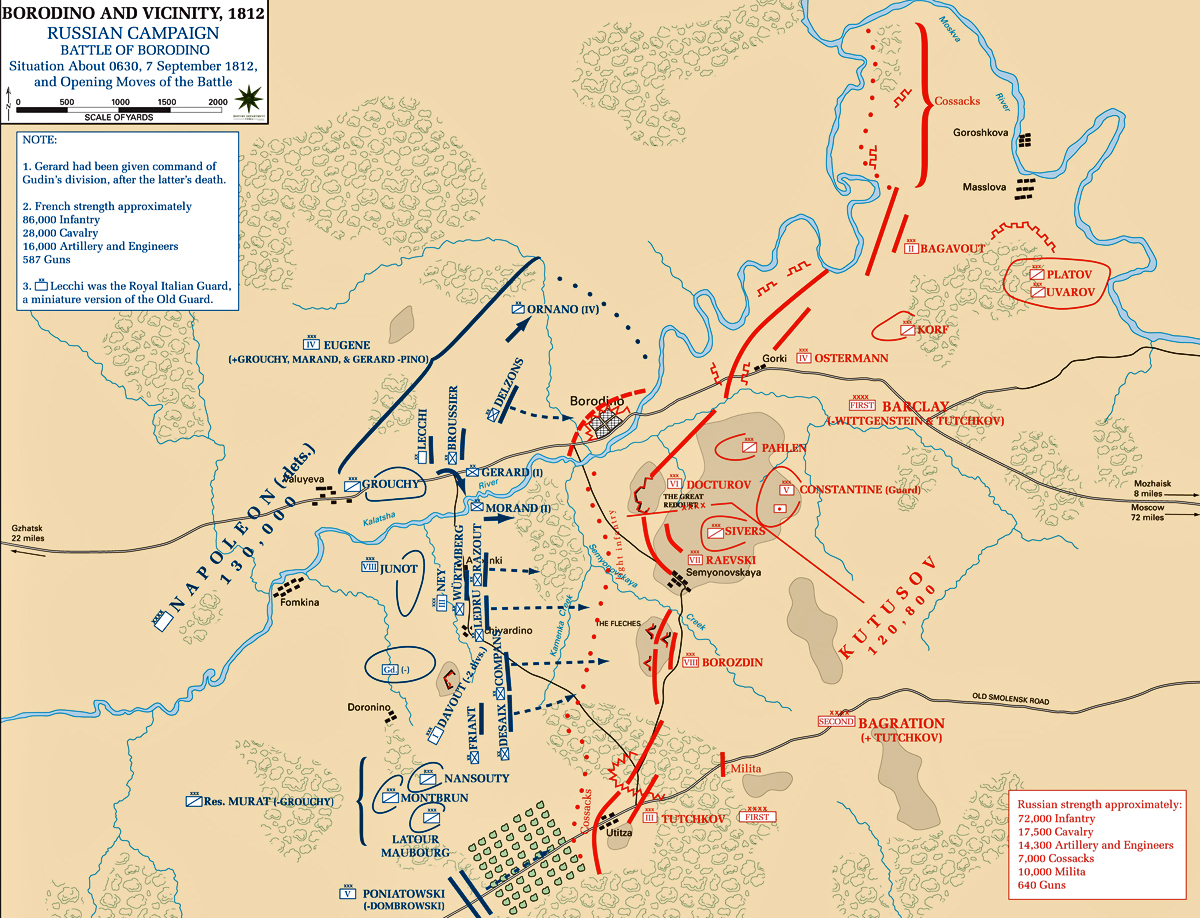
Borodino
museu panorama de Borodino em Moscovo.
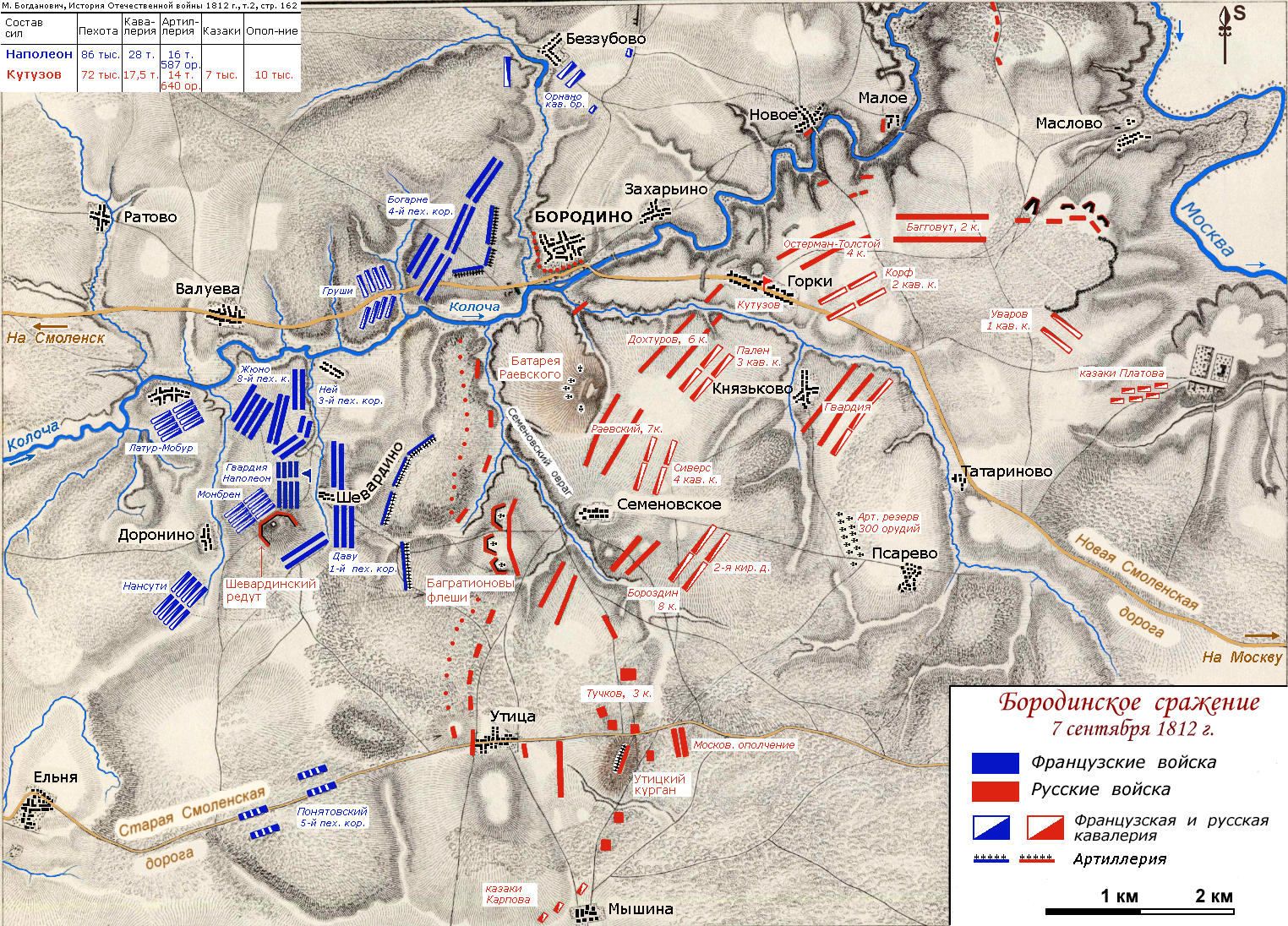
quando Pamuk diz que 'the novel' (se bem que o género seja tradicionalmente discutido neste caso porque existem digressões e factos históricos o que, julgo, é ainda mais um sinal de que este é um romance) é a forma mais maleável e que permite tudo nele incluir, essa afirmação é visível na descrição da batalha de Borodino. por muitas recriações de cinema, pintura, clips, esquemas de guerra, estratégia, etc. etc. duvido que alguma forma consiga dar o extremo 3d (ou 4d ou 5d, etc.) da narrativa de Tolstoi que nos faz viajar através do campo de batalha, cheirar a comida e os mortos, enterrar os pés na lama, ficar surdos com as explosões, sentir o que é ser atingido, olhar para a vista panorâmica, ver as cores e as luzes da neblina, sentir 'a alma da batalha'. stendhal pode ter ido longe em austerlitz no vermelho e o negro, mas este terceiro livro ultrapassa aquilo que se pode julgar ser possível fazer com palavras.
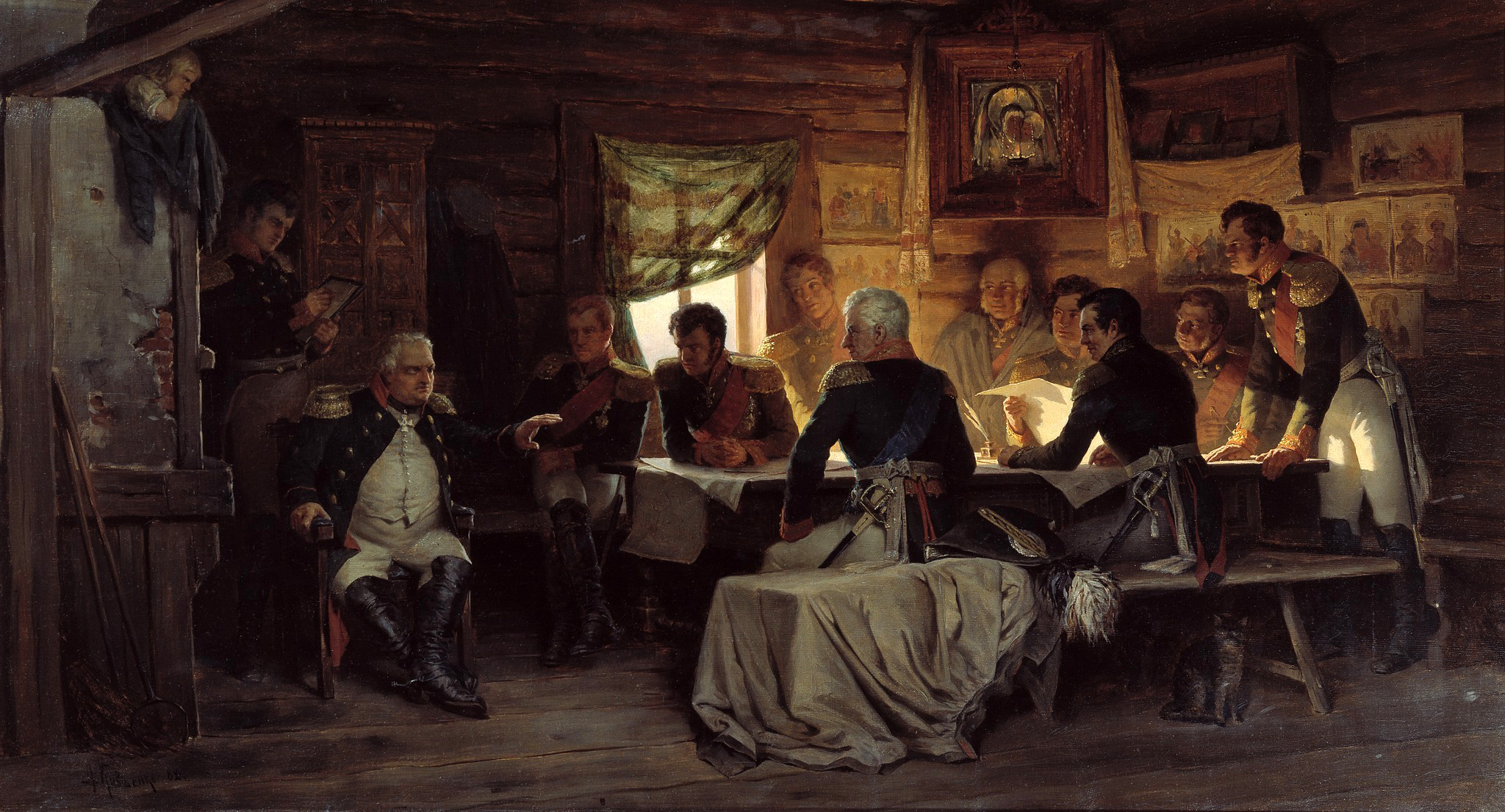
a última imagem é a do conselho de guerra em que Kutuzov decide a retirada e a entrega de Moscovo a Napoleão (ou a confirma pois, como afirma Tolstoi, essa retirada estava já decidida). baseia-se na narrativa de Guerra e Paz porque vemos a miúda na prataleira sobre a chaminé, entretida a ver os homens que lhe ocuparam a sala para uma das reuniões mais dramáticas da sua história. depois de termos assistido ao vivo à chacina de 50.000 russos, Tolstoi faz-nos assistir a esta reunião através dos olhos de uma menina com fome para jantar e que, nos seus pensamentos, chama 'avô' ao general. uma ekphrasis in reverse.
(sobre esta cena o sr. percy lubbock em 1921 diz que Tolstoi escolhe o ponto de vista ao calhas, ora é kutusov, ora napoleão, ora uma miúda. daquelas coisas que fazem rir. o mal é que há gente a ler o sr. lubbock. se não houvesse eu não o tinha encontrado)
Publicado por
Ana V.
às
7:13 PM
0
comentários
TAGS Tolstoi
Thursday, April 10, 2014
'make every sentence count', o conselho que dava
para a tarefa de escrever um conto, gigantesca para quem, como ele, não gosta de deixar detalhes de fora por mais mínimos que sejam. mas leio Tolstoi e tudo o que pode ser dito (em escrita criativa---) tem de ser desdito. na segunda parte do livro 3:
(...) and in the same way the innumerable people who took part in the war acted in accord with their personal characteristics, habits, circumstances, and aims. They were moved by fear or vanity, rejoiced or were indignant, reasoned, imagining that they knew what they were doing and did it of their own free will, but they all were involuntary tools of history, carrying on a work concealed from them but comprehensible to us. Such is the inevitable fate of men of action, and the higher they stand in the social hierarchy the less are they free.
The actors of 1812 have long since left the stage, their personal interests have vanished leaving no trace, and nothing remains of that time but its historic results.
[ou seja: não é só no conto que cada frase conta mas também numa obra de 1400 páginas]
e tal como vi escrito em espuma. mais uma vez embirro com a tradução de men of action para agentes práticos e but its historic results com erguem-se os resultados históricos ou algo parecido. a tradução acima é a do Gutenberg, a que tenho é melhor e a minha preferida, o que significa que vou comprar o livro de novo nesta tradução que estou a ler.
(ohmygosh, i can access jstor for free, i could have a fit. finally!!)
English Counter Russian, o que eu queria ler, mas afinal vou poder ler os artigos de ERDAĞ GÖKNAR sobre Pamuk.
Publicado por
Ana V.
às
10:01 AM
0
comentários
TAGS Tolstoi