
Showing posts with label Ahmet Ümit. Show all posts
Showing posts with label Ahmet Ümit. Show all posts
Monday, December 8, 2014

Tuesday, December 2, 2014
vou contar uma história (storytelling)
e depois deixá-la no ar. a história é uma das contadas em Patasana.
(e, finalmente, às 23h19, sentei-me)
No reino dos hititas, hoje parte da Anatólia, Síria e Líbano, o rei era todo poderoso, o representante dos deuses da terra. O rei vivia no seu opulento palácio rodeado de nobres, conselheiros e outros servidores do estado, com a sua mulher, a rainha, e as concubinas. Um dos mais importantes conselheiros reais era o escriba principal, responsável não só pela biblioteca do palácio mas também por escrever a história heróica do reino, os tratados, missivas diplomáticas e todos os documentos reais. O escriba é o homem mais educado do palácio e esta posição é passada de geração em geração, de pai para filho. Patasana era o herdeiro duma longa linhagem de escribas, mas a sua vida não começou auspiciosamente pois a sua mãe morreu durante o parto e o seu pai culpou-o pela morte da mulher. Patasana cresceu quase sem contacto com o pai que nele via aquele que lhe tinha roubado a sua amada. Órfão de mãe e quase de pai, foi o seu avô que tomou a seu cargo a educação do rapaz. O velho escriba era um poeta e sabia de cor todas as antigas lendas, todos os poemas, todas as épicas desde o início dos tempos. A sua paixão pelas obras escritas, essa foi a herança que recebeu do avô. Quanto Patasana atingiu a maioridade, o avô, já velho, decidiu que não queria morrer na corte e partiu sem avisar para morrer longe e entre estranhos. Nunca mais ninguém soube dele. Desde esse momento, o seu pai assumiu o posto de escriba principal e decidiu então chamar a si a tarefa da educação formal do filho. O pai de Patasana era muito diferente do seu avô: era o perfeito funcionário, perfeccionista e dedicado ao rei, metódico e objectivo e transmitiu ao filho todo o conhecimento prático necessário para exercer as funções de escriba e conselheiro. Com os conhecimentos de ambos, Patasana tinha tudo para vir a ser o melhor dos melhores.
Na capital dos hititas, as prostitutas sagradas abrem as portas do templo aos homens nobres da cidade um dia por ano e o amor que fazem é oferecido à deusa da fertilidade. Patasana, virgem e ansioso por uma mulher, decide entrar no templo nesse dia. De todas as mulheres, o seu olhar vai imediatamente para a jovem Ashmunikal e ambos se retiram para fazer amor. Na sua ansiedade e perante a beleza da rapariga, Patasana não consegue consumar o acto amoroso e retira-se desesperado de amores por Ashmunikal e desejoso de poder vir a provar a sua masculinidade. No dia seguinte volta ao templo com a ideia de pedir a mão da sua amada pois está enamorado e não pode viver sem Ashmunikal. Mas quando chega ao templo o sacerdote máximo, amigo da família, avisa-o: Ashmunikal está fora do seu alcance para sempre pois é, desde essa manhã, a nova concubina do rei. Patasana nunca mais deve mencionar sequer o seu nome nem o seu desejo sob perigo da ira do rei e morte quase certa. O sacerdote diz-lhe ainda que Ashmunikal estava já prometida ao rei, oferecida pelo seu próprio pai, mas que sendo virgem não tinha querido dar ao rei a sua inocência e tinha passado a noite no templo para que não fosse o rei o seu primeiro, mas outro. Essa tinha sido a sua forma de resistência. A revelação agravou a culpa e a tristeza do jovem escriba. Não só não tinha provado a sua masculinidade como tinha falhado à sua amada, não consumando o acto que a levara ao templo.
O tempo passou sem que Patasana conseguisse esquecer Ashmunikal, em quem pensava constantemente, apesar do terror de ser descoberto. Evitava entrar no palácio, evitava olhar para os edifícios onde sabia estar a sua amada. A certa altura, o seu pai foi enviado numa missão a um reino vizinho e Patasana teve de assumir o seu lugar no palácio e passar a ser, temporariamente, o escriba principal. Ter de entrar ao palácio diariamente enchia-o de medo, desejo e ansiedade. Um dia, o rei mandou chamá-lo à sua presença. Aterrorizado, Patasana dirige-se aos aposentos reais. Quando entrou, viu o rei recostado num divã e Ashmunikal sentada a seu lado. O escriba olhou imediatamente para o chão, aflito. O rei diz-lhe então que a sua nova concubina, Ashmunikal, a sua amada, é filha de um professor e foi educada com esmero, conhece os clássicos, a história e muitas lendas. Ele, o rei, não quer que a jovem se aborreça no palácio e que, por isso, atribui a Patasana uma nova função, ele será a partir de então responsável por dar à rapariga todas as histórias que ela deseje ler, deve contar-lhe as histórias e os poemas ele próprio, ser ele o seu contador de histórias. Ashmunikal irá ter com ele, já a partir do dia seguinte, à biblioteca do palácio e todas os seus desejos devem ser satisfeitos...
aqui deixo a história, uma história do tempo das histórias.
Monday, December 1, 2014
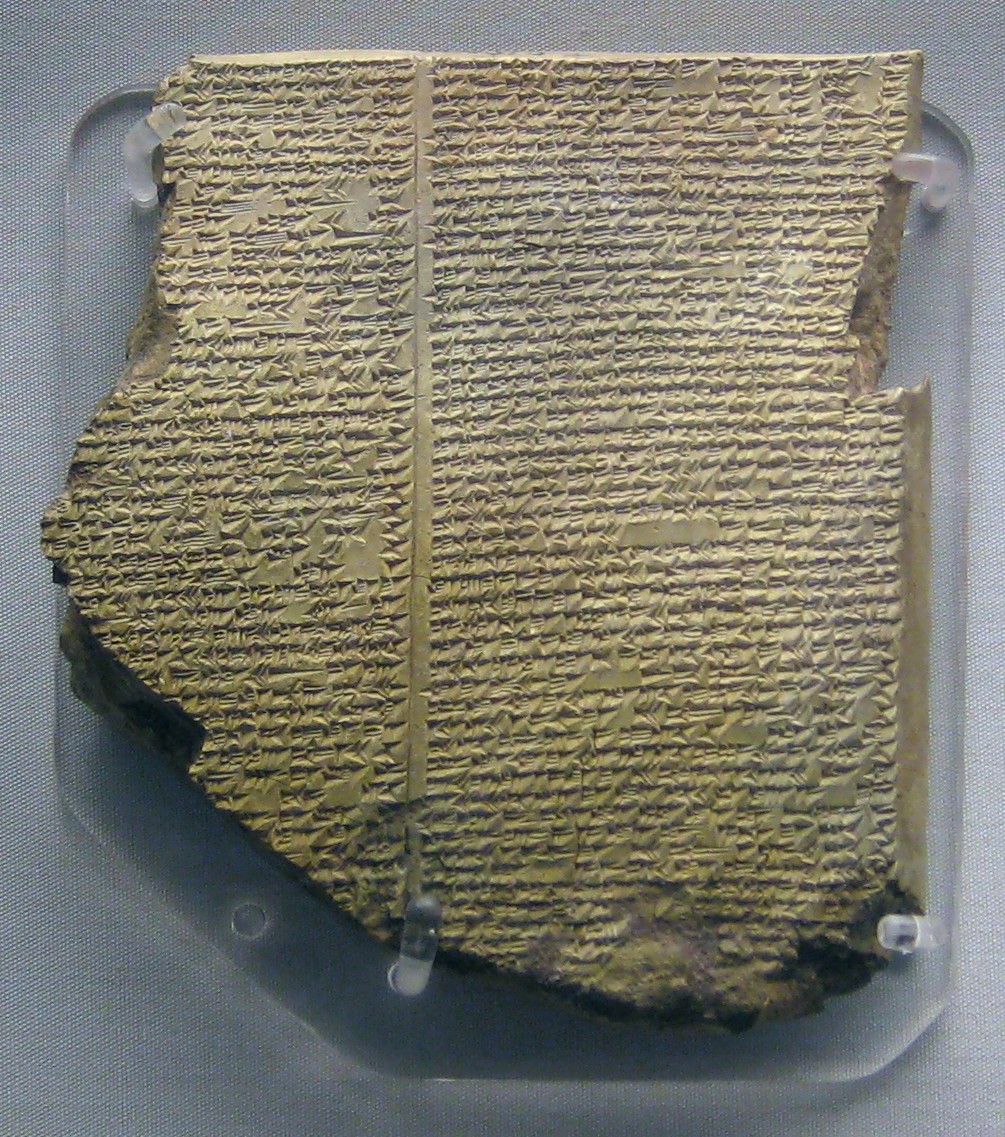
o dilúvio, outros deuses (Enlil não conseguia dormir com o barulho)
uma história da Babilónia, na épica de Gilgamesh.
"You know the city Shurrupak, it stands on the banks of Euphrates? That city grew old and the gods that were in it were old. There was Anu, Lord of the firmament, their father, and warrior Enlil their counsellor, Ninurta the helper, and Ennugi watcher over canals; and with them also was Ea. In those days the world teemed, the people multiplied, the world bellowed like a wild bull, and the great god was aroused by the clamour. Enlil heard the clamour and he said to the gods in council, "The uproar of mankind is intolerable and sleep is no longer possible by reason of the babel." So the gods agreed to exterminate mankind. Enlil did this, but Ea because of his oath warned me in a dream. He whispered their words to my house of reeds, "Reed-house, reed-house! Wall, O wall, hearken reed-house, wall reflect; O man of Shurrupak, son of Ubara-Tutu; tear down your house and build a boat, abandon possessions and look for life, despise worldly goods and save your soul alive. Tear down your house, I say, and build a boat. These are the measurements of the barque as you shall build her: let her beam equal her length, let her deck be roofed like the vault that covers the abyss; then take up into the boat the seed of all living creatures."
'When I had understood I said to my Lord, "Behold, what you have commanded I will honour and perform, but how shall I answer the people, the city, the elders?" Then Ea opened his mouth and said to me, his servant, "Tell them this: I have learnt that Enlil is wrathful against me, I dare no longer walk in his land nor live in his city; I will go down to the Gulf to dwell with Ea my Lord. But on you he will rain down abundance, rare fish and shy wild-fowl, a rich harvest-tide. In the evening the rider of the storm will bring you wheat in torrents."
'In the first light of dawn all my household gathered round me, the children brought pitch and the men whatever was necessary. On the fifth day I laid the keel and the ribs, then I made fast the planking. The ground-space was one acre, each side of the deck measured one hundred and twenty cubits, making a square. I built six decks below, seven in all, I divided them into nine sections with bulkheads between. I drove in wedges where needed, I saw to the punt-poles, and laid in supplies. The carriers brought oil in baskets, I poured pitch into the furnace and asphalt and oil; more oil was consumed in caulking, and more again the master of the boat took into his stores. I slaughtered bullocks for the people and every day I killed sheep. I gave the shipwrights wine to drink as though it were river water, raw wine and red wine and oil and white wine. There was feasting then as there is at the time of the New Year's festival; I myself anointed my head. On the seventh day the boat was complete.
'Then was the launching full of difficulty; there was shifting of ballast above and below till two thirds was submerged. I loaded into her all that I had of gold and of living things, my family, my kin, the beast of the field both wild and tame, and all the craftsmen. I sent them on board, for the time that Shamash had ordained was already fulfilled when he said, "In the evening, when the rider of the storm sends down the destroying rain, enter the boat and batten her down." The time was fulfilled, the evening came, the rider of the storm sent down the rain. I looked out at the weather and it was terrible, so I too boarded the boat and battened her down. All was now complete, the battening and the caulking; so I handed the tiller to Puzur-Amurri the steersman, with the navigation and the care of the whole boat.
With the first light of dawn a black cloud came from the horizon; it thundered within where Adad, Lord of the storm was riding. In front over hill and plain Shullat and Hanish, heralds of the storm, led on. Then the gods of the abyss rose up; Nergal pulled out the dams of the nether waters, Ninurta the war-Lord threw down the dykes, and the seven judges of hell, the Annunaki, raised their torches, lighting the land with their livid flame. A stupor of despair went up to heaven when the god of the storm turned daylight to darkness, when he smashed the land like a cup. One whole day the tempest raged, gathering fury as it went, it poured over the people like the tide of battle; a man could not see his brother nor the people be seen from heaven. Even the gods were terrified at the flood, they fled to the highest heaven, the firmament of Anu; they crouched against the walls, cowering like curs. Then Ishtar the sweet-voiced Queen of Heaven cried out like a woman in travail: "Alas the days of old are turned to dust because I commanded evil; why did I command this evil in the council of all the gods? I commanded wars to destroy the people, but are they not my people, for I brought them forth? Now like the spawn of fish they float in the ocean." The great gods of heaven and of hell wept, they covered their mouths.
'For six days and six nights the winds blew, torrent and tempest and flood overwhelmed the world, tempest and flood raged together like warring hosts. When the seventh day dawned the storm from the south subsided, the sea grew calm, the flood was stilled; I looked at the face of the world and there was silence, all mankind was turned to clay. The surface of the sea stretched as flat as a roof-top; I opened a hatch and the light fell on my face. Then I bowed low, I sat down and I wept, the tears streamed down my face, for on every side was the waste of water. I looked for land in vain, but fourteen leagues distant there appeared a mountain, and there the boat grounded; on the mountain of Nisir the boat held fast, she held fast and did not budge. One day she held, and a second day on the mountain of Nisir she held fast and did not budge. A third day, and a fourth day she held fast on the mountain and did not budge; a fifth day and a sixth day she held fast on the mountain. When the seventh day dawned I loosed a dove and let her go. She flew away, but finding no resting-place she returned. Then I loosed a swallow, and she flew away but finding no resting-place she returned. I loosed a raven, she saw that the waters had retreated, she ate, she flew around, she cawed, and she did not come back. Then I threw everything open to the four winds, I made a sacrifice and poured out a libation on the mountain top. Seven and again seven cauldrons I set up on their stands, I heaped up wood and cane and cedar and myrtle. When the gods smelled the sweet savour, they gathered like flies over the sacrifice. Then, at last, Ishtar also came, she lifted her necklace with the jewels of heaven that once Anu had made to please her. "O you gods here present, by the lapis lazuli round my neck I shall remember these days as I remember the jewels of my throat; these last days I shall not forget. Let all the gods gather round the sacrifice, except Enlil. He shall not approach this offering, for without reflection he brought the flood; he consigned my people to destruction."
'When Enlil had come, when he saw the boat, he was wroth and swelled with anger at the gods, the host of heaven, "Has any of these mortals escaped? Not one was to have survived the destruction." Then the god of the wells and canals Ninurta opened his mouth and said to the warrior Enlil, "Who is there of the gods that can devise without Ea? It is Ea alone who knows all things." Then Ea opened his mouth and spoke to warrior Enlil, "Wisest of gods, hero Enlil, how could you so senselessly bring down the flood?
Lay upon the sinner his sin,
Lay upon the transgressor his transgression,
Punish him a little when he breaks loose,
Do not drive him too hard or he perishes;
Would that a lion had ravaged mankind
Rather than the flood,
Would that a wolf had ravaged mankind
Rather than the flood,
Would that famine had wasted the world
Rather than the flood,
Would that pestilence had wasted mankind
Rather than the flood.
It was not I that revealed the secret of the gods; the wise man learned it in a dream. Now take your counsel what shall be done with him."
'Then Enlil went up into the boat, he took me by the hand and my wife and made us enter the boat and kneel down on either side, he standing between us. He touched our foreheads to bless us saying, "In time past Utnapishtim was a mortal man; henceforth he and his wife shall live in the distance at the mouth of the rivers." Thus it was that the gods took me and placed me here to live in the distance, at the mouth of the rivers.' "
daqui.
- -
a ideia de com as tábuas da casa construir um barco e salvar-se é bem uma das mais poéticas que já encontrei. também a encontrei viva num louco de quem sou muito amiga.
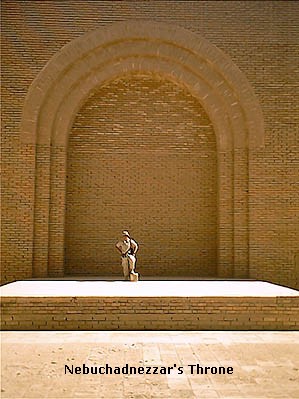
jardins suspensos (2)
a propósito:
German Media Corroborates $36M Islamic State Antiquities Trafficking.
selvajaria de uns e de outros.
"While verification specifically of the antiquities trafficking data is still absolutely necessary, the verification of these other data, from the same set, lends credibility to the claim that the Islamic State has made thirty six million dollars from antiquities trafficking. The question then becomes, once more, whether the IS is trafficking literally unbelievable quantities of material, or whether IS agents are late middlemen who operate close to the market end of the conflict antiquities trade and the $36m is a larger proportion of the final sale price (or whether there was a misunderstanding and more mundane criminal activities form a larger proportion of its income).
Regardless of the answer, profits from the sales of conflict antiquities are clearly partly underwriting Islamic State operations, and thus partly underwriting repression, war and genocide. And regardless of the precise numbers, that reality reinforces the need for cultural property protection, antiquities trade regulation and powerful policing."
Sunday, November 30, 2014
jardins suspensos , al Hillah


Al-Hillah fica na margem do Eufrates, frente à antiga Babilónia. durante o império otomano, foram estes que construíram a primeira escola nesta cidade. Hillah é uma cidade iraquiana, conhecida antes da guerra por ser uma cidade da cultura (capital da cultura iraquiana em 2008). foi em parte por cima das ruínas da antiga Babilónia que Saddam construiu um palácio. aqui perto foi descoberta uma vala comum das vítimas do ditador. também foi no palácio de Saddam, sobre as ruínas antigas, que a 1ª divisão dos marines se estabeleceu, causando ainda mais danos nos restos de uma das sete maravilhas.



e a vista contrária:

todos os males da antiga cidade num relatório da Unesco, de 2009.
uma exposição virtual no site do Louvre.
"Even after Sumerian had become a dead language, it was long used for certain legal, religious, and royal documents. Sumerian literature was thought to be the only one worth learning and writing. Nevertheless, during the first third of the second millennium BC Sumerian was steadily abandoned as texts were written in Akkadian, the common language of the day. Students, however, continued to study many Sumerian works in which Gilgamesh was the hero.
Among the Akkadian poetry that has survived, many poems concern the gods in one way or another—religious texts or adventure tales of the gods recounting their love affairs, internal conflicts, and relationships with humankind. The longest and richest mythological text is the “Myth of Atrahasis” (the “All-Wise”), which tells the tale of the creation of humans: the gods had originally been obliged to toil, but they went on strike, and humans were created to replace them as workers at their service. But the noise of humans bothered the great god Enlil, who sent the Flood to eliminate them (this part of the tale also is found on the eleventh tablet of the epic of Gilgamesh and serves as the source of the account in Genesis)."
'só a morte o derrotou', a morte de Alexandre Magno no palácio de Nebuchadnezzar II, na Babilónia.

Friday, November 28, 2014
dawn
"In these parts the morning coolness lasts no longer than breakfast time. After the frosty chill of the night that makes one shiver with to the core, dawn approaches, turning the sky from black to ash, and from ash to orange. And as soon as the sun shows it nose at the peak of dawn, the brief coolness comes to an end and a hellish heat suddenly takes its place. The gardens over which the walnut, plum, apricot and mulberry trees cast their shadows; the fields of cotton and corn, their borders marked by large stones; the villages with their mud brick houses; the sturdy fortress walls that continue to stand the test of time; and the ancient city - with its ruined temples, reliefs, and countless secrets - which served as the Hitites' metropolis for hundreds of years begin to burn furiously."
Ahmet Ümit em Patasana.

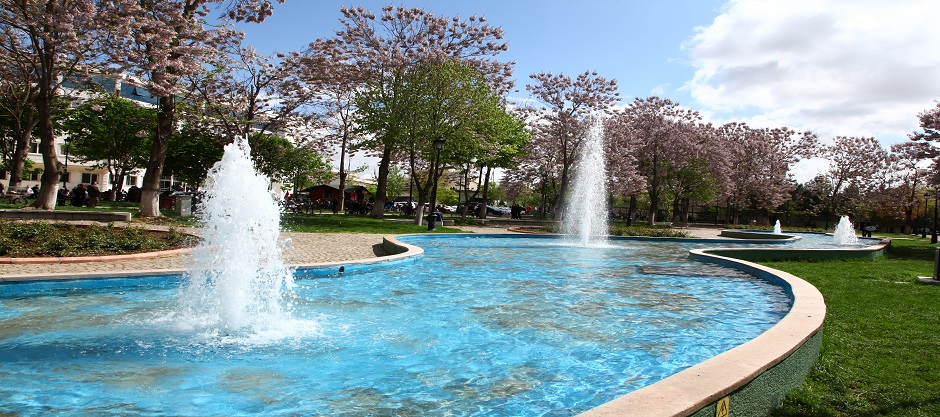

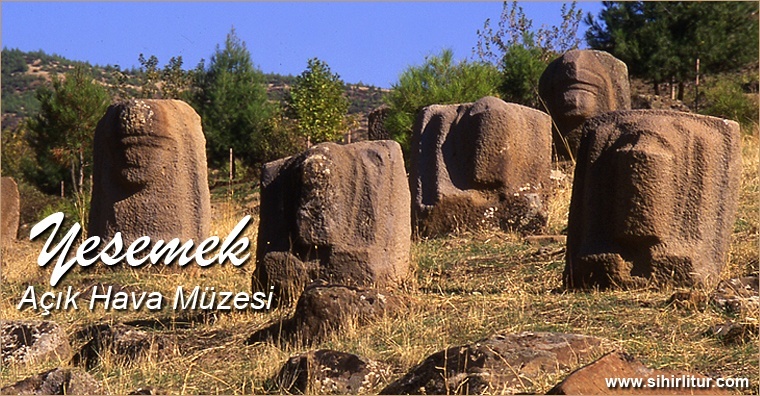

Eufrates perto de Gaziantep, daqui, um dia de visita.
Wednesday, November 26, 2014
Tuesday, November 25, 2014
obrigada, a.
ou porque aquele país nunca sairá dos meus sonhos.
um pouco ao encontro do livro que ando a devorar, Patasana, onde a "acção policial" se desenrola numa escavação perto de Gaziantep. (que bom Ühmit, um homem antes de autor na mesma prateleira de homens como Sepúlveda e Mia Couto, embora não tanto na escrita, dentro da ideia ainda viva da literatura mudando para melhor o mundo).
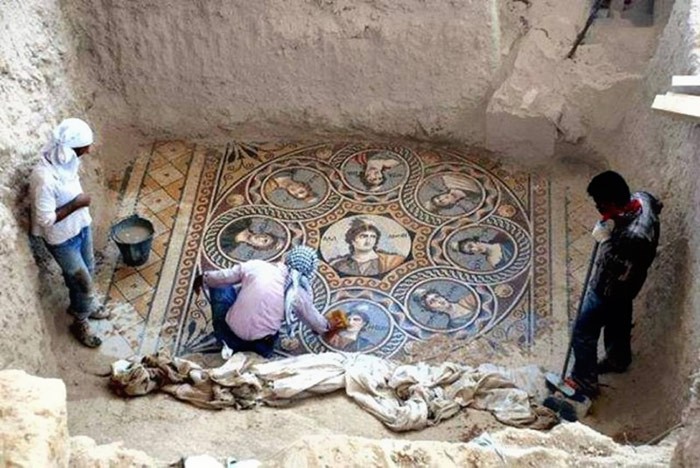
Seleucia, fundada 300 anos antes de Cristo por um dos generais de Alexandre o Grande (não exactamente pelos "gregos"). a escavação hitita que leio agora tem 1600 anos antes de Cristo. cada vez que erdogan constrói uma ponte, autoestrada ou barragem ou até o metro de Istanbul, as camadas de vidas que desenterra são a própria ilustração da existência humana. absolutamente fascinante.

de certo modo, nascemos deste rio, como Náiades saídas da água. (para ter uma ideia temporal, os fenícios - sírios e libaneses - fundaram Lisboa 1200 anos antes de Cristo como um entreposto marítimo. porque a água desta península é salgada.)
quanto a Seleucia-Zeugma, outra cidade do Eufrates.

(e cá como lá mas lá para muito pior: a política de construção de barragens como forma de poder, de escravidão, de manipulação, de soberania.)
Friday, November 21, 2014
coisas que não têm nenhuma importância:
o relato de Gilgamesh ser a primeira obra literária da humanidade, os primeiros poemas são do século dezoito antes de cristo. Gilgamesh foi o rei e senhor da cidade de Uruk, considerada também ela a primeira cidade jamais construída, no quarto milénio antes de cristo. Gilgamesh governou-a no século vigésimo sétimo antes de cristo. não importa muito como posso escrever este tempo porque a noção de abismo colapsa, não tenho visão para esta queda.
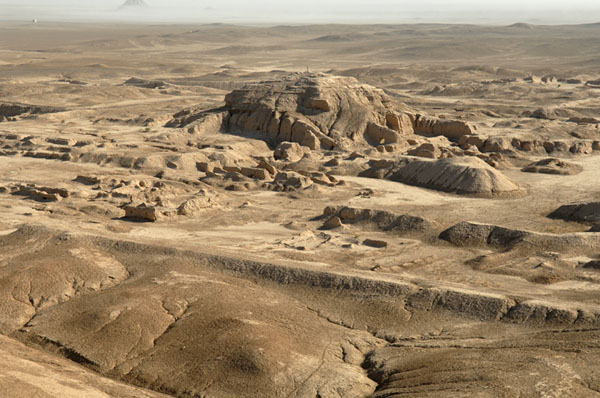
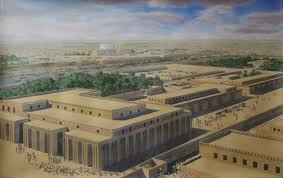
Uruk é no Iraque.
Wednesday, November 19, 2014
time

From a tablet of Assyrian king Sennacherib.
na abertura de Patasana de Ahmet Ümit.
--
Sennacherib, king of Assyria (704-681 BC)
Sennacherib, whose name (Sin-ahhe-criba) means 'the god Sin has replaced the brothers', came to the throne of Assyria in 704 BC. The new king shifted the capital from Dur-Sharrukin (modern Khorsabad) to the ancient city of Nineveh, which he rebuilt in unparalleled splendour. This great palace, which Sennacherib describes in his inscriptions as 'without rival', is known today as the South-West Palace. Many rooms were decorated with alabaster wall reliefs.
Sennacherib was mainly preoccupied with trying to resolve the political situation in Babylonia, a region that had only recently been retaken by his father Sargon II. Sennacherib's main opponent was a local leader called Marduk-apla-iddina II (the biblical Merodach-baladan) who was supported by Elam. From 703-689 BC Sennacherib fought to control south Mesopotamia until finally, after a fifteen-month siege, the city of Babylon was captured and sacked. In 701 BC Sennacherib sacked the city of Lachish in Judah but failed to take the capital Jerusalem. His other campaigns in the southern Levant, Anatolia, and in the Syrian desert against the Arabs, were concerned with frontier security. In 681 BC Sennacherib was assassinated by two of his sons while he prayed in a temple. He was succeeded by another son, Esarhaddon.
daqui.


Nineveh a cidade com o primeiro aqueduto da história.

real spoils of our time: from Bagdad to Chicago, Sennacherib prism.
"Iraq’s museums, with special focus on Baghdad and Mosul, are repositories for countless irreplaceable artifacts that record Iraq’s unique legacy. Iraq Heritage is appalled by the great suffering and loss of life in the current fighting in Iraq and expresses great concern about the safety of Iraq’s invaluable cultural and historical heritage. Our mission is to work to protect the world’s cultural heritage threatened by armed conflict, natural and human-made
The ruins of the ancient Assyrian city of Nineveh lie in the northern suburbs of the embattled city of Mosul. To the south of Mosul are the ruins of Hatra, a World Heritage site. These sites are under great threat as we can confirm government control has been lost in these areas.
In 2010, the site was put on a list of endangered cultural heritage sites by the Global Heritage Fund due to looting and insufficient government management. With the falling of Saddam and his regime in 2003 Iraq Suffered looters who carried off thousands of priceless cuneiform tablets, sculptures, bronze tablets, books and other items from both the National Museum in Baghdad and Mosul’s Archaeological Museum.
According to the Global Heritage Fund’s 2010 report, “Saving Our Vanishing Heritage,” the worldwide trade in stolen antiquities is estimated to be in the billions of dollars, but local thieves receive only a small fraction of the stolen artifact’s worth. Most often, the stolen items end up in collections in Europe, North America and Japan. In 2008, Iraqi Security Forces raided a house in Basra and recovered 228 ancient Mesopotamian artifacts that had been plundered from archaeological sites and museums throughout the country. They had been operating on a tip that important Iraqi monuments were going to be smuggled from the country and enter the black market in order to fund insurgent groups. The objects have since been returned safely to the Iraqi National Museum. Despite these small successes, thousands of Iraqi cultural artifacts are still missing. Many of them can be viewed on Interpol’s database of stolen works of art, which tracks art and cultural heritage thefts worldwide.
Iraq Heritage is extremely maddened at the looting that threatens the ruins of our beloved Hatra and many other sites. The actions of looters in Iraq during the war forced the United Nations to include a provision to UN Resolution 1483 (2003) calling on all member states to facilitate the return of Iraqi cultural artifacts that were illegally removed. With the loss of government control in the region by the ISIS insurgents, Iraq’s cultural heritage sites in northern Iraq are officially threatened again."
daqui.

- -
An airstrike in Iraq's Ninawa province killed 20 "Islamic State of Iraq and the Levant" (ISIL) gunmen (...)
Sennacherib, king of Assyria (704-681 BC)
Sennacherib, whose name (Sin-ahhe-criba) means 'the god Sin has replaced the brothers', came to the throne of Assyria in 704 BC. The new king shifted the capital from Dur-Sharrukin (modern Khorsabad) to the ancient city of Nineveh, which he rebuilt in unparalleled splendour. This great palace, which Sennacherib describes in his inscriptions as 'without rival', is known today as the South-West Palace. Many rooms were decorated with alabaster wall reliefs.
Sennacherib was mainly preoccupied with trying to resolve the political situation in Babylonia, a region that had only recently been retaken by his father Sargon II. Sennacherib's main opponent was a local leader called Marduk-apla-iddina II (the biblical Merodach-baladan) who was supported by Elam. From 703-689 BC Sennacherib fought to control south Mesopotamia until finally, after a fifteen-month siege, the city of Babylon was captured and sacked. In 701 BC Sennacherib sacked the city of Lachish in Judah but failed to take the capital Jerusalem. His other campaigns in the southern Levant, Anatolia, and in the Syrian desert against the Arabs, were concerned with frontier security. In 681 BC Sennacherib was assassinated by two of his sons while he prayed in a temple. He was succeeded by another son, Esarhaddon.
daqui.


.jpg)
Nineveh a cidade com o primeiro aqueduto da história.

real spoils of our time: from Bagdad to Chicago, Sennacherib prism.
"Iraq’s museums, with special focus on Baghdad and Mosul, are repositories for countless irreplaceable artifacts that record Iraq’s unique legacy. Iraq Heritage is appalled by the great suffering and loss of life in the current fighting in Iraq and expresses great concern about the safety of Iraq’s invaluable cultural and historical heritage. Our mission is to work to protect the world’s cultural heritage threatened by armed conflict, natural and human-made
The ruins of the ancient Assyrian city of Nineveh lie in the northern suburbs of the embattled city of Mosul. To the south of Mosul are the ruins of Hatra, a World Heritage site. These sites are under great threat as we can confirm government control has been lost in these areas.
In 2010, the site was put on a list of endangered cultural heritage sites by the Global Heritage Fund due to looting and insufficient government management. With the falling of Saddam and his regime in 2003 Iraq Suffered looters who carried off thousands of priceless cuneiform tablets, sculptures, bronze tablets, books and other items from both the National Museum in Baghdad and Mosul’s Archaeological Museum.
According to the Global Heritage Fund’s 2010 report, “Saving Our Vanishing Heritage,” the worldwide trade in stolen antiquities is estimated to be in the billions of dollars, but local thieves receive only a small fraction of the stolen artifact’s worth. Most often, the stolen items end up in collections in Europe, North America and Japan. In 2008, Iraqi Security Forces raided a house in Basra and recovered 228 ancient Mesopotamian artifacts that had been plundered from archaeological sites and museums throughout the country. They had been operating on a tip that important Iraqi monuments were going to be smuggled from the country and enter the black market in order to fund insurgent groups. The objects have since been returned safely to the Iraqi National Museum. Despite these small successes, thousands of Iraqi cultural artifacts are still missing. Many of them can be viewed on Interpol’s database of stolen works of art, which tracks art and cultural heritage thefts worldwide.
Iraq Heritage is extremely maddened at the looting that threatens the ruins of our beloved Hatra and many other sites. The actions of looters in Iraq during the war forced the United Nations to include a provision to UN Resolution 1483 (2003) calling on all member states to facilitate the return of Iraqi cultural artifacts that were illegally removed. With the loss of government control in the region by the ISIS insurgents, Iraq’s cultural heritage sites in northern Iraq are officially threatened again."
daqui.

- -
An airstrike in Iraq's Ninawa province killed 20 "Islamic State of Iraq and the Levant" (ISIL) gunmen (...)
Thursday, August 21, 2014
Haliç ou golden
"I proceeded parallel to the Golden Horn, which under the last rays of sunlight had become a golden pool. Just seeing this view was enough to cheer a person up. But like a pleasant dream, the view was gone in the blink of an eye (...)"
Ahmet Ümid em When Pera Trees Whisper
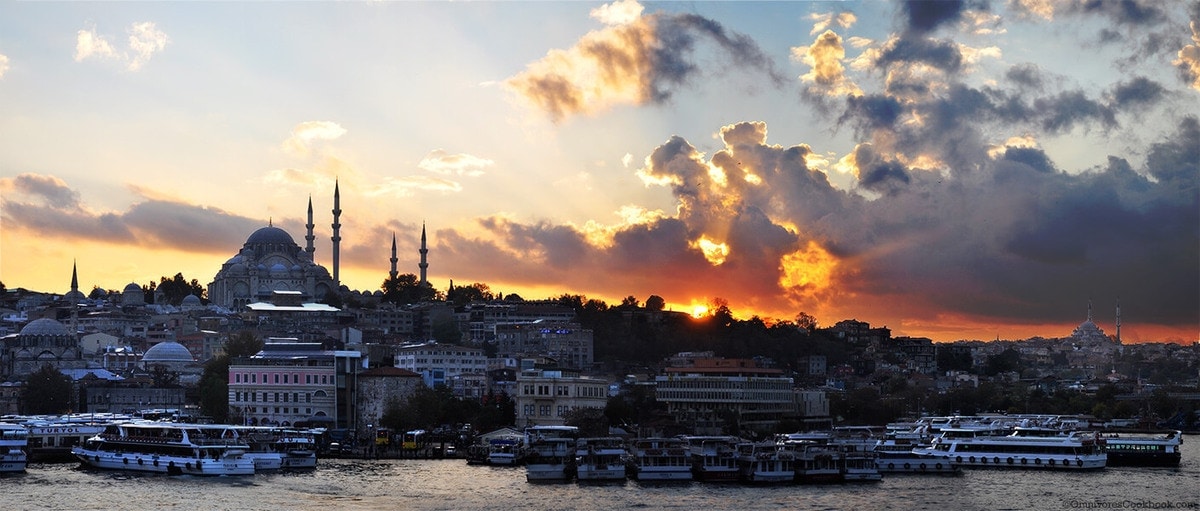
Maggie's awesome pics of Istanbul. (plus food, a bonus)
para além dos stalkers de serviço, a altura das férias é fértil em hackers do outro lado do pond. pensei em bani-los um a um mas do que gostaria mais do que tudo era bloquear o país todo de uma vez. o problema é o blogger pertencer-lhes, o google, o correio, as fotos, tudo e tudo.
porque gosto tanto de Ahmet Ümit: para além de escrever policiais misteriosos, de ter um herói humano e sábio, escreve a história da sua cidade, do seu país e defende as suas causas. um Peixoto se ele escrevesse policiais. que me lembra o escritor de Minneapolis (ah a memória) que se lê para diminuir a distância e estar-se lá.
Monday, November 25, 2013
'the Sufi is happy with less'
"O generous and noble man! In the spirit's imagination, (the
distance) to Baghdad and Samarkand (is only) half a step. "
do Masnavi de Rumi que pode ser todo lido no excelente link. vejo o sufismo no ponto em que se encontram a Ásia e as religiões do livro e acho interessante observar essa intersecção. também interessante é comparar este misticismo sem corpo ao misticismo ibérico, todo ele sangue e carne.
paul moore
I love Paul Moore's photos, images between dreamscape and reality, a golden light filtering through darkness. here is the amazing Durrow Church whose tombstones remind me of the turbaned tombstones of Konya. Moore's images make me wish the whole world looked like his visions.

Sunday, November 24, 2013
master alchemist, ou um bom exemplo de Rumi
THE ALCHEMY OF LOVE
You come to us
from another world
From beyond the stars
and void of space.
Transcendent, Pure,
Of unimaginable beauty,
Bringing with you
the essence of love
You transform all
who are touched by you.
Mundane concerns,
troubles, and sorrows
dissolve in your presence,
Bringing joy
to ruler and ruled
To peasant and king
You bewilder us
with your grace.
All evils
transform into
goodness.
You are the master alchemist.
You light the fire of love
in earth and sky
in heart and soul
of every being.
Through your love
existence and nonexistence merge.
All opposites unite.
All that is profane
becomes sacred again.
Thursday, November 21, 2013


Tuesday, November 19, 2013
Golshifteh Farahani em Sange Saboor, de Atiq Rahimi
em Galinha com Ameixas de que não gostei, afinal nem Persepolis tinha visto. mas Golshifteh é tão bonita. aqui, em The Patience Stone. em 2013 Farahani vai ser Kimia.
foi preciso, aparentemente, passar por Satrapi para chegar a Atiq Rahimi, vencedor de um Goncourt e realizador de The Patience Stone. sobre este filme e a criação de Farahani fiquei sem palavras: poderosas imagens, avassaladora história de uma mulher, uma qualquer, a viver no Afeganistão. a crítica anglo-saxónica pode até ser bem intencionada mas leio sempre 'um qualquer país do médio oriente'. Afeganistão é médio oriente? não sei. as imagens são claras: a mulher vive no Afeganistão e nós, que a olhamos, vivemos com ela. inesquecível e revelador, o choque de ter conhecido esta mulher e de ter estado nesta casa onde vive é ainda demasiado recente para que eu possa dizer alguma coisa sobre ela.
em st. malo: should literature be political?
('Samuel Beckett was my model')


('it is renewing the self through that contact')
Monday, November 11, 2013
mutrip ensemble
copiado do copiado, mas não faz mal:
The Sema
The flutist , drummer , chanters and choir are developed into an ensemble called “Mutrip” . The mutrip takes its place in front the front part of the Sema chamber. After the mutrip , the dervishes have taken their places and the Naat-ı Sherif is recited by the chanter. This work whose musical notation was composed by Itri is in praise of the prophet mohammed.After Naat-ı Sherif comes the sound of the drum , representing the Divine command , “Be” After this is a flute improvisation. The flute represents the soul given to universe. When the improvisation finishes the dervishes bow to each other in front of the sheepskin post in acknowledgement of the center of Divine Truth within the heart of each.
The semazens ( whirling dervish) remove their cloaks and begin turning. This represents the birth of humanity.The semazen wears a special costume indicating the death of ego . The sikke is a slender earth-coloured headdress which sembolizes tombstone of the ego. The hırka is a long black cloak representing its tomb. The tennure is a full-skirted long gown depicting the shroud. As the dervishes enter the circle their arms are crossed across their chest . In this position they resemble a “one” , signifying the Unity of God. During the sema their arms are extended with the right hand opened upward , the left hand turned downward. The meaning of this is: From God we receive , to man we give ; we keep nothing to ourselves.
Just as the moon and planets revolve both around their own axes and also around the sun , the semazens revolve while circling the chamber.The sema is a means for humans to reach Divine Reality ! It is an intoxication of the soul ! During the first cycle of the Sema the dervishes are viewing all the worlds. In this way they reach the grandeur and majesty of God. The lovers are freed from doubt and testify their faith in the Unity of God. In the second cycle their whole existence is dissolved within this Divine Unity. During the third cycle the lovers cleanse themselves and reach the level of maturity. In the fourth cycle they arrive at the junction of non-existence within Divine Existence. With the lone sound of the flute the ceremony ends with a reading from the Koran. And thus the journey ends. But in truth this was only one phase in the spiritual journey which continues every minute of the lives of the followers of the Exalted Mevlana , of all who take the path of love , of all who seek the Divine within themselves.
In the words of Mevlana: If you entered the Sema you will leave both worlds: the worl of the Sema is outside both worlds.
- -
best site for sema: semazen.net
som de uma cerimónia.
mais melodias para o nei.
nei flute.
uma explicação um pouco diferente em Ümit que espero vir a transcrever para aqui.
como na união soviética, os anos de Atatürk reprimiram as ordens religiosas, a repressão foi "necessária" para separar o estado do poder religioso. os sufis foram um dos grupos que desceram à clandestinidade. a sua história é longa mas alguns factores ajudam a que sejam apreciados no ocidente: são pacifistas e monges, algo com que nos podemos identificar depois dos anos sessenta. as 'quotes' sufi e de Rumi circulam em massa nesses grupos new age de meditações e etc.
o simbolismo do movimento (ah jorge) é interessante e atraente na cerimónia dos semazen - a música não é música mas oração e um percurso simbólico, algo como uma missa: vários passos para chegar ao final, a desejada comunicação com a divindade. o caminho é feito de purificação. o fato dos dervishes (english word now) é um manto negro que simboliza uma sepultura, a morte. o chapéu simboliza a pedra tumular. no início do movimento, cada dervishe despe o seu manto negro e fica, então, apenas com o fato branco, o que simboliza o renascer depois da morte e o caminho ao encontro da divindade, sem nada do mundo, despido e puro. o movimento circular simboliza esse caminho, uma mão virada para o céu para receber o amor divino, outra para a terra, para o espalhar pelos humanos.
há mulheres nestes grupos, pelo menos em Istanbul. não sei se em Konya isso acontece, espero vir a saber no decurso da história (The Dervish Gate). Ümit é um escritor-professor, o que não me admira tendo em conta o seu passado comunista: escreve não para si, não pela sua necessidade mas para ensinar. Infelizmente apenas dois dos seus livros estão traduzidos para inglês, creio que a sua escrita seria útil no panorama de ignorância de uns e de outros. o j. diz que vivemos em vários mundos: infelizmente não concordo nada, o mundo é um só apesar de o desejarmos fatiar desde que os gregos eram gregos. as fatias contribuem em muito para a ignorância que se tem dos outros, de tal modo que os vemos noutro mundo, outro universo, outra galáxia, seja onde for desde que seja longe. assim nos protegemos e apagamos responsabilidades e assim, ao mesmo tempo, nos afirmamos. claro que tudo isto não passa de uma fugaz percepção minha neste preciso momento. amanhã já cá não está senão neste vestígio digital.
Saturday, November 9, 2013
terceira nota para a Trienal
"... from the steppe a city rose up in front of me", o nome de um dos capítulos de The Dervish Gate, Ahmet Ümit.
Subscribe to:
Posts (Atom)


