light gazing, ışığa bakmak

Showing posts with label Amin Maalouf. Show all posts

Wednesday, August 5, 2015

livros bons e livros maus

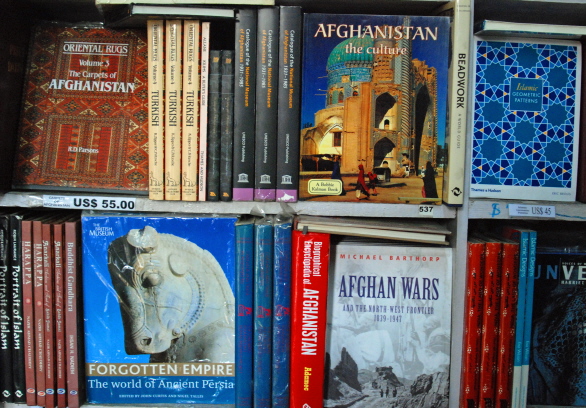
quase a acabar o livreiro de Kabul pelo meio das sessões de outras coisas e é um dos piores livros que li em toda a minha vida. continuo porque é rápido de ler e porque tenho curiosidade sobre a vida em Kabul. de resto, a escrita é péssima, não há história, texto jornalístico pseudo informativo, personagens também não, tu se resume à opinião da pessoa que escreve, uma mulher com quem tenho mais em comum do que "o que nos separa", ocidental, independente, etc. etc.  Nada como um livro muito mau para servir de aviso ao que podemos ser, muito medíocres e a olhar para a moldura sem ver o quadro ou qualquer outra comparação ou alegoria do género, estar no meio das árvores e não ver a floresta; nesse género.

em junho tive uma família de piscos instalada na casa que as andorinhas deixaram e que mais uma vez se mostrou mortal. são muito bonitos os piscos e gosto do seu tagarelar. tiveram dois filhos. dois dias antes do grande dia dos dois pequenos, um gato da vizinhança começou a rondar. tentei assustá-lo várias vezes mas os sustos foram pequenos. ficava no fundo da rua a olhar para mim (all resistance will be futile). o grande dia chegou e um dos piscos caiu do ninho mas não voou. a mãe-pisco passou horas de grande aflição em volta dele. tive esperança que algo fosse conseguido mas não e ao final do dia, no calor do lusco-fusco, o gato tinha-o caçado de debaixo de uma floreira onde se tinha escondido. no outro dia de manhã restavam umas penas do banquete do gato. a restante família tinha partido, não havia nada a fazer, como dizem os pseudo-jornalistas-ficcionistas das notícias.

quanto mais reclamo durante os noticiários da noite mais me convenço de que chegou a terceira idade.

antes do livreiro li Maalouf e a vida do seu profeta Mani, grandemente ignorado para além da palavra negativa que deixou, o maniqueísmo. seja como for não deixa de ser uma sequência tristemente interessante entre o homem que ressuscita vidas, cidades, civilizações e a mulher que testemunha o seu enterro.

o que é o verdadeiro amor: veja-se Coming Home. não precisava de ver, já sabia como era.

tenho uma colecção de histórias para recontar a partir de um livro de culinária da anatólia. passo dias a ler e a escrever, mas não aquilo que desejaria.

sobre 'desejaria', aí está outra coisa que me irrita moderadamente: o uso abusivo do condicional e do futuro para dar a entender especulação. um pouco como o livreiro: finge que é uma história mas é uma opinião, finge que é esperança e é embuste.

- -

fotos não minhas claro do livreiro que é pessoa e não personagem e da sua livraria, o centro do seu império.


i don't want to do anything to your country, please don't do anything to mine.


"Without books it's impossible to reconstruct Afghanistan.", from the real one.

a autora norueguesa vendeu 60 milhões de cópias do livreiro, 25 milhões de dólares a escrever segredos de família. o livreiro aborreceu-se, afinal ela tinha roubado mais do que postais. o sucesso dela, a ver bem, trouxe-lhe fama e proveitos inesperados. uma realidade mais romanesca pós-livro do que o mau livro.


Monday, July 27, 2015

jardins

"ombreiam-se e imbricam-se luz e trevas".
Amin Maalouf, Jardins de Luz

Thursday, July 23, 2015

Maalouf had a blog

"As you might expect, the origin of this word takes us back to the Romans. But to which Romans, exactly? The Roman Empire known to the Arabs and Turks wasn’t that of Rome, which disappeared in 476, but of Constantinople, which survived another millennium, until 1453. Nowadays we call the latter the Byzantine Empire, but this is a recent designation, unknown before modern times. The Eastern emperors always proclaimed themselves to be Romans, and that is what their neighbours called them."


"Though, like many people, I take a keen interest in Arab words adopted into European languages, this linguistic crossover alone isn’t enough to quench my thirst for knowledge. Sometimes it even runs counter to the point I’m trying to make. For Arab civilisation is more than just one of Western civilisation’s wellsprings; it is not just a way-point, still less a mere conduit; Arab civilisation, first and foremost, is daughter to the same ancestors as the West, and is much inspired by Greece and Rome. Furthermore, she has borrowed plentifully from the Persians, Indians, Turks, Arameans and Hebrews, as well as from Mesopotamia and Ancient Egypt. And she has given abundantly in return to all of these, or to their heirs."

procurar as palavras apenas no lado norte do mediterrâneo só pode ser errado.
Maalouf, o homem-ponte.


Wednesday, January 28, 2015

Isfahan, city of cities

a recente visita do ministro dos negócios estrangeiros português renovou a minha atenção para Isfahan, essa cidade antiquíssima que foi já capital da velha Pérsia. foram bons tempos os passados com Maalouf (esse ilustre fenício) em Samarcanda. a questão inicial surgiu quando a página fb que promove a libertação do véu islâmico por parte das mulheres iranianas mostrou a foto do nosso ministro português e esposa, a qual tinha vestido o chador, a mais forte forma de ocultação. podia ter usado apenas o lenço, como fez recentemente a esposa do chefe de governo da Croácia. a mesma página fb dava o exemplo de Michelle Obama que na Arábia Saudita não usou qualquer lenço (e foi assim eclipsada das páginas dos jornais). começo logo a tirar conclusões sobre o modo de estarmos no mundo vs. o modo de estar no mundo dos americanos. laudas a Michelle mas o resultado é mais positivo para nós enquanto país, mais positivo para nós enquanto mulheres, a atitude de Michelle. de que lado estou? de ambos. [mas gostava de desafiar a esposa do ministro a integrar-se igualmente na paisagem quando visitar o Rio de Janeiro].


"This lady seen at the picture is Ms. "Roy Machete" Minister of Foreign affairs in Portuguese who has recently traveled to Mashhad, Iran and she had visited the mausoleum of 8th Imam of Shiite, and also Astan Qods Razavi. According to the interior press written about her" I wouldnt imaging that such an institute like Astan Qods Razavi coul influence the economy and culture of the country' she says. The non-Iranian female politicians do ultimately wear headscarves to visit the religious centers, ironically this lady has worn Chador."


"Michele Obama did not wear a scarf or a veil or a hijab when she visited Saudi Arabia, the most fundamental and conservative Muslim country. But German parliamentarian and other European female politicians wear a head scarf or the veil when they visit Iran. When westerners put on the veil without any protest, the Islamic Republic is emboldened to put more pressure on Iranian women to wear the hijab."


(ainda no outro dia lhe disse que quando lhe disserem que ou tem de ser isto ou aquilo para não acreditar pois pode ser aquilo que quiser. nunca há duas alternativas, que pobreza)

as relações entre Portugal e o Irão-Pérsia são tão longas quanto as viagens portuguesas para a Ásia. o ponto de contacto foi a fortaleza de Ormuz que continua lá, em estado de abandono há 300 anos, com reparações menores feitas pelos iranianos, menores mas destruidoras com o uso de cimento e com o comprometimento do património. a Gulbenkian tem um estudo feito para a recuperação do monumento desde 2004, na gaveta. bom era que o ministro o conseguisse fazer aprovar. aliás, o papel da Gulbenkian na preservação do património português nos quatro cantos do mundo fazia só por si com que esta Fundação fosse um pilar no panorama do país.

"Citadel
Hurmuz [Ormuz/Hormoz/Armûz], Persian Gulf | Red Sea, Iran

Military Architecture

Despite the improvements and benefits made to the fort’s structure, most artillery pieces were placed in very high positions along the chemin-de-ronde and high in the turrets; cannon embrasures which enabled raking fire were rare. Given the evolution of gunfire ballistics, it became clear that at Hormuz, as in numerous territories marked by Portuguese presence elsewhere in the world, an Italian-style fortress should be built, with angular bastions to absorb the impact of projectiles and avoid blind corners. In 1547, the military architect Francisco Pires was sent to Hormuz by viceroy João de Castro, who rejected a request from the captain of Mozambique Island to have him work on fortifications on that island. This architect had been in charge of rebuilding the Fortress of Diu and was held in high esteem by the viceroy, who was also well versed in the art of fortification, as indicated in several letters to his son Álvaro: “He pleases Francisco Pires very much, because we do not have anyone better than him here’ (Viterbo, 1988, p. 302) [‘]. The presence of the reputed Fernando Pires in Hormuz, with the urgent fortification of Mozambique Island relegated to second place, would only make sense if a project of major importance was required, such as building a modern bastioned structure. Pedro Dias shares this opinion and attributes to that architect the design, who was responsible for the work campaign which converted Hormuz in a modern construction; Rafael Moreira places this major undertaking in a later period, between 1558 and 1560, attributing the whole conception to Inofre de Carvalho, based on the account of Diogo do Couto, who mentions him as a “great architect (who had been ordered to reform the Fortress of Hormuz by King Sebastião)” (Viterbo, 1988, p. 530). Whatever the case, one of the most ambitious projects in the East was fulfilled: a trapezoidal fortress fit onto a sandy headland, with a footprint much larger than the former one (about 20,000 square metres). It boasted four impressive angular bastions and was bounded by the sea on three sides. To the south was a moat which isolated it from the rest of the island when necessary. The idea was to envelop the Manueline fortress, using and including only some parts of its structures, the south and southwest faces; the rest was demolished and the intramural area greatly expanded to the north. Inside, vaulted annexes were built along the wall and supported artillery (in 1606, around 70 bronze guns). It was also during this renovation that Inofre de Carvalho had a new and ample oblong cistern built by the southwest bastion. It measures 21 metres long and 7.20 metres high, with its still-surviving vault resting on six large pillars.
After this renovation, several military architects (João Baptista Cairato, 1591; Júlio Simões, 1596; António Pinto da Fonseca, 1613) inspected the fortress, essentially carrying out repair work; in 1606 Orta Rebelo considered that it was “the most [un]conquerable fortress” in the whole Estado da Índia (Serrão, 1972, 92), though later opinions, namely of Garcia de Silva y Figueroa, ambassador of Filipe II, as revealed by Luis Gil Fernández, were not positive regarding the citadel’s military conditions. After 1622, Persian additions such as the widened moat, construction of an exterior counterscarp protecting the entrance and raised parapets did not undermine the whole. The city of Hormuz soon lost its commercial and military importance and was abandoned, along with the fortress. Over the last three centuries it was transformed into an impressive ruin with unquestionable heritage value.
To prevent its gradual deterioration, Iranian authorities have recently taken a number of preventive and emergency steps, some of them not very selective. In 1977 the west wall and northwest bastion were cemented; in the late 20th century one of the round bastions was rebuilt and the floor of the Manueline cistern was raised by about two metres.
In 2004 the Calouste Gulbenkian Foundation offered the Iranian authorities a project to rehabilitate the fortress, which has enabled reflection about space and its history. An architectural survey of existing structures was carried out and new data and specifications used for planimetric restoration of the tower, manueline fortress and citadel, according to the 1978 plans prepared by Wolfram Kleiss, vital tools for understanding the whole complex, what it once was and what it is today.

Maria de Fátima Rombouts de Barros"


de resto, importa ler o relato da captura de Ormuz em 1507. e também o relato dos nossos tão antigos "aliados" que se aliaram dessa vez aos persas para retirar a cidadela aos portugueses em 1622.

desde essa altura que os persas iranianos não nos adoram (interessante minúsculo artigo no I, pena não ter sido aprofundado), pelo menos, enfim, até à entrada de treinadores portugueses no seu futebol. tenho uma teoria: os nossos treinadores de futebol são o equivalente aos nossos padres de então. a religião é que é outra, as catedrais também.

por falar em padres, o incrivelmente interessante relato da construção do convento da ordem de santos Agostinho, e respectiva igreja, em plena Isfahan, cidade das monumentais mesquitas, centro do saber islâmico e da imponente igreja arménia - pelos portugueses. aqui. os terrenos foram oferecidos em 1602, com a promessa de favor divino para derrotar os otomanos. para ler: The Mission of the Portuguese Augustinians to Persia and Beyond (1602-1747) By John Flannery. que pena não ter sido por um português, afinal.

no site da presidência do Irão, o testemunho da presença do ministro português. enquanto o Irão fala e repete a bondade da sua iniciativa nuclear e o levantamento das sanções, o nosso lado preocupa-se com a colaboração (queremos o dinheirinho). está bem, Portugal dá-se bem com gregos e troianos e ainda bem.

terminando com a minha saudade da azul Isfahan e das suas montanhas, do rio e da ponte monumental, do intricado azul dos azulejos e das estradas infindas de Kiarostami, sugestões de leitura no Guardian. também posso dizer que estas sugestões não são imparciais, o melhor seria mesmo seguir estas sugestões de leitura. para mais tarde. por enquanto embrenho-me na mais doce personagem feminina, Françoise, a cozinheira de Combray.




Friday, January 17, 2014

anna

estou a ler quando cai uma forte trovoada, em lisboa caiu gelo mas aqui não, apenas raios e coriscos e fico cheia de medo de sair para a rua, não me caia o céu em cima da cabeça. ou isso ou uma desculpa para passar mais tempo com Tolstoi. olho para Anna de vários modos, deste ângulo e daquele, e de todos eles Anna me parece uma obra perfeita, não falta nada, nada lhe posso apontar e, para além de tudo mais, lê-se como uma brisa.

aos meus livros, maltrato. dantes escrevinhava tudo, tornando impossível que mais alguém os lesse. agora deixei de me apropriar deles dessa maneira selvagem e limito-me a dobrar o canto da folha, limitando as possibilidades de me separar do livro no futuro. este, porém, é emprestado (já quase dado) e a partir de certa altura dobro cantos de página com vontade inevitável. chego a dobrar a mesma página duas vezes, o verso e reverso para ter a certeza de que certa frase não me escapa. se fosse citar, teria de citar a obra toda, mas ainda espero poder copiar tudo para aqui. a minha lista (tentative plan) de cópia  aumenta desde Samarcanda, uma tarefa sem fim.

como poderia sair para a tempestade no meio do jantar que reúne levin e kitti? onde se discutem as minorias e a russificação da polóica, onde se debate a educação da mulher? no salão da casa fomos muitos milhões os que já participaram naquele jantar. como poderia sair com a mesa de vodkas e queijos à disposição dos convivas?


Friday, October 25, 2013

o Rubaiyat em brasileiro

Os sábios mais ilustres caminharam nas trevas da ignorância,
e eram os luminares do seu tempo.
O que fizeram? Balbuciaram algumas frases confusas,
e depois adormeceram, cansados.

Omar Khayyam,  daqui.
e a minha epifania depois da qual tudo se tornou mais claro.

Thursday, October 24, 2013

the legend (stay true to your beliefs)


Kayvan Mashayekh immigrated to Houston, Texas at age 11 from Iran. He graduated from Rice University in 1989 with a BA in Economics and Managerial Studies. After taking a year off to start an entrepreneurial business venture, he attended South Texas College of Law and obtained his Juris Doctorate in 1993. He began practicing as a criminal defense lawyer in Houston, but after three years, quit the practice of law and enrolled at the New York Film Academy to pursue his lifelong dream of writing, producing and directing.

Mashayekh's first feature film, which he wrote, produced and directed was called "The Keeper: The Legend of Omar Khayyam." Shot in five cities and three continents in a remarkable 37 days of actual filming (primarily in Bukhara and Samarkand, Uzbekistan), the independently financed, non-studio backed film had an international cast including world renown actors such as Vanessa Redgrave, Rade Serbedizja, and German mega star, Moritz Bleibtreu.

The film commenced its theatrical run platforming in movie theaters across the US beginning in June 2005. It ended up playing in 14 US cities on the art house circuit for nearly one year. In addition to its Box Office success, the film raised $181,000 for Children's and Cancer Charities in Houston, New York and London, England as a direct result of its non-profit screenings.

The film was an Official Selection at the 2005 Moscow International Film Festival. In 2006, the film received two prestigious Golden Lioness Awards for Excellence in Directing and Costume Design from the World Academy of Arts, Literature and Media in Budapest, Hungary. "The Keeper" screenplay has also been selected for the permanent script collection of the Academy of Motion Picture Arts and Sciences.

Additionally, the Mayor of the City of Houston proclaimed July 26th, 2005 "Keeper Day" in a public ceremony at City Hall. This unique honor was in commemoration of Mashayekh's outstanding contribution to the cultural diversity of the City as direct result of its charitable gift to Texas Children's Cancer Center of $91,000 from the screening of the film at its Premiere.

Mashayekh's follow-up project, "Batting for Palestine," was the winner of the Relativity Media Special Prize of $25,000 at the 2007 Middle East International Film Festival in Abu Dhabi. Mashayekh was one of six filmmakers from around the world invited to pitch his project to top Hollywood financiers and decision makers. As of 2009, he is an apprentice to legendary two time Oscar winning producer, Branko Lustig (Gladiator/Schindler's List) and is helping Lustig develop a slate of studio grade projects.

Mashayekh also serves as The Middle East and North Africa Representative for the Producers Guild of America. In that capacity, he is proactive in initiating and nurturing relationships with producers and film commissions in the talent rich region to create opportunities for cross cultural film projects with American producers.

bio do realizador no imdb.

um realizador fotógrafo de causas.

gosto de causas, gosto.

entrevista:
Darius KADIVAR: What led you to choose Khayyam rather than another Persian Poet as the hero of your film ?
Kayvan Mashayekh: I chose Khayyam because he personifies all that is Persian to me. Growing up in America since the age of 11, my father quoted poetry as a tool to teach me lessons in life. I didn't care much about it all at the time, because I wanted to be American and forget my past. As a young boy from a country which seized American Hostages it was quite sad. Now, at age 36 and 10 years after the death of my father, I recognize the wisdom of his words to me. Don't ever forget who you are and where you came from.
Khayyam placed the concept of reason above faith and to me no matter who you are and what your faith is, it's important to remember that balance in life.
DK: Khayyam and Sabbah are close friends before destiny opposes them. Beyond their common love interest for a girl called Darya what really separates them is Khayyam's humanistic and spiritual approach of God to Sabbah's zealous hatred for anything that opposes his ideological control of religion. Were you aware when you started working on your film that this duality between reason and fanaticism would somehow resonate in a post 9/11 world ?
KM: I wanted to make a timeless film that seamlessly blended past and present together. 9/11 almost destroyed me. I was in Morocco scouting locations for the film when it happened and when I returned to America, all financial backers withdrew support and no one in the film business would even talk to me about it for one year.
I tried to stay true to one message throughout my whole film which is about the journey of a young boy in search of his own past. I believe that all of us are "Keepers" of stories in our past that make our lives more meaningful in the future.
DK:  Your film is an independent film, what were the difficulties in gathering an international cast and mobilizing the resources for such an ambitious project particularly the fact that you shot in Uzbekistan where there is no film industry so to speak.?
KM: Ambitious and difficult are two words which I heard quite often...along with impossible. But my father's dying words to me carried me through the deepest moments of negativity throughout my project. "Be strong and never give up in what you believe." I'll never forget that moment for the rest of my life as I saw him fade away from brain cancer ten years ago.
The cast came together because they shared my belief and vision for the story and I was grateful and very privileged for their support.
DK: Your film was presented at the Cannes film market what was the reaction of the professionals to your film and did you find a distributor ?
KM: We are in the middle of the market at this moment with more screenings. So far, the reaction has been positive. We have been very low key in finding the right partners to represent us as sales agents and distributors because we want to make sure the film is at it's best before presenting it to audiences. We have held test screenings and focus groups and discovered that the film has been more favorably received by women more than men due to its delicate message. This helps us with our distribution strategy so that we can get this film in front of audiences who are underserved and are hungry for a film such as ours. Positioning a film is as daunting a task as actually making one.
DK: Were you tempted to shoot your film in Iran and do you hope to show this film in your homeland one day?
KM: I was discouraged to shoot this film in Iran by very prominent people within the Iranian Film Community. Ironically, those same people are now thrilled that I listened to their words of advice because the film has been actually completed without unnecessary governmental red tape and interference. I would love to show this film in Iran someday. It would be a great privilege for me.
DK:  Vanessa Redgrave gives a small but charismatic performance in your film what was it like to work with her and did she like your script?
KM: Vanessa's performance elevates my film to another level. Her gracious support and beautiful performance is the essence of why this film was so special to me. As a first time director, it was a dream come true to work with a living legend. The only reason she accepted the role was that she believed in the message of the story so strongly.
DK: What advice would you give to other aspiring directors who would want to launch themselves in a cinematic adventure?
KM: Stay true to your beliefs, ask for help and LISTEN to the people who care about you.

daqui.

e aqui, na NPR.

mongóis em Cracóvia

mapa aqui.

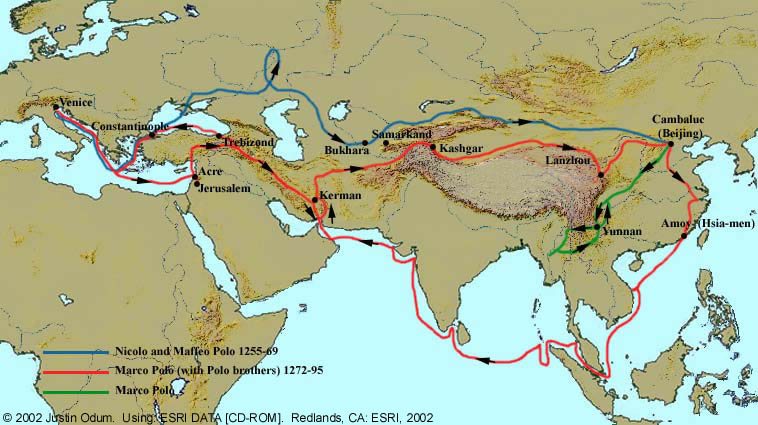
uma ideia do império mongol que nos pôs a falar de jogos electrónicos, desta vez age of empires, Marco Polo e da ponte sobre o Drina. uma imagem que não esqueço: a das miniaturas dispersas sobre as águas de Bagdad.

a nossa, portuguesa, posição na geografia do mundo leva-me por vezes a fantasiar que os escolhidos fomos nós: que melhor jardim pudéramos ter. gostaria de ler com pormenor sobre o cerco otomano a Viena, como gostaria de ler sobre a entrada dos mongóis em Cracóvia. da bela cidade de cores suaves, sei só da praça central com os seus quiosques, da academia de música, da rapariga que vivia num primeiro andar de uma casa de família onde tudo era escuro e onde a obediência aos mais velhos lhe abafavam o riso que conheci anos mais tarde. fugiu de lá mas não deixou de sentir saudades da praça limpa e da vida disciplinada e acabou por procurar bem longe a segurança daquele primeiro andar na zona nobre de Cracóvia.

"A full week of pillage and destruction commenced. The Mongols showed no discretion, destroying mosques, hospitals, libraries, and palaces. The books from Baghdad’s libraries were thrown into the Tigris River in such quantities that the river ran black with the ink from the books. The world will never truly know the extent of what knowledge was lost forever when those books were thrown into the river or burned."
daqui.

é acima de tudo a conclusão final que julgo interessantíssima:
"The Mongol invasion is one of the most demoralizing times of Islamic history. The death and destruction of the 1200s has not yet been seen again in the Muslim world. While most articles on this website illustrate the great achievements of Islamic history, it is similarly important to be aware of the negatives, particularly what causes them to occur. The Muslim world was largely unable to repel the Mongol invasion due to disunity and weak political and military institutions. Throughout Islamic history, disunity has always led to invasion and defeat, while unity has led to great Islamic empires that benefited the entire world."
os tempos correntes não estão longe de ser para o mundo islâmico uma segunda invasão mongol mas desta vez é o ocidente que lhes declara guerra (war on terror): a guerra ao terrorismo arrasta a guerra a tudo islâmico o que só é possível pela incrível 'desunidade e fracas instituições políticas e militares', que melhor exemplo do que a Síria onde se guerreiam não só ocidentais e árabes mas sobretudo muçulmanos contra muçulmanos. as mais numerosas vítimas do extremismo islâmico são muçulmanos.

Tuesday, October 22, 2013

the Order of the Assassins

há uma série de livros que podem funcionar como uma espécie de bin laden for dummies: um deles é Memed My Hawk, o outro Samarcanda, em particular o capítulo 17. (o primeiro, simpaticamente, o segundo revelador de estratégias). quando os americanos (ou quaisquer outros) pensaram que era possível apagar esta gente como apagaram os nativos do seu continente, enganaram-se.


"For almost two centuries, from 1090 until 1273, the Order of Assassins played a singular and sinister role in the Middle East. A small Shiite sect more properly known as the Nizari Ismailis, the Assassins were relatively few, geographically dispersed, and despised as heretics by both the Sunni Muslim majority and even by most other Shiites. By conventional standards, the Assassins should have been no match for the superior conventional military power of any of their many enemies. But near the end of the 11th century, the charismatic and ruthless Hasan-i Sabbah forged this small, persecuted sect into one of the most lethally effective terrorist groups the world has ever known. Even the most powerful and carefully guarded rulers of the age—the Abbasid and Fatimid caliphs, the sultans and viziers of the Great Seljuk and Ayyubid empires, the princes of the Crusader states, and emirs who ruled important cities like Damascus, Homs, and Mosul—lived in dread of the chameleonlike Assassin agents. Known as a fida'i (one who risks his life voluntarily, from the Arabic word for "sacrifice"; the plural in Arabic is fidaiyn, or the present-day fedayeen), such an agent might spend months or even years stalking and infiltrating an enemy of his faith before plunging a dagger into the victim's chest, often in a very public place. Perhaps most terrifying, the Assassins chose not only a close and personal manner of killing but performed it implacably, refusing to flee afterward and appearing to welcome their own swift death." daqui.

Monday, October 21, 2013

'Isfahan is half the world'


talvez nem seja a escolha ideal para referir Isfahan, a capital do antigo império persa, esta imagem da igreja armena Vank em Isfahan.


"Esfahān nesf-e jahān ast", dizem hoje os Persas. "Ispaão, a metade do mundo!" A expressão nasceu muito depois da era de Khayyam, mas já em 1074 não faltavam palavras para louvar a cidade: "as suas pedras, galena, as suas moscas, abelhas, a sua erva, açafrão", "o seu ar é tão puro, tão sadio, os seus celeiros não conhecem o gorgulho, nenhuma carne ali se decompõe." É verdade que ela está situada a mil e quinhentos metros de altitude. Mas Ispaão também abriga sessenta caravançarais, duzentos banqueiros e cambistas, intermináveis bazares cobertos. As suas oficinas fiam sedas e algodão. Os seus tapetes, os seus tecidos, os seus cadeados exportam-se para as mais longínquas regiões. As suas rosas desabrocham em milhentas variedades. A sua opulência é proverbial. Esta cidade, a mais povoada do mundo persa, atrai todos os que procuram o poder, a fortuna ou o conhecimento."
Amin Maalouf em Samarcanda. o escritor erudito que descobre, no sentido de escavação, locais há muito soterrados pelo tempo. um escritor quase invisível por detrás das cidades que ergue, provavelmente nos antípodas de Pamuk, que se derrama inteiro na história.


(the west has reached the threshold of morality in its relation with other words)

Sunday, October 20, 2013

Mimar Sinan


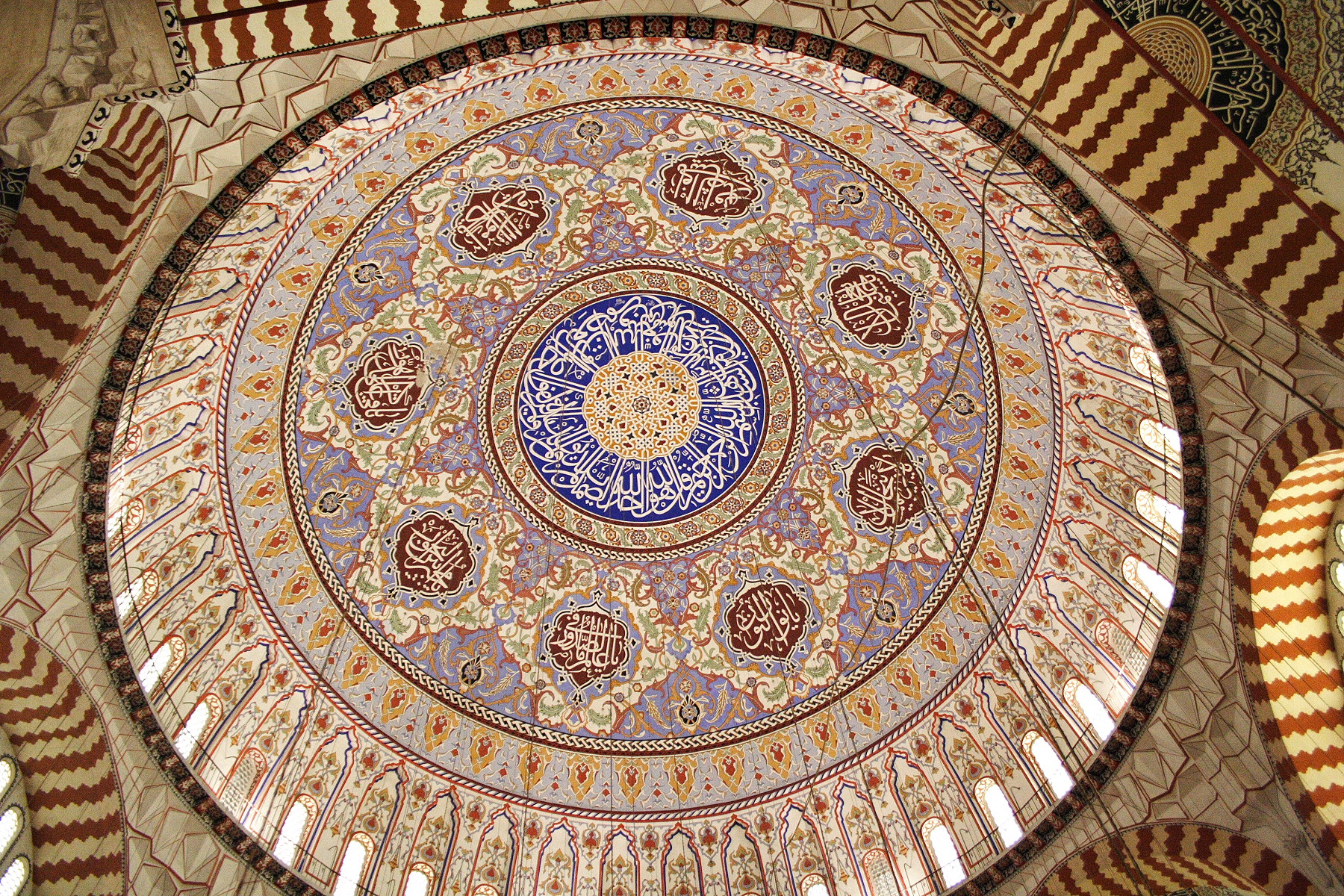
o desenho da mesquita Süleymaniye (obrigada Armando!) e não da Şehzade, mas terei de confirmar. a Süleymaniye, onde não entrámos (por enquanto), é a mesquita da terceira colina e foi desenhada por Mimar Sinan para glória do grande Suleiman. cada sultão edificava a mesquita de seu nome. tenho por passar para aqui grandes partes do capítulo dedicado a Sinan no policial A Memento for Istanbul, um livro-guia das épocas importantes da cidade (enfim, quase todas, e o que me deixa a pensar que está na altura de usar o RobKart).


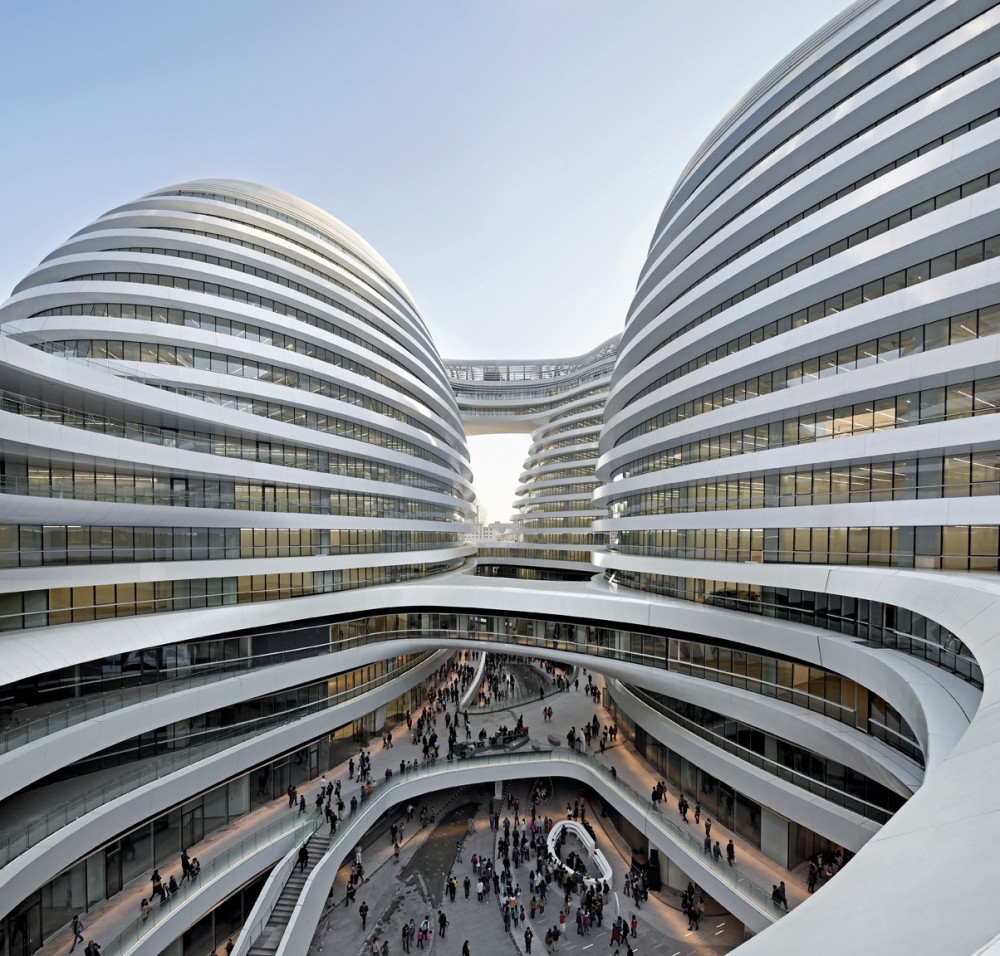
foto daqui. o deslumbramento vertiginoso das ideias puras que, tal como o desenho das catedrais, nos aproximam da claridade da geometria. que se chamem catedrais a campos de bola hoje, e que se acredite na equivalência, é um pouco triste e desolador. os sonhos da humanidade que se objectivam nestas construções fantásticas vão muito para além de um jogo de entretenimento másculo e de movimentações de capital. o jogo e o outro mundo, dois planos. --outro equivalente que encontro é em construções culturais e só me vêm à cabeça Calatrava e Zaha Hadid.

vale a pena ler a história Mimar Sinan, contemporâneo de Leonardo. quem conhece Leonardo? quem conhece Sinan?


a mesquita Selimiye em Edirne é considerada a sua obra-prima.


"While Italian architects from Brunelleschi to Michelangelo contributed to the evolution of large domed churches, a parallel and equally momentous development took place to the southeast in the Ottoman Empire. Mimar Sinan, the Chief of Architects to the Sultans from 1538 to 1588, experimented boldly with domed structure and interior space in a vast array of mosques. On one hand, the architects of the Italian Renaissance conceived their designs in response to the demands of Christianity, and to the architectural theory of humanist scholars. On the other, Sinan, observing traditional principles, oversaw a great metamorphosis of the mosque in the service of Islam. More than any other Ottoman architect he set the course for the design of religious structures for centuries to come. Both architectural traditions, Italian and Ottoman, received influences from the Roman Empire, but western and eastern architects interpreted the Roman and Byzantine legacy in entirely separate ways. Naturally the buildings that they erected differed in terms of structure, space, symbolism and ornament."
(daqui)

de histórias mal-contadas vivemos nós quase sempre. a vida de Khayyam é surpreendente, mais conhecido pelos rubai ao vinho, mas eminente sábio, matemático, filósofo e astrónomo, admirador do ilustre Avicena, Ibn Sīnā. assim era o ano mil. quem éramos nós no ano mil? para o saber, deesconfio, é preciso ler Umberto Eco. (um salto de quinhentos anos, meio minuto, entre Omar e Sinan).

Friday, October 18, 2013

glória efémera

"De quando em vez um homem ergue-se neste mundo,
estadeia a sua fortuna e proclama sou eu!
A sua glória vive o espaço de um sonho falido,
já a morte se ergue e proclama sou eu!"

Omar Khayyam via Amin Maalouf em Samarcanda.

hujum (headscarfing)

directamente da wikipédia, 'hujum' reflecte perfeitamente o conflito este-oeste ou oeste-islão substituindo o comunismo (não por literatura mas) por capitalismo, se é que o termo continua a fazer sentido depois de desaparecida a primeira parte da equação:

Hujum (in Turkic languages, storming or assault, from Arabic: هجوم) was a series of policies and actions taken by the Communist Party of the Soviet Union, initiated by Joseph Stalin, to try to have women in the Muslim majority areas of the Soviet Union remove their veils. The hujum was literally an "attack" on all manifestations of perceived gender inequality, especially on the archaic systems of female veiling and seclusion, practiced in Central Asia. Thus the party recast their message of class revolution into the novel lexicon of women's liberation. By abolishing the means of oppression apparent in Uzbekistan, and heralding in women's liberation, the Soviets believed they could clear the way for the construction of socialism. The hujum campaign's purpose was to rapidly change the lives of Uzbek women so that they may participate in public life, paid work, education, and ultimately membership in the Communist Party. It was originally conceived to enforce laws that gave women in patriarchal societies equality by creating literacy programs and bringing women into the labor force.
The program initiated around 1927, and was a change of the previous Bolshevik policy of religious freedom for the Muslims in Central Asia. However, quite in contrary to its aim, Hujum was seen by many Muslims as an outside foreign force, namely Russians, attempting to force their culture upon the indigenous population, namely Tajiks, Tatars, and Uzbeks, and so the veil became a cultural identity marker. Wearing it became an act of religious and political defiance, and a sign of support for the respective ethnic nationalism. Prior to Hujum many women were in positions of power in the soviets of Muslim areas, however, despite Hujums aim of "emancipating" the "oppressed" Muslim women, after its instigation the number of women in power decreased remarkably.

o início do véu, diz-se, esteve em Samarkanda, é a história de Bibi Khanoum, a mesquita e a mulher, esposa de Timur e filha do imperador da China.

Legend of a Kiss  (daqui)
 The story goes that the mosque’s Persian architect, as his price for finishing before Timur‘s return, insisted on a kiss from Bibi Khanum herself. She, of course, refused. But when word reached her that Timur was in Merv, a week’s march away, and the mosque was still unfinished, she decided to allow the architect to kiss her cheek. His lips left a mark that Timur noticed upon his return. Arab architect was being pursued to the summit of the minaret in which he had taken refuge, wings appeared upon his shoulders, and he took flight towards Meshed in northwest Iran, the next site, appropriately, of Timurid architecture. He ordered all women to wear veils so than only their husbands could enjoy what was beneath. Modern Uzbek women, however, usually do not take veil. Women mainly wear scarves to block out the sun.

o mais fantástico, obviamente, é a última frase da 'lenda'.

outra versão aqui.


Thursday, October 17, 2013

'I am a simple man'

"It was not poverty that drove me to you;
I am not poor, for my desires are simple.
The only thing I seek from you is honor,
the honor of a free and steadfast man."

os versos de Khayyam (atribuídos) quando o príncipe o desafia para dizer um poema. no amável livro de Maalouf, este é o momento em que o príncipe se levanta, dá a mão ao poeta e o convida a sentar-se ao seu lado. gostei da tradução portuguesa num livro que permite duas coisas em simultâneo: conhecer Maalouf, conhecer Khayyam.

porque é que este livro pode suscitar uma 'investigação'? (o poder e a literatura, etc etc) não devia, mas parece que sim.

Terá sido a pobreza que me conduziu a ti?
Ninguém é pobre se sabe manter os seus desejos simples.
Nada espero de ti, salvante ser honrado,
Se acaso sabes honrar um homem recto e livre.

Wednesday, October 16, 2013

sign of revolt

"Since the dawn of time astrologers have proclaimed that four cities were born under the sign of revolt, Samarkand, Mecca, Damascus and Palermo, and their words are true!"
Maalouf em Samarkand

Sunday, July 21, 2013

Samarcanda:

memory and desire.


and.


 acabada a Granta, um franchise português de uma revista britânica que tinha, até agora que decidiu tornar-se marca, um passado respeitável. a versão portuguesa faz aquilo que se espera dela: um inédito de um autor português importante, Pessoa (benditos inéditos que se adaptam assim à necessidade de novidade dos mercados), dois grandes autores publicados na Granta inglesa, Pamuk [em ansiedade de separação] e Bellow, e Simon Gray e Kapuściński. uma série de portugueses de hoje (gostei de Afonso Cruz e fiquei a pensar que Walter Hugo Mãe afinal até podia escrever) e uma tradicional, Hélia Correia. as imagens de Blaufuks dificilmente serão ultrapassadas. --valeu a pena, ainda assim, espero o número dois (Tu?). onde é que estava o Eu? muitas das narrativas são auto-biográficas, se bem que 'uma bíblia capaz de cruzar sem inibições o novo testamento do jornalismo com o antigo testamento da literatura' é um programa que me desagrada profundamente. até porque bíblia há só uma e porque a literatura não é a versão antiga de nada. mas fica o balanço e este é positivo. long live.

 
Share