light gazing, ışığa bakmak

Showing posts with label Arquitecturas. Show all posts

Tuesday, March 25, 2014

Shigeru Ban, the Naked House


ou quartos on wheels que me fariam feliz pois estou sempre a mudar quartos e coisas. Shigeru Ban, o Pritzker deste ano muito pelo seu trabalho em habitações temporárias para vítimas de cataclismos vários.

paper walls and bamboo scaffolding, how beautiful.

more here. esta casa é de 2001, eu já aqui a tinha algures no pit que é este espaço onde tudo vai desaparecendo aos poucos para o buraco negro do tempo que é, apropriadamente, para baixo. o prémio não foi por este espaço mas pelos projectos de habitação temporária e pelos grandes projectos como a extensão do Pompidou em Metz, deslumbrante transformação ondulada dos andaimes de hong kong e macau que me fascinaram na altura. penso que são usados em toda a ásia mas era preciso lá ir para confirmar.

a noção de abrigo temporário ou de transiente, transitório ou temporário ou fleeting reality pode bem ser a ideia deste ano (o ikea, grande esponja do sentimento do momento, fê-lo o seu sentimento, ou seja, pega no sentimento comum e vende-o). estamos a grande distância do século 19, cujo sentimento era o oposto. será que passamos lentamente do sentimento anterior, a perda, para este? uma aceitação, a perda vista de outro modo, aceitar que tudo passa, tudo muda, a perda como normalidade.

going east, eastward, my friend.

Wednesday, January 8, 2014

interrupt

"The New Rules of Public Art
Rule no. 07
DON’T EMBELLISH, INTERRUPT.

We need smart urban design, uplifting street lighting and landmark buildings, but public art can do so much more than decorate. Interruptions to our surroundings or everyday activities can open our eyes to new possibilities beyond artistic embellishment."

na SALT online.

foto de Heather & Morison em Journée des Barricades.

Saturday, November 9, 2013

terceira nota para a Trienal

"... from the steppe a city rose up in front of me", o nome de um dos capítulos de The Dervish Gate, Ahmet Ümit.

Sunday, October 20, 2013

Mimar Sinan


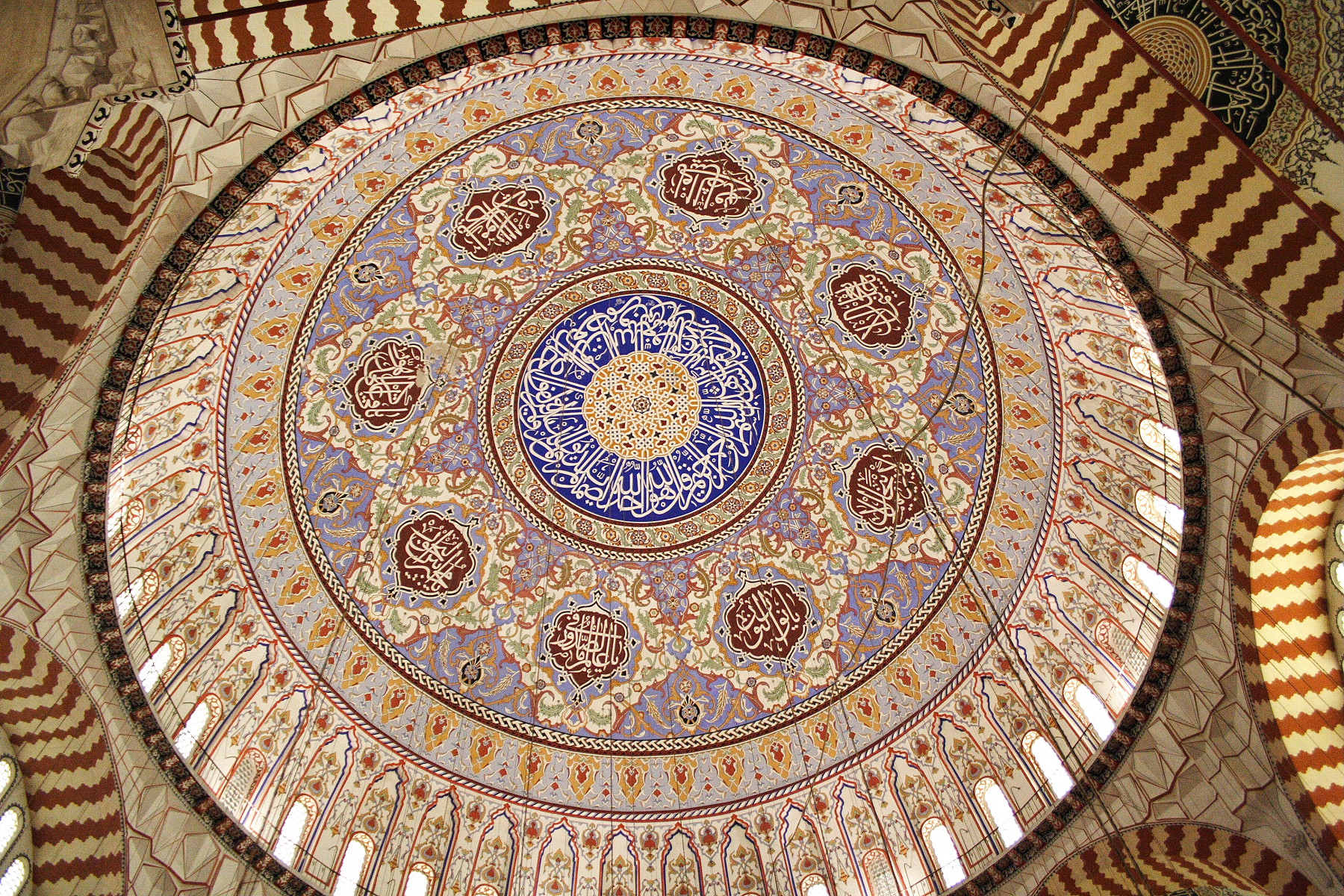
o desenho da mesquita Süleymaniye (obrigada Armando!) e não da Şehzade, mas terei de confirmar. a Süleymaniye, onde não entrámos (por enquanto), é a mesquita da terceira colina e foi desenhada por Mimar Sinan para glória do grande Suleiman. cada sultão edificava a mesquita de seu nome. tenho por passar para aqui grandes partes do capítulo dedicado a Sinan no policial A Memento for Istanbul, um livro-guia das épocas importantes da cidade (enfim, quase todas, e o que me deixa a pensar que está na altura de usar o RobKart).


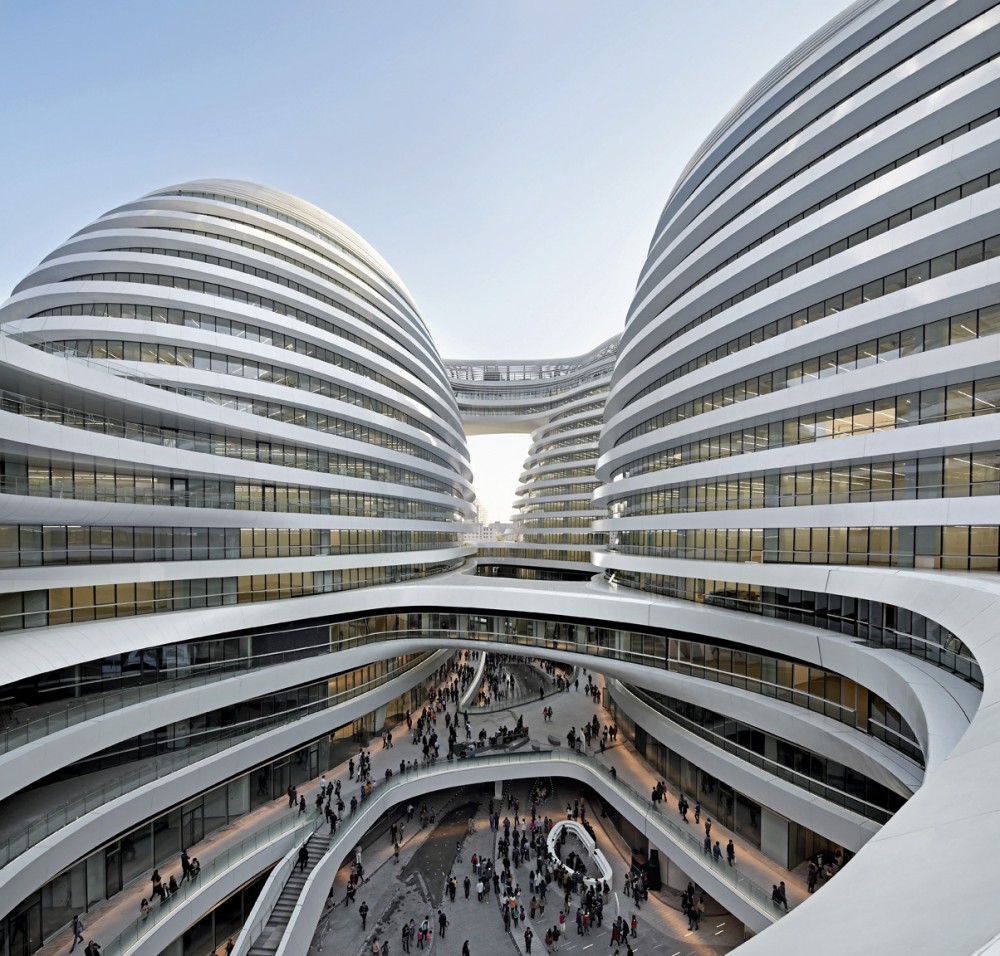
foto daqui. o deslumbramento vertiginoso das ideias puras que, tal como o desenho das catedrais, nos aproximam da claridade da geometria. que se chamem catedrais a campos de bola hoje, e que se acredite na equivalência, é um pouco triste e desolador. os sonhos da humanidade que se objectivam nestas construções fantásticas vão muito para além de um jogo de entretenimento másculo e de movimentações de capital. o jogo e o outro mundo, dois planos. --outro equivalente que encontro é em construções culturais e só me vêm à cabeça Calatrava e Zaha Hadid.

vale a pena ler a história Mimar Sinan, contemporâneo de Leonardo. quem conhece Leonardo? quem conhece Sinan?


a mesquita Selimiye em Edirne é considerada a sua obra-prima.


"While Italian architects from Brunelleschi to Michelangelo contributed to the evolution of large domed churches, a parallel and equally momentous development took place to the southeast in the Ottoman Empire. Mimar Sinan, the Chief of Architects to the Sultans from 1538 to 1588, experimented boldly with domed structure and interior space in a vast array of mosques. On one hand, the architects of the Italian Renaissance conceived their designs in response to the demands of Christianity, and to the architectural theory of humanist scholars. On the other, Sinan, observing traditional principles, oversaw a great metamorphosis of the mosque in the service of Islam. More than any other Ottoman architect he set the course for the design of religious structures for centuries to come. Both architectural traditions, Italian and Ottoman, received influences from the Roman Empire, but western and eastern architects interpreted the Roman and Byzantine legacy in entirely separate ways. Naturally the buildings that they erected differed in terms of structure, space, symbolism and ornament."
(daqui)

de histórias mal-contadas vivemos nós quase sempre. a vida de Khayyam é surpreendente, mais conhecido pelos rubai ao vinho, mas eminente sábio, matemático, filósofo e astrónomo, admirador do ilustre Avicena, Ibn Sīnā. assim era o ano mil. quem éramos nós no ano mil? para o saber, deesconfio, é preciso ler Umberto Eco. (um salto de quinhentos anos, meio minuto, entre Omar e Sinan).

Friday, October 18, 2013

hujum (headscarfing)

directamente da wikipédia, 'hujum' reflecte perfeitamente o conflito este-oeste ou oeste-islão substituindo o comunismo (não por literatura mas) por capitalismo, se é que o termo continua a fazer sentido depois de desaparecida a primeira parte da equação:

Hujum (in Turkic languages, storming or assault, from Arabic: هجوم) was a series of policies and actions taken by the Communist Party of the Soviet Union, initiated by Joseph Stalin, to try to have women in the Muslim majority areas of the Soviet Union remove their veils. The hujum was literally an "attack" on all manifestations of perceived gender inequality, especially on the archaic systems of female veiling and seclusion, practiced in Central Asia. Thus the party recast their message of class revolution into the novel lexicon of women's liberation. By abolishing the means of oppression apparent in Uzbekistan, and heralding in women's liberation, the Soviets believed they could clear the way for the construction of socialism. The hujum campaign's purpose was to rapidly change the lives of Uzbek women so that they may participate in public life, paid work, education, and ultimately membership in the Communist Party. It was originally conceived to enforce laws that gave women in patriarchal societies equality by creating literacy programs and bringing women into the labor force.
The program initiated around 1927, and was a change of the previous Bolshevik policy of religious freedom for the Muslims in Central Asia. However, quite in contrary to its aim, Hujum was seen by many Muslims as an outside foreign force, namely Russians, attempting to force their culture upon the indigenous population, namely Tajiks, Tatars, and Uzbeks, and so the veil became a cultural identity marker. Wearing it became an act of religious and political defiance, and a sign of support for the respective ethnic nationalism. Prior to Hujum many women were in positions of power in the soviets of Muslim areas, however, despite Hujums aim of "emancipating" the "oppressed" Muslim women, after its instigation the number of women in power decreased remarkably.

o início do véu, diz-se, esteve em Samarkanda, é a história de Bibi Khanoum, a mesquita e a mulher, esposa de Timur e filha do imperador da China.

Legend of a Kiss  (daqui)
 The story goes that the mosque’s Persian architect, as his price for finishing before Timur‘s return, insisted on a kiss from Bibi Khanum herself. She, of course, refused. But when word reached her that Timur was in Merv, a week’s march away, and the mosque was still unfinished, she decided to allow the architect to kiss her cheek. His lips left a mark that Timur noticed upon his return. Arab architect was being pursued to the summit of the minaret in which he had taken refuge, wings appeared upon his shoulders, and he took flight towards Meshed in northwest Iran, the next site, appropriately, of Timurid architecture. He ordered all women to wear veils so than only their husbands could enjoy what was beneath. Modern Uzbek women, however, usually do not take veil. Women mainly wear scarves to block out the sun.

o mais fantástico, obviamente, é a última frase da 'lenda'.

outra versão aqui.


Thursday, October 10, 2013

'less transparent'

"This revolution [in cognitive neuro science] reveals that thought is less transparent to the thinker than it appears and that the mind is less rational than we believe and more associative than we know. Many of the associations we make emerge from the fact that we live inside bodies, in a concrete world, and we tend to think in metaphors grounded in that embodiment."

daqui e com o espectacular Metropol Parasol. (embora ache piada ao viver dentro de corpos, como se o corpo fosse outrem. ai, o sonho da alma).


um outro motivo ainda para ir a sevilha.

Friday, July 5, 2013

Thursday, May 2, 2013

tão bonita

a estação de correios do Estoril, de Adelino Nunes.


para ler aqui.
cada vez mais me convenço de que esse curso inútil para a sociedade e para os bens transacionáveis em geral, o de história, deveria ser obrigatório para a entrada em qualquer serviço público, e em regime intensivo (assim como o exame de cultura geral para ser diplomata que teve chumbos na ordem dos 98%. o curioso é que dão a notícia como se fosse evidência da estupidez da gente nova - esses malandros que só querem usar computador e calculadora, já para não falar em consolas - e não se lembram de ir consultar os programas de ensino, os livros, os despedimentos, os idiotas agrupamentos, os programas e etc.)


visitar o concelho de Cascais sem ir ao Santini era quase crime (agora que se modernizou e fugiu para o Chiado já a coisa é mais perdoável), mas creio que o local que mais preenche o imaginário Cascais-Estoril é a pastelaria Garrett, um pouco acima na rua desta estação de correios. ir lá ao domingo à tarde é quase entrar na ilustração de uma ideia: ser de Cascais é isto. o engraçado para mim que lá vou de vez em quando pelos bolos (ah os bolos) é que é precisamente ao domingo à tarde que a pastelaria se enche de todas as pessoas dos concelhos limítrofes e dos subúrbios, também elas vestidas "à Cascais". um total must.


(cada vez que "perco" um seguidor google, a maior parte deles estranhos em terras estranhas, convenço-me de que são fanáticos religiosos ou, pior, espirituais, característica ausente na minha pessoa)


Monday, April 29, 2013

A Cidade de Cassiano, Edgar Pêra


absent flavours

"Flavorless sweet rolls and beautiful vistas

When I told my friends that the cinnamon rolls we'd bought from the bakery had lost their flavour, they laughed at me. It was a dark and rainy Saturday afternoon, and we were drinking tea and discussing whether or not to go to a Columbia University faculty party for students. They explained that the heavenly cinnamon smell that made you long for the sweet rolls the moment you walked into the bakery was actually an artificial fragrance pumped into the store. Conned by that aroma, customers longed to touch these buns, when in fact there wasn't even an oven in the back. You might wish to call this a "lost illusion", as people used to say, or, more prosaically and descriptively, an absence of flavour. But you could also say it turned the store into a sham.


Until you get used to this city, you spend a good part of the day pondering these absent flavours; because we still know what a real brick wall looks like and how it is constructed, a concrete wall that's been made to look like a brick wall is a sham that causes most no pain. But how about when you see them beginning to put up huge buildings that are imitations of things they are not? The ostentatious postmodern structures that are now springing up all over New York City are the work of architects who do just this. These architects go out of their way to emphasize the fact that their buildings are imitations: With their enormous glass facades, their almost medieval twists and bends, they make me wonder whether they have no desire to be actually anything whatsoever. Do they wish only to deceive us, appearing to be something other than what they are? But then, can any deception so obvious be a deception at all?

Just as strange it is how that the advertisements, radio slogans, billboards, and beautiful models on television will deceive you so openly. You know that the red chunks in the ice cream are artificially colored and are not strawberries, you know that not even the writers believe the blurbs on the back of their books, you know that the famous actress who has been in the public eye for forty years is no longer so young as her face-lift suggests, and you know that someone else writes Ronald Reagan's speeches for him. But I don't get the impression that many people mind. The tired citizen walking down Fifth Avenue would explain it like this, perhaps: "Should I worry if this flower delighting my eyes is really plastic? It's a pleasure to look at, and it cheers my heart, and that's all that matters to me."

A person who has newly arrived in New York may read more into all this. What if the people here are like the cinnamon rolls; what if they are not sincere in their helpful smiles and friendly little questions; what if they're trying to fool me? During one of those long journeys  in a lift, if one of the other passengers suddenly asks me how I am, does this man really want to know? After she has checked my reservation, is the girl in the travel agency genuinely interested in the details of my plans or does she simply feel she must act as she is? Do they ask me these silly questions about Turkey just to make conversation, or because they are really curious? Why do they keep smiling at me, why are they always apologizing, why are they so solicitous?

After that rainy afternoon when we ate the flavourless cinnamon rolls, my friends had little pacience for my theories on tastelessness. I must come from a country that put too great an emphasis on Right and Wrong, Good and Evil, Tasty and Flavorless. I was reading too much into things about which I knew little; I seemed to be expecting anonymous organizations, unfamiliar enterprises, television voiceovers, and the advertisements plastered all over every avenue to speak to me as sincerely as a neighbor or friend.
(...)

But earlier on we'd been laughing about how dazzling the supermarkets were here, with all their varied merchandise. Tens of thousands of different brands, colors, boxes, pictures, numbers, all sitting in these spacious, fragrant stores awaiting eyes to feast on them.

As your eyes travel over their colorful surfaces, you don't spend much time worrying that they might be about to deceive you; it is as if you've forgotten the old philosophical distinction between appearance and reality. You give yourself over to the beauties of this shopping heaven and you feast your eyes. With time, you learn that it doesn't matter if cinnamon rolls don't smell the same at home as they did in the bakery."

Pamuk em "Views from the Capital of the World" em Other Colors.
dando sentido à frase My library is in some sense my autobiography.


Sunday, April 28, 2013

escheresque homes

"If I hadn't visited so many houses one after the other, I would never have seen so clearly the two essential things that people did in their homes: (1) stretch out in a chair or on a divan, a sofa, a cushioned bench, or a bed and doze, and  (2) watch television all the hours of the day. Most of the time they did both at the same time, while also smoking and drinking tea. In areas of the city where property values were about the same, there was too much space given over to stairs; I saw no houses that departed from this design. After seeing how much room was taken up by staircases in buildings with barely fifteen or twenty feet of frontage and no rooms in the back, I tried to forget the façades, buildings, and streets of the city and conjure up hundreds of thousands of staircases and stairwells; having done so, I came to see the divided properties of Istanbul as a forest of secret stairways."
Pamuk em "Why didn't I become an architect?" em Other Colors.

talvez amanhã, talvez, talvez-

e depois de tudo isto, como será.


Monday, April 8, 2013

livro 2

Livro de Lisboa de Irisalva Moita, falecida em 2009.

aqui um artigo seu sobre a Casa dos Bicos, que talvez eu venha a passar para aqui, depois de ter de lá saído em choque com o assassínio arquitectónico que o arquitecto Santa Rita lá perpetrou.


Wednesday, February 15, 2012

sou pirata boa, como já desconfiava

"Por isso, como nunca fomos muito habilidosos em recorrer a esses apoios, a crise não nos afecta particularmente. O nosso maior apoio são os leitores. Por exemplo, para o livro do Álvaro Domingues que vamos agora publicar em Março, com 320 páginas todas a cores, pedimos aos leitores para nos adquirirem directamente e antecipadamente os livros. Estávamos com muito receio, porque precisávamos de 500 subscritores e o processo exige obviamente uma grande confiança. E ficámos muito felizes por saber que temos essa confiança, que há um público que aprecia e quer ler os livros que publicamos. E que é esse público que tem força como colectivo para legitimar as nossas edições e não uma marca de sanitas ou uma Secretaria de Estado de um Estado falido."

"Mas depois há uma dose de incompetência generalizada que envolve este cenário. A maior parte das livrarias, sobretudo com a autofagia editorial que tem grassado nos últimos tempos, tem primado pela ineficácia na criação de vínculos na cadeia entre autor e leitor. Há livreiros que não conhecem os livros, que dizem que estão esgotados apenas porque não os conhecem, que recebem o dinheiro dos leitores e não pagam a parte devida aos editores, etc.

Há também uma incompetência (ou ausência) assustadora nas instituições que deveriam apoiar a edição e os editores, e nem me refiro à ausência de apoios financeiros. Embora aqui o impacto seja menor, na medida em que essas ausências e incompetência apenas limitem a nossa actividade, em vez de a promover. Por exemplo, tentámos, sem sucesso, oferecer livros à Rede Nacional de Bibliotecas. Imagino que muitos leitores pudessem ter beneficiado dessa oferta, mas não conseguimos ter resposta da DGLB."

"TP. Tem um iPad? E um Kindle? Como vê o futuro do livro em papel num mundo tomado de assalto pela revolução digital e pelo download pirata?

AT. O que é que o futuro do livro de papel tem que ver com o facto de eu ter ou não ter um iPad ou um Kindle? E o que é que ambas estas coisas têm que ver com a ‘revolução digital’? E sobretudo, o que é que a pirataria tem a ver com qualquer uma destas coisas? Vamos por partes.

Em primeiro lugar, a questão ‘digital’. Há um mundo de possibilidades tecnológicas que se tem vindo a abrir e que oferecem excelentes soluções de comunicação e publicação de conteúdos. Em boa verdade, no campo do livro, a maior parte da produção de conteúdos para esses suportes parece emular as práticas editoriais e formais que decorrem de outras tecnologias, nomeadamente a imprensa. Isso tem algumas vantagens, por exemplo, imaginem-se as toneladas de papel que não se poupam, e o seu respectivo espaço em bibliotecas, quando se podem transformar as actas de um congresso em PDF’s facilmente acessíveis através de bases de dados partilhadas. Ou, como tem sido evidente, a possibilidade de construir enciclopédias e dicionários de actualização constante. Para o campo da arquitectura a publicação digital oferece e sugere muitas soluções de representação que estão completamente fora de hipótese no formato impresso. A integração de vídeo é talvez a mais óbvia, mas o que parece ser mais relevante são as possibilidades de articulação de conteúdos numa rede mais complexa e mais directa do que a sequência de paginação de um livro. Mas o que é óbvio é que está em causa uma tecnologia de produção distinta, com agentes diferentes, que apela a outros saberes, que envolve outros actores. Ou seja, se há pontos de ligação entre os dois mundos, chamemos por comodidade o ‘mundo de papel’ e o ‘mundo digital’, há mais pontos que os separam do que aqueles que os unem. Enquanto o ‘mundo digital tentar emular o mundo de papel, pouca diferença fará. Será eventualmente mais proveitoso economicamente, um ou outro lado, nunca se sabe. O que aguardo com expectativa é o momento em que o ‘mundo digital’ consiga fornecer formas de representação que, de facto, constituam uma novidade e ofereçam novas possibilidades de construir conhecimento.

Quanto à questão da pirataria, só por ignorância se pode desvalorizar ou ignorar a importância fundamental da pirataria no mundo editorial. A pirataria não tem nada a ver com uma ascensão do ‘mundo digital’ sobre o ‘mundo de papel’ e, em ambos os cenários, é uma prática que sempre existiu, uma prática que amplia e expande o campo de acção e circulação dos conteúdos editoriais e que é francamente positiva.

Basta pensar que a grande circulação gerada pela pirataria tende a valorizar as peças originais, sobretudo quando o valor material e as qualidades específicas de uma edição original são sensíveis, ao tacto, ao olhar. Se estamos a falar de livros a presença da pirataria é tão velha quanto o próprio livro, não tem nada a ver com a ascensão do mundo digital.

O que creio estar a comprometer o futuro económico do livro de papel é o desmantelamento de um sistema de relações estável entre autor e leitor. A gestão digital da logística, que traz vantagens incalculáveis na gestão de lojas e na circulação de livros, tem sido aproveitada da pior maneira, desqualificando o livreiro e, assim, aniquilando uma figura cujo conhecimento – do livro e do leitor –foi essencial desde a generalização da imprensa. E não é o comércio online que o está a aniquilar; um bom livreiro sabe gerir esse conhecimento e o tirar melhor partido das ferramentas que estão à sua disposição. O que o está a aniquilar o livreiro é a barbárie e tirania do livro concebido como um objecto exclusivamente económico. Para esse objecto o conhecimento do livreiro é relativamente indiferente. Se o mercado editorial se concentra nessa frente (como parece ter concentrado), pode parecer que não vai aniquilar directamente o livro como objecto, mas corre o risco de aniquilar uma figura fundamental para a existência do livro. Mas, mais uma vez, não é o ‘mundo digital’ que está a provocar isso, é a ambição especulativa.

Perante isto, cabe perguntar quem é o pirata bom e o pirata mau? Creio que o pirata bom é quem copia, divulga, conhece, faz conhecer e usa o conhecimento que os autores comunicam sob a forma de livros, mesmo que não pague directamente ao autor e a quem trabalhou nos conteúdos aquilo que seria suposto pagar. E creio que o pirata mau é aquele que julga que basta pagar 1 para, especulando à custa de um mercado protegido de forma autoritária, conseguir ganhar 2, sem ter em conta qual o verdadeiro valor intelectual e cultural da mercadoria que está a negociar."


excertos de uma notável entrevista de André Tavares da Dafne Editora que é preciso ler por completo. retrato nítido de uma época.

Sunday, March 28, 2010

delirante

a Villa Nurbs de Enric Ruiz Geli (work in progress).


Friday, May 8, 2009

interessa-me a luz

interessa-me a luz. a geometria do tempo, a irreversibilidade do pensamento.
(...)
do outro lado uma torre de pedra e ferro
vertical e branca
quanto mais alta a torre mais fundo e crescente e escuro o poço
que a construção esquadria
numa viagem entre coisas visíveis e invisíveis

Wednesday, February 18, 2009

Sou Fujimoto no Porto

uma sorte, para os que puderam ouvir este arquitecto japonês [via Sol]. gostei da N House, embora também goste do cubo de madeira no meio da floresta. uma personalidade interessantíssima. pena que o Parque Mayer, ou fosse o que fosse afinal, não tenha sido dele. o que não encontrei: a cozinha ou casas de banho, embora as veja na planta.


aqui, mais imagens. um bom post, aqui. e o site de Sou Fujimoto.

Tuesday, June 3, 2008

summer playhouses by Andrew Geller

"Then, in his spare time, he began designing ''summer use playhouses,'' as he liked to call them, which were pure sculpture, objects in the landscape and very whimsical. He christened each one with a pet name like the Butterfly, the Box Kite, the Milk Carton. On first impression, these beach houses seem like caricatures, one-liners. They represented a kind of everyman modernism that was both playful and accessible, with most houses costing less than $10,000. Some, like the house of Irwin Hunt on Fire Island, a box with lids that swung down from the roof, could be closed easily for the winter months." (from a NY Times article, here)


Reese House (1955); Pearlroth House (1958)


Levitas House (1963); Langman House (1958)


Frank House (1958); Lynn House (196)


Strick House (1968); Reese House (1963)

Curioso, mas menos bom: quase todas as casas desapareceram ou estão em vias de desaparecer.
Visitar o site de Andrew Geller,
aqui.


Monday, March 31, 2008

cultura às mãos de Zaha Hadid

Edifícios que não chegarão a Lisboa, o globo divide-se pelos vários gabinetes de arquitectos, sistemas solares, estrelas. Uma das estrelas, com projectos simultâneos em todos os continentes, é a iraquiana de nascimento e radiacada em Londres, Zaha Hadid. As formas fluidas de novas paisagens.

O Centro de Artes Performativas em Abu Dhabi, nos Emiratos Árabes Unidos: "In Hadid’s Performing Arts Centre concept, a 62 metre high building is proposed housing five theatres – a music hall, concert hall, opera house, drama theatre and a flexible theatre with a combined seating capacity for 6,300 – that’s 1,100 more than London’s Royal Albert Hall. The Centre may also house an Academy of Performing Arts." (mais, aqui)


E aqui, o projecto para o Museu de Arte Contemporânea de Cagliari, na Sardenha, em Itália. Os projectos culturais, aliás, são a maioria do trabalho de Hadid. Mais sobre este projecto, aqui.


O blogue, a ir seguindo.

"For an architect," she says, "everything connects. The design of a handbag, or furniture or cutlery [Hadid has recently produced designs for three] have their challenges, and they're fun to do. I'd love to get some designs into mass, low-cost production. I want to be able to touch everyone, not just the educated and cultural elite, with a little of what we can do. One of the things I feel confident in saying we can do is bring some excitement, and challenges, to people's lives. We want them to be able to embrace the unexpected." (daqui)

Tuesday, March 25, 2008

marina de Albufeira


Marina de Albufeira

"Não dão liberdade aos arquitectos portugueses"
parte de uma entrevista do Arquitecto Tomás Taveira ao Mundo Universitário,
aqui na íntegra em .pdf. (Maio 2004)


Mundo Universitário Considera-se um provocador?

Tomás Taveira A provocação está na cabeça de cada um. O facto de eu fazer uma arquitectura não alinhada com o “nacional-fundamentalismo” gera uma reacção natural. As
pessoas normais e mesmo os intelectuais, estão pouco habituados a ter que “ler” objectos que não se enquadram no neo-racionalismo. Pior, objectos que os obrigam a estudar estética e filosofia o que é ainda extremamente difícil, para gente preguiçosa e tendenciosa. Tudo quanto parece diferente é tido como uma “provocação”, o que é manifestamente errado.

MU Nietzche definiu a arquitectura como “música parada no tempo”. Homem, músico, artista plástico e arquitecto, são um e todos o mesmo?

TT Não conheço essa afirmação, mas o homem não é unidimensional e por isso pode ter “descontinuidades” grandes. O facto de alguém ser um bom arquitecto não faz dele um artista. Já o facto de produzir arte, faz com que o arquitecto seja efectivamente um artista plástico, mas mais uma vez há que distingui-lo do “humano”. Há vários homens num só, assim como há vários arquitectos e artistas num só arquitecto.

MU Há uma cultura do risco nos seus projectos?

TT A estética que eu acredito ser a melhor para a construção dos objectos que devem povoar a cidade não é o Modernismo nem o neo-Racionalismo. É precisamente o contrário. É uma estética free style, neo-brutalista e expressionista. Os meus objectos distinguem-se e mostram uma clara rotura com o ambiente da criação arquitectónica portuguesa e não só.

MU Existe um tirania do “bom gosto” em Portugal?

TT O que existe é efectivamente uma marginalização nacional e internacional relativamente a todas as estéticas não modernistas. Quem não é seguidor de Keneth Frampton – o grande divulgador da ideia de que tudo quanto se faz deve ser modernista – não é publicado, não é convidado para concursos internacionais e não é convidado para dar aulas ou conferências em Universidades reconhecidas internacionalmente. Existe efectivamente uma tirania estética –
da qual apenas Frank Gehry se conseguiu libertar -, que em Portugal é mantida rigidamente pelos “polícias” culturais da Ordem dos Arquitectos e pelos cronistas do jornal Público. Assim destaco alguns nomes que têm dado cabo da hipótese da democracia chegar à arquitectura tais como o Manuel Graça Dias, a Ana Tostões, a Ana Vaz Milheiro, o João Rodeia (presidente
do IPPAR) e naturalmente a presidente da Ordem dos Arquitectos (Helena Roseta).

MU Em Lisboa, na altura do grande incêndio do Chiado, defendeu uma renovação total da zona. Não há um risco acrescido nesse tipo de intervenção urbanística?

TT Não tenho por hábito “pessoalizar” as minhas críticas. Muito menos quando está em causa um grande arquitecto [Siza Vieira], que honra tudo e todos. A minha ideia de cidade não conduz a que se abandonem as pré-existências ambientais, mas também não conduz a que haja relativamente a elas uma total subserviência como foi o caso do Chiado. Penso, que uma atitude mais “libertária”, mais inovadora e mais crítica, teria sido importante para manter a vitalidade
daquela área.

MU A Expo’ 98 foi uma oportunidade de renovação da cidade bem aproveitada?

TT Aí está um caso em que sou suspeito. Primeiro, porque o plano geral foi da autoria de um grande amigo e grande arquitecto, o Luís Vassalo Rosa. Segundo, porque eu próprio planeei a zona central. Contudo, a minha parte do plano foi totalmente vandalizada pelo Mega Ferreira
e seus sequazes e das suas intenções resta nada. Como ambiente geral penso que é uma área de
Lisboa onde não me desagradaria viver.

MU Frank Gehry para o Parque Mayer, Oscar Niemeyer como hipótese para a nova Sé de Lisboa. Falta visibilidade externa aos arquitectos portugueses?

TT Há uma tendência “bacoca” para convidar arquitectos estrangeiros. Começou com João Soares, que nada sabe de arquitectura, mas é verdade que eles podem ajudar a pôr Portugal no mapa. Bilbau não “existia” antes de Frank Gehry ter construído o Museu Guggenheim. Por analogia pode pensar-se que os arquitectos estrangeiros podem fazer obras que espantem, porque lhes dão toda a liberdade. A verdade é que aos portugueses não dão liberdade nenhuma.
Muito pelo contrário. Eu, por exemplo, estou há 20 anos à espera que me aprovem um projecto no Areeiro e dez à espera que me aprovem um projecto no Saldanha.

MU Existe ainda algum sonho, obra ou projecto que gostasse de concretizar?

TT Tenho efectivamente vários sonhos e projectos que gostaria de concretizar em plena liberdade, como sejam o acabar a Marina de Albufeira, a malha 5 da Alta de Lisboa (Zona
Central), assim como o seu Centro Cívico e Cultural. Gostaria ainda de participar activamente na construção da nova cidade de Sesimbra.

MU Incomodam-no as críticas, o uso pejorativo da expressão “Taveirada”?

TT Este tipo de expressão tem dois tipos de entendimento. Uma que de facto pode ser entendida como “pejorativa” e será usada por mentes doentias, mas que sentem apesar de tudo a diferença da minha arquitectura face à “outra”, que nem sequer vêem. Outro entendimento pode ser o da comunicação mais fácil entre gente normal, que para mostrar que algo é diferente lhes chama “Taveiradas”. Há assim uma parte genuína e outra doente...

MU Qual é a sua opinião acerca da qualidade do ensino da arquitectura em Portugal?

TT Naturalmente a pior. Não há democracia nas escolas e existe mesmo uma hegemonia – comandada pela escola do Porto. – que impõe que só se ensine uma “estética”. Nem sequer duas. No fundo existe apenas uma escola, já que em todas se ensina sempre a mesma arquitectura,
sem crítica. Isto reflecte-se nas publicações e nas exposições onde as diferentes obras parece serem feitas pelo mesmo arquitecto. Em Portugal todos fazem a mesma arquitectura, para mostrarem subserviência face à Ordem [dos arquitectos]. Vivem num “guetto de Varsóvia”
arquitectónico.

MU Há pouca continuidade entre o ensino universitário e as perspectivas profissionais? Em todos os ramos?

TT As oportunidades de trabalho em Portugal são muito poucas para os jovens arquitectos. Só se salvam os que se “deitam” disciplinadamente com a Ordem, mas mesmo assim não há lugar para todos. Restam as afinidades electivas, as cunhas, os lobbies e a sorte.

Thursday, January 24, 2008

Talking about Revolution, Zhou Lunyou


Uma das fotos de 2007 no USNews, the "Bird's Nest", o Ninho : o novo estádio olímpico em construção, e a notícia da morte de trabalhadores "olímpicos".

Zhou Lunyou
Talking about Revolution
In imitation of a particular ideological discourse (April 14, 1993)

Revolution is not a dinner party..... – Mao Zedong

Chairman Mao said only the half of it about revolution
I’ll supply the remaining half
First I want to say: This topic of revolution is very big
Very broad, we can’t get a grasp of it
We can only see a color (which makes us remember
That the blood of revolutionary martyrs did not flow in vain)
Red is the representative color of revolution. Hence the red flag
Is red, the red scarf is red, the revolutionary
soldier’s heart is red, the red sun is red
…..
Also the “two hands of revolution”: Conspiracy becomes an overt act
Treachery becomes virtue, it triumphs over honesty and intelligence
Anything can be said in the name of revolution
And it becomes irrefutable truth, not open to doubt

…..
….. These are all
Basic principles of revolution, inviolable
Born into New China, nurtured beneath the red flag
You and I grew up drinking the milk of revolution
Of course we know what revolution is. Revolution is
instantly effective when using the class struggle, when the three mountains
Are toppled, we stamp another foot down on them

A million feet, teach them that they will never stand again
Revolution is a political campaign, incite masses to struggle against masses
Fight yourself: Ruthlessly struggle against fleeting thoughts of the word “private”
Revolution is revolt to its greatest degree (combat imperialism combat revisionism
Combat leftism combat rightism combat liberalization combat peaceful evolution)
Only revolution cannot be opposed (counter revolution carries a death penalty)
This way of saying it is still too abstract, let me explain
More concretely: Revolution is to examine ancestry back three generations
There is theory of class status, but not theory of the unique importance of class
origins
…..
Revolution is overt plotting, is to lure the snakes out of their nests
Especially to attack snakes with eyeglasses (the more knowledgeable
The more reactionary) Revolution is the East Wind prevailing over the West Wind
Its “asking for instructions in the morning”, “reporting back in the evening”, the
fandango of loyalty
Mao’s quotations sung. It’s Attention Long Live Chairman Mao To the right Dress
Down with Liu Shaoqi Look to the front Forever loyal to Chairman Mao
To the left Turn Forever
…..
Chairman Mao waves and I advance
Revolution is a vast world that tempers red hearts
It’s to recall past suffering

…..
To adore New China even more. It’s Lei Feng
Wang Jie, Yang Zirong, Ouyang Hai, Guo Jianguang
Just before dying the hero raises his arm in salute and shouts:
“Long Live Chairman Mao! The diary is under the pillow.....”
Revolution is Xi’er not becoming Huang Shiren’s concubine
The ignominiousness of Wang Debiao as a traitor. Li Yuhe
Before departing drinking a bowl of wine to his mother, Thank you Ma!

Heroes always fall beneath the same pine tree
Accompanied by The Internationale, there’s no pain
The final victory must surely be ours
Revolution is not to allow monsters and demons to act and speak carelessly
Much less allow them to fart! Class warfare must be stressed day in day out
Month in month out year in year out (with regard to farting
Only later did we hear that it is beneficial to mind and body)
Now the wording is different: one center two points
Class struggle must still be stressed. Revolution is to
Emancipate thought, seek truth from facts, not to wrong good people
Initially it gave you hats to wear, now it gives you redress
All is correct, all is revolutionary necessity
Correcting one’s own mistakes is the equivalent of making no mistakes
Revolution is “dichotomy”, and the “seventy-thirty ratio”
Results are of paramount importance. Don’t get cocky
(Being more correct than chairman Mao is in itself an error)
Revolution is the reimportation and sale of exports, defective goods
Sold to Chinese, don’t worship foreign things
With foreigners you can transcend ideology
Not with nationals. Or in other words
Peacefully coexist with imperialism, with the people
Under no circumstances be soft-hearted! This is called distinguishing between
domestic and foreign

Government policy and tactics are the life of the Party, now
There’s no need to recite them, but they must continue to be carried out
The East Wind did not prevail over the West Wind, but
Certainly will never be overwhelmed by the West Wind. Future prospects
Are bright, the road is torturous
Revolution is like feeling for rocks with your feet while wading across a river,
suddenly left
Suddenly right, it’s difficult to avoid paying some tuition
It’s all a matter of dressing warmly and eating one’s fill. A comparatively well-off

level of living. Double it and double that again
Now we need to lengthen our strides a bit
Revolution is to get things moving, for a second time
Distribute land to the farmers (no change for fifty years)
It’s all the people going into business. A stockholding system. A market economy
Revolution is changing from agricultural to non-agricultural producer, the “54321
Office”
(Five stresses four beauties three ardors two civilizations brought together as one)
Possessing Chinese characteristics. Casual pissing and shitting is not allowed
But of a billion people nine hundred million gamble. Saunas at public expense
Blind wandering of the unemployed. Syphilis. Sexual diseases spread widely
Is revolution surnamed “socialist” or “capitalist”, it’s hard to say
Don’t argue anymore. Together all the people of the land look to money
Ultimately revolution is an issue about cats
I approve of this way of saying it: white cat black cat
If it catches mice, it’s a good cat. Finally, I want to say
Revolution is buying a cat over an open sack
Revolution is catching the mice

-
no livro, online, China's Second World of Poetry: The Sichuan Avant-Garde 1982-1992, para descarregar inteirinho em .pdf e ir lendo em papel.
e The Poetry of Zhou Lunyou, também em .pdf.


Zhou Lunyou was born in 1952 in Xichang, Sichuan province. Zhou began to secretly write
poetry in the early 1970s, and had his first Misty-style poems officially published in 1981. By
1984, however, he had lost interest in the official scene and was concentrating on the
modernization of poetics and technique, which led him into Sichuan’s unofficial poetry scene.
After taking an editorial role in the publication of Modernists Federation 现代诗内部交流资料
in early 1985 and contributing to other journals that year, Zhou set about establishing his own
poetry journal in the spring of 1986: Not-Not 非非. Between 1986-1989, he edited four editions
of the journal and two of the Not-Not Critiques 非非评论 paper. Yet, in August 1989, Zhou was
arrested for “inciting counter-revolution” and after spending a few months in prison in Xichang
was shifted to a labor camp in the mountains of western Sichuan until his release in September
1991. While incarcerated, he continued to write poetry (in 6 below) and in 1992 oversaw the reissue
of Not-Not. A second combined #6-7 edition appeared in 1993, but further editions were
delayed until 2000, and are now published in Hongkong, while Zhou splits his time between
Xichang and Chengdu. In 1994, a publishing house in Dunhuang, Gansu province, hired Zhou to
edit a series of books of post-modernist literature, which included a collection of Not-Not-ism
poetry and theory. In 1999, Zhou was able to have a volume of his theoretical writings officially
published in China and a collection of his poetry published in Taiwan.


Ouvindo... Lucky Dog Radio, "where the flame of freeform radio still burns".

 
Share