Sen yüz çevirecek olsan ay kapkara olur gamdan
Ayın da evini yıkmayı kastediyorsun, etme!
Mevlana
- -
'If you forsook, the moon would get very dark in deep sorrow
You intend to ruin the home of the moon as well, don't do!
from here.
o seu amigo Shams de Tabriz prepara-se para partir, Rumi escreve-lhe o poema 'Don't do it!', que não terá sucesso no seu propósito mas que terá o sucesso de viver 800 anos em muitas bocas e muitos meios para expressar esse aflito 'não faças isso!' com que tentamos impedir alguém de quem gostamos de fazer alguma coisa que sabemos errada. estou sempre a dizer: há sentimentos universais e que existem, entre outros poucos sítios, na teia delicada das palavras dos poetas.
Showing posts with label Rumi. Show all posts
Showing posts with label Rumi. Show all posts
Saturday, November 5, 2016
etme!

Thursday, June 9, 2016
Sunday, January 17, 2016
patience
“Patience does not mean to passively endure. It means to be farsighted enough to trust the end result of a process. It means to look at the thorn and see the rose, to look at the night and see the dawn. Impatience means to be shortsighted as to not able to see the outcome. (...)”, Mevlâna.
Monday, June 22, 2015
being (2)
'oh miserable mankind, your existence doesn't even exist compared to God's existence. it is non-existence. you are nothing that looks like existing. if you realize that, you would get rid of the ego.'
Rumi, to check with the islamic notion of 'being', wiki.
come
'ours is not a caravan of despair'...
Rumi, um dos seus mais impressionantes, que já cá deixei, algures para trás, nos últimos dois anos.
Come, come, whoever you are.
Wanderer, worshipper, lover of leaving.
It doesn’t matter.
Ours is not a caravan of despair.
Come, even if you have broken your vow
a hundred times.
Come, yet again, come, come.
- -
como este.
Tuesday, June 16, 2015
the seven advices
In generosity and helping others
Be like a river
In compassion and grace
Be like the sun
In concealing others’ faults
Be like the night
In anger and fury
Be like death
In modesty and humility
Be like the soil
In tolerance
Be like the sea
Whatever you be... either be as you appear
or appear as you are.
Rumi
Friday, January 16, 2015
'La peur doit changer de camp'
diz o ministro belga depois de uma noite agitada de caça ao jihadista.
"A França é o país onde todas as semanas aparece o problema de uma funcionária de supermercado ou escola que pretende trabalhar de rosto completamente tapado mas onde paralelamente as activíssimas associações ditas de livre pensamento, que se calam respeitosamente perante a actividade dos fundamentalistas islâmicos, exigem com urgência que se proíbam os presépios nos espaços públicos. O país onde as autoridades se regozijaram porque na noite da passagem de ano foram incendiados apenas 940 automóveis: afinal em 2014 tinham sido contabilizadas 1 067 viaturas queimadas. (Já agora quantas notícias se leram sobre estes factos na imprensa portuguesa? Será que os jornalistas não sabem francês ou simplesmente não estão preparados para dar notícias que não cabem na sua quadratura do mundo?)"
é preciso não ter andado pela europa para não ver o que se passa. a globalização não são só cuecas e jeans mas também é isto: uma pequena cidade como Verviers tem uma mesquita somali, um imã marroquino, uma grande comunidade tchechena. 12% por cento da população são estrangeiros,6000 em 55000. a Le Pen é um elefante na sala que todos (os portugueses, com a nossa moral e os nossos princípios) fingem não ver. a Le Pen existe por alguma razão, assim como as borbulhas e os torcicolos aparecem por alguma razão. um excelente artigo sobre Verviers. a europa implode e não se diga que a história se repete, não se repete nada, tudo é diferente e depende das circunstâncias. a situação explosiva de uma pequena cidade que são muitas pequenas cidades europeias. li que a Bélgica é o centro do jihadismo europeu, era bom era. o jihadismo europeu está em toda a parte, felizmente menos entre nós, portugueses fixes e bonzinhos.
as discussões sobre a liberdade de expressão têm sido educativas e tristemente trágicas. felizmente não argumento desde o meu final nos blogues, cheguei à conclusão que era uma perda de tempo, uma inutilidade, uma futilidade. ouço e é tudo. por exemplo, estou-me nas tintas para que me imponham seja o que for. o conceito de 'integração', não sei quem o criou, mas está errado. integrar o quê em quê? os ciganos devem ser integrados? e paga-se por isso? mas porque se paga para que eles deixem de ser ciganos? se eu fosse cigana, teria orgulho em sê-lo. é 'heart warming´como damos sempre o exemplo do português imigra, como prova que sim, que nos 'integramos' e que não andamos a matar ninguém. também tenho orgulho de não andarmos a matar ninguém, mas é preciso ver que para outros o orgulho é andar a matar alguém. e o que fazer com eles? pagar-lhes para que sejam iguais a nós? isso nunca mas nunca vai acontecer. toda a gente sabe ou devia saber que (ao contrário da ideia propagada actualmente, nem sei porquê), o dinheiro não compra tudo.
não era em França o país da liberté que não se podia usar fios ao pescoço com uma cruz porque não se podem usar símbolos religiosos? isto foi feito para evitar que os muçulmanos exibam sinais de serem muçulmanos. tapar o sol com a peneira. eles são muçulmanos e eles estão lá, escusam de os esconder ou disfarçar. os políticos, os bem pensantes, os bem intencionados têm feito disto uma bela salada. agora há os contra os a favor do papa e os a favor dos cómicos. a batalha do ridículo. dar um murro a quem diz mal da minha mãe (uma coisa de gajo, afinal) não tem nada a ver com entrar numa revista premeditadamente e dizimar toda a gente. santa paciência ou ateia paciência. o sarilho é tão grande e brinca-se aos cowboys. se os media fossem sérios em vez de andarem a armadilhar e a tecer idiotices, talvez existisse mais noção do real e menos selfies. mas isso também não vai acontecer.
- -
'One Light'
What are "I" and "You"?
Just lattices
In the niches of a lamp
Through which the One Light radiates.
"I" and "You" are the veil
Between heaven and earth;
Lift this veil and you will see
How all sects and religions are one.
Lift this veil and you will ask---
When "I" and "You" do not exist
What is mosque?
What is synagogue?
What is fire temple?
Mahmud Shabistari
--
Awakened by your love,
I flicker like a candle's light
trying to hold on in the dark.
Yet, you spare me no blows
and keep asking,
"Why do you complain?"
Rumi
Wednesday, November 27, 2013
(para o antónio)
desconhecidos que se tornam entretanto conhecidos, a obra de Yeats para ler aqui.
The Gift of Harun Al-Rashid (1923)
Yeats
KUSTA BEN LUKA is my name, I write
To Abd Al-Rabban; fellow-roysterer once,
Now the good Caliph’s learned Treasurer,
And for no ear but his.
Carry this letter
Through the great gallery of the Treasure House
Where banners of the Caliphs hang, night-coloured
But brilliant as the night’s embroidery,
And wait war’s music; pass the little gallery;
Pass books of learning from Byzantium
Written in gold upon a purple stain,
And pause at last, I was about to say,
At the great book of Sappho’s song; but no,
For should you leave my letter there, a boy’s
Love-lorn, indifferent hands might come upon it
And let it fall unnoticed to the floor.
Pause at the Treatise of Parmenides
And hide it there, for Caiphs to world’s end
Must keep that perfect, as they keep her song,
So great its fame.
When fitting time has passed
The parchment will disclose to some learned man
A mystery that else had found no chronicler
But the wild Bedouin. Though I approve
Those wanderers that welcomed in their tents
What great Harun Al-Rashid, occupied
With Persian embassy or Grecian war,
Must needs neglect, I cannot hide the truth
That wandering in a desert, featureless
As air under a wing, can give birds’ wit.
In after time they will speak much of me
And speak but fantasy. Recall the year
When our beloved Caliph put to death
His Vizir Jaffer for an unknown reason:
“If but the shirt upon my body knew it
I’d tear it off and throw it in the fire.”
That speech was all that the town knew, but he
Seemed for a while to have grown young again;
Seemed so on purpose, muttered Jaffer’s friends,
That none might know that he was conscience-struck —
But that’s a traitor’s thought. Enough for me
That in the early summer of the year
The mightiest of the princes of the world
Came to the least considered of his courtiers;
Sat down upon the fountain’s marble edge,
One hand amid the goldfish in the pool;
And thereupon a colloquy took place
That I commend to all the chroniclers
To show how violent great hearts can lose
Their bitterness and find the honeycomb.
“I have brought a slender bride into the house;
You know the saying, ‘Change the bride with spring.’
And she and I, being sunk in happiness,
Cannot endure to think you tread these paths,
When evening stirs the jasmine bough, and yet
Are brideless.”
“I am falling into years.”
“But such as you and I do not seem old
Like men who live by habit. Every day
I ride with falcon to the river’s edge
Or carry the ringed mail upon my back,
Or court a woman; neither enemy,
Game-bird, nor woman does the same thing twice;
And so a hunter carries in the eye
A mimic of youth. Can poet’s thought
That springs from body and in body falls
Like this pure jet, now lost amid blue sky,
Now bathing lily leaf and fish’s scale,
Be mimicry?”
“What matter if our souls
Are nearer to the surface of the body
Than souls that start no game and turn no rhyme!
The soul’s own youth and not the body’s youth
Shows through our lineaments. My candle’s bright,
My lantern is too loyal not to show
That it was made in your great father’s reign,
And yet the jasmine season warms our blood.”
“Great prince, forgive the freedom of my speech:
You think that love has seasons, and you think
That if the spring bear off what the spring gave
The heart need suffer no defeat; but I
Who have accepted the Byzantine faith,
That seems unnatural to Arabian minds,
Think when I choose a bride I choose for ever;
And if her eye should not grow bright for mine
Or brighten only for some younger eye,
My heart could never turn from daily ruin,
Nor find a remedy.”
“But what if I
Have lit upon a woman who so shares
Your thirst for those old crabbed mysteries,
So strains to look beyond Our life, an eye
That never knew that strain would scarce seem bright,
And yet herself can seem youth’s very fountain,
Being all brimmed with life?”
“Were it but true
I would have found the best that life can give,
Companionship in those mysterious things
That make a man’s soul or a woman’s soul
Itself and not some other soul.”
“That love
Must needs be in this life and in what follows
Unchanging and at peace, and it is right
Every philosopher should praise that love.
But I being none can praise its opposite.
It makes my passion stronger but to think
Like passion stirs the peacock and his mate,
The wild stag and the doe; that mouth to mouth
Is a man’s mockery of the changeless soul.”
And thereupon his bounty gave what now
Can shake more blossom from autumnal chill
Than all my bursting springtime knew. A girl
Perched in some window of her mother’s house
Had watched my daily passage to and fro;
Had heard impossible history of my past;
Imagined some impossible history
Lived at my side; thought time’s disfiguring touch
Gave but more reason for a woman’s care.
Yet was it love of me, or was it love
Of the stark mystery that has dazed my sight,
perplexed her fantasy and planned her care?
Or did the torchlight of that mystery
Pick out my features in such light and shade
Two contemplating passions chose one theme
Through sheer bewilderment? She had not paced
The garden paths, nor counted up the rooms,
Before she had spread a book upon her knees
And asked about the pictures or the text;
And often those first days I saw her stare
On old dry writing in a learned tongue,
On old dry faggots that could never please
The extravagance of spring; or move a hand
As if that writing or the figured page
Were some dear cheek.
Upon a moonless night
I sat where I could watch her sleeping form,
And wrote by candle-light; but her form moved.
And fearing that my light disturbed her sleep
I rose that I might screen it with a cloth.
I heard her voice, “Turn that I may expound
What’s bowed your shoulder and made pale your cheek
And saw her sitting upright on the bed;
Or was it she that spoke or some great Djinn?
I say that a Djinn spoke. A livelong hour
She seemed the learned man and I the child;
Truths without father came, truths that no book
Of all the uncounted books that I have read,
Nor thought out of her mind or mine begot,
Self-born, high-born, and solitary truths,
Those terrible implacable straight lines
Drawn through the wandering vegetative dream,
Even those truths that when my bones are dust
Must drive the Arabian host.
The voice grew still,
And she lay down upon her bed and slept,
But woke at the first gleam of day, rose up
And swept the house and sang about her work
In childish ignorance of all that passed.
A dozen nights of natural sleep, and then
When the full moon swam to its greatest height
She rose, and with her eyes shut fast in sleep
Walked through the house. Unnoticed and unfelt
I wrapped her in a hooded cloak, and she,
Half running, dropped at the first ridge of the desert
And there marked out those emblems on the sand
That day by day I study and marvel at,
With her white finger. I led her home asleep
And once again she rose and swept the house
In childish ignorance of all that passed.
Even to-day, after some seven years
When maybe thrice in every moon her mouth
Murmured the wisdom of the desert Djinns,
She keeps that ignorance, nor has she now
That first unnatural interest in my books.
It seems enough that I am there; and yet,
Old fellow-student, whose most patient ear
Heard all the anxiety of my passionate youth,
It seems I must buy knowledge with my peace.
What if she lose her ignorance and so
Dream that I love her only for the voice,
That every gift and every word of praise
Is but a payment for that midnight voice
That is to age what milk is to a child?
Were she to lose her love, because she had lost
Her confidence in mine, or even lose
Its first simplicity, love, voice and all,
All my fine feathers would be plucked away
And I left shivering. The voice has drawn
A quality of wisdom from her love’s
Particular quality. The signs and shapes;
All those abstractions that you fancied were
From the great Treatise of Parmenides;
All, all those gyres and cubes and midnight things
Are but a new expression of her body
Drunk with the bitter sweetness of her youth.
And now my utmost mystery is out.
A woman’s beauty is a storm-tossed banner;
Under it wisdom stands, and I alone —
Of all Arabia’s lovers I alone —
Nor dazzled by the embroidery, nor lost
In the confusion of its night-dark folds,
Can hear the armed man speak.
- -
"The dervish order best known in the West, the Mevlevi Order, was founded after the death of the poet and mystic Rumi (Jalal al-Din Muhammad Rumi, d. 1273), known as Mevlana (our guide), by his followers, and their ritual cosmological dance (sema) could well lie behind Yeats’s Dance of the Four Royal Persons (AV A 9-10). In a journal entry of 4 June 1909, Yeats had recorded a story told to him by R. W. Felkin: "Felkin told me that he had seen a Dervish dance a horoscope. He went round and round on the sand and then circle to centre. He whirled round at the planets making round whorls in the sand by doing so. He then danced the connecting lines between the planets and fell in trance. This is what I saw in dream or vision years ago."
daqui.
portas fechadas que entretanto se abriram.
para ler: A Vision, Yeats.
Monday, November 25, 2013
'the Sufi is happy with less'
"O generous and noble man! In the spirit's imagination, (the
distance) to Baghdad and Samarkand (is only) half a step. "
do Masnavi de Rumi que pode ser todo lido no excelente link. vejo o sufismo no ponto em que se encontram a Ásia e as religiões do livro e acho interessante observar essa intersecção. também interessante é comparar este misticismo sem corpo ao misticismo ibérico, todo ele sangue e carne.
Sunday, November 24, 2013
master alchemist, ou um bom exemplo de Rumi
THE ALCHEMY OF LOVE
You come to us
from another world
From beyond the stars
and void of space.
Transcendent, Pure,
Of unimaginable beauty,
Bringing with you
the essence of love
You transform all
who are touched by you.
Mundane concerns,
troubles, and sorrows
dissolve in your presence,
Bringing joy
to ruler and ruled
To peasant and king
You bewilder us
with your grace.
All evils
transform into
goodness.
You are the master alchemist.
You light the fire of love
in earth and sky
in heart and soul
of every being.
Through your love
existence and nonexistence merge.
All opposites unite.
All that is profane
becomes sacred again.
Tuesday, September 10, 2013
to see or not to see.
"Only with the heart can one see rightly. That which is essential is invisible to the eyes." Le Petit Prince.
devo ser a única pessoa no universo que não gosta do pequeno príncipe. and yet. encontro pequenos príncipes em todos os livros de fé. talvez esteja explicado o meu sentimento.
The elephant in the darkness
(from the Masnavi)
The Indians brought an elephant to a dark barn and wanted to show it to the public. A lot of people came together in the barn to see the elephant. However, the barn was so dark that it was impossible to see the elephant. So they started to touch the elephant with their hands. They were trying to understand what the elephant looked like. One of them touched the ear of the elephant and said:
- The elephant is something like a fan.
One of them touched its foot and said.:
- The elephant looks like a pillar.
One of them touched its back and said:
- The elephant is something like a throne.
Another person touched its tooth and said:
-The elephant looks like a gutter.
Every one of them tried to define the elephant according to the part they had touched. All of their ideas and words about it were different. Yet, none of them could understand the elephant completely. If they all had had a candle in their hands, there wouldn't have been any difference in their words.
- -
off-subject. a c. juntou-se ao clube dos muitos que 'escrevem' frases tão fixes ou tão fofinhas ou tão cool em inglês, títulos também, mas não são capazes de ler um livro naquela língua. são armadilhas da hegemonia, rituais de passagem, poses de ser, declarações de pertencer. ou ainda, parte da fachada que se julga necessária para viver os dias, tomando o exemplo da comunicação que nos rodeia. felizmente persistem criadores a criar disparates na sua própria língua, o que é tão necessário como a água ou o ar.
'os únicos que ganham com a globalização são as multinacionais', dizia o medina carreira ontem. tudo farinha do mesmo saco. remember tomorrow.
- -
ainda do Masnavi, talvez uma das que mais gostei até por defeito babélico:
A Persian, an Arabian, a Turk and a Greek had some money and wanted something to buy with it. The Persian said:
- I am going to buy 'engur' with this money.
The Arabian opposed him and said:
- No. I don't want engur. I want ineb.
- The third person who was a Turk objected to both of them saying:
- Neither engur nor ineb. I want uzum.
The Greek who was watching them said:
- No, no. I want istafil. I am going to buy istafil with it.
A man who knew all of the languages they spoke approached and said:
- Give me the money. I am going to buy all of the things each of you wanted.
He went and came back with some grapes. They were all trying to say the same in different languages. So that the nonsense fight was over.
- - -
o mais divertido nestas histórias é que, muito involuntariamente, os homenzinhos que se desenham no meu pensamento a trocar estas breves palavras são exactamente os mesmo que surgiam quando eu era criança. a ingenuidade destas histórias descobre imagens que tínhamos já esquecido.
os olhos, se quiserem, podem ver tanta coisa.
Monday, September 9, 2013
selected stories of--
terminado o brevíssimo Masnavi, um livrinho da colecção encomendada que me faz lembrar a pequena colecção da expo sob o tema das viagens. esta colecção tem umas traduções terríveis mas cumpre, acima de tudo, aquilo que se propõe, a divulgação dos monumentos literários mais importantes da cultura turca, mesmo não coincidindo estas obras com as fronteiras geográficas de hoje, como parece normal.
que bom seria o passo seguinte: a edição subsidiada das obras originais com uma boa tradução.
para ler: Dede Korkut; as Mil e Uma Noites (um dos meus livros favoritos de todos os tempos, claro); Ömer Seyfettin; Yunus Emre; Safahat, e Hodja Nasreddin que trouxe afinal na versão histórias para crianças. não existindo literatura, o 'story-telling' era poderoso. por qualquer razão não consigo deixar de pensar na descrição do contador de histórias de Gogol. vejo toda esta tradição persa-árabe-otomana ligada de forma indiscutível à estepe ucraniana, Scythia. e a Marco Polo.
(curiosidade: nunca em viagem alguma comprei tantos livros)
The Chinese and Greek artist: the Masnavi
The Chinese and the Greek Artists.
The Chinese and the Greeks disputed before the Sultan which of them were the better painters; and, in order to settle the dispute, the Sultan allotted to each a house to be painted by them. The Chinese procured all kinds of paints, and coloured their house in the most elaborate way. The Greeks, on the other hand, used no colours at all, but contented themselves with cleansing the walls of their house from all filth, and burnishing them till they were as clear and bright as the heavens. When the two houses were offered to tho Sultan's inspection, that painted by tho Chinese was much admired; but the Greek house carried off the palm, as all the colours of the other house were reflected on its walls with an endless variety of shades and hues.
from here, the whole of the Masnavi.
or here:
The story of the contention between the Greeks and the Chinese in the art of painting and picturing.
The Chinese said, “We are the better artists”; the Greeks said, “The (superiority in) power and excellence belongs to us.”
“I will put you to the test in this matter,” said the Sultan, “(and see) which of you are approved in your claim.”
The Chinese and the Greeks began to debate: the Greeks retired from the debate.
3470. (Then) the Chinese said, “Hand over to us a particular room, and (let there be) one for you (as well).” There were two rooms with door facing door: the Chinese took one, the Greeks the other.
The Chinese requested the King to give them a hundred colours: the King opened his treasury that they might receive that
(which they sought).
Every morning, by (his) bounty, the colours were dispensed from the treasury to the Chinese.
The Greeks said, “No tints and colours are proper for our work, (nothing is needed) except to remove the rust.”
3475. They shut the door and went on burnishing: they became clear and pure like the sky.
There is a way from many-colouredness to colourlessness: colour is like the clouds, and colourlessness is a moon. Whatsoever light and splendour you see in the clouds, know that it comes from the stars and the moon and the sun. When the Chinese had finished their work, they were beating drums for joy.
The King entered and saw the pictures there: that (sight), as he encountered it, was robbing him of his wits.
3480. After that, he came towards the Greeks: they removed the intervening curtain.
The reflexion of those (Chinese) pictures and works (of art) struck upon these walls which had been made pure (from stain). All that he had seen there (in the Chinese room) seemed more beautiful here: it was snatching the eye from the socket.
The Greeks, O father, are the Súfís: (they are) without (independent of) study and books and erudition,
But they have burnished their breasts (and made them) pure from greed and cupidity and avarice and hatreds.
3485. That purity of the mirror is, beyond doubt, the heart which receives images innumerable.
- -
as many different versions as there are poets, or storytellers.
a minha versão na pequena selecção de The Masnavi, editada pela Profil.
a mesma história é contada por Pamuk em pelo menos dois dos seus livros, um tema que o persegue, realismo, becoming another, imagem-palavra, ilusão, criação de mundos, a natureza da arte.
Rumi, o sufista, nada nas águas de crer / não crer, mas os seus pensamentos ultrapassam em muito os seus próprios limites. o Masnavi é um dos grandes textos do passado. foi escrito entre 1258 e 1273, data da morte do poeta sufi.
a colecção de citações e poemas transformados que incluem rumi abundam na net, no fb, no twitter, nas listas de citações diárias. como com quase tudo, um passado ruminado para caber no presente, a cultura popular. um pouco como os restaurantes chineses em Portugal.
- -
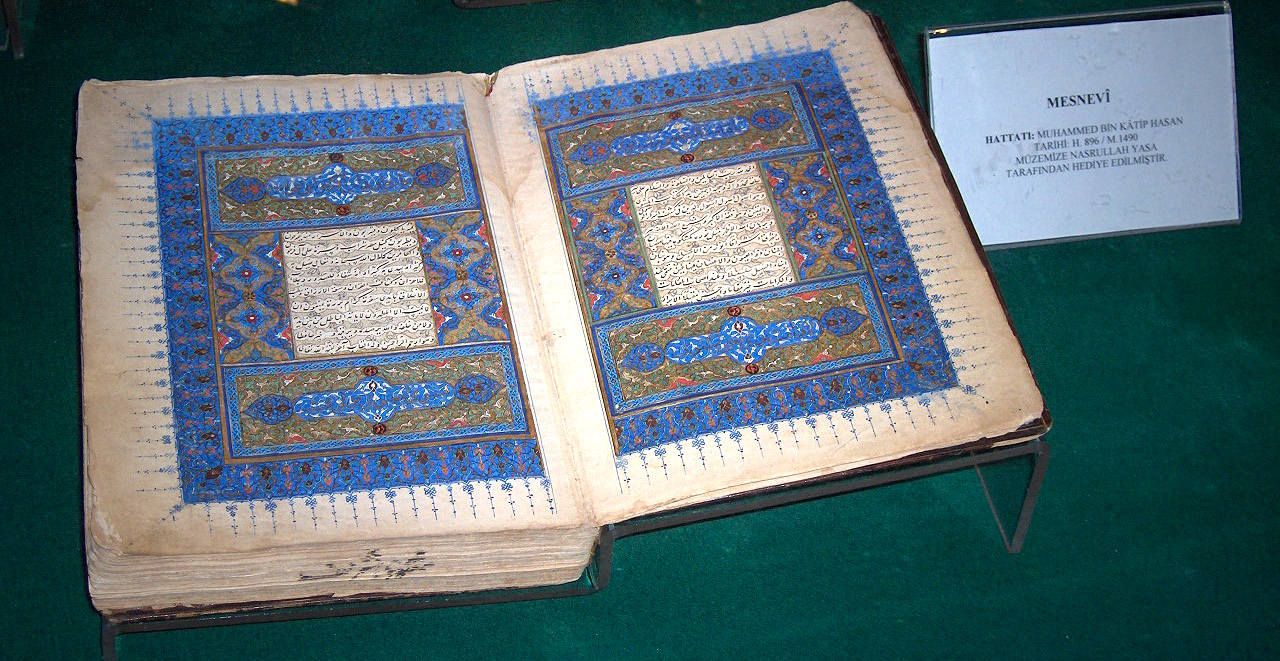
Konya!, dizia o homem que subia e descia o elevador connosco. se tivessemos ido a Konya, ao centro de Rumi, teríamos talvez podido ver o manuscrito de Konya.
Monday, August 12, 2013
violência e mercantilismo
não posso senão radicalizar-me. porque é que não somos livres? mas que pobres somos, lisboa. uma cidade cheia de vazios, fome, pessoas sem casa que se amontoam nos cantos com papelões, um país desmaiado, sufocado pelo sonho europeu. esfarrapados. porque é que aceitamos isto?

porque é que nos serve o modelo americano? porque é que coleccionamos solidões?


o sonho europeu e a realidade. não se trata de direitos humanos mas de unificação económica. não se trata de inclusão, mas de exclusão. a verdade é: vendemo-nos. também acreditei nisto tudo, também comprei o anúncio. --do Dday sobra quase só a violência e o mercantilismo. do sonho europeu sobra o mercantilismo e a ditadura dos mercados. (auto-reguláveis: mas que piada trágica!) desde quando é que nós somos inimigos de alguém? e no entanto embarcámos em guerras contra o 'terror'. mas quem perpetua esse terror?
reduzir tudo a vendas e à mentira das notícias fabricadas, passar os dias a discutir o que diz fulano de tal e não fazer nada. comprar enlatados de tudo: ideias enlatadas, 'literatura' enlatada, 'entertenimento' enlatado, maçãs envernizadas, roupa feita por pobres miseráveis no outro lado do mundo. acreditar que o obama é isto e aquilo, acreditar em eleições livres, acreditar que podemos escolher alguma coisa, que podemos fugir do crédito, dos bufos electrónicos, da próxima prestação e do recibo de cada vez que bebemos uma bica. acreditar que os alemães estão certos e os portugueses errados, que vivemos acima de não sei quê, que temos de estudar para alimentar a 'economia', que a nossa vida toda é economia e tudo se reduz à economia.

Are you jealous of the ocean’s generosity?
Why would you refuse to give
this love to anyone?
Fish don’t hold the sacred liquid in cups!
They swim the huge fluid freedom.
que talvez esteja no enorme livro vermelho que o j. comprou.
mas se não estiver, está aqui: book of love, Rumi.
Subscribe to:
Posts (Atom)


