yumurta ve Başka Dilde Aşk, for searching purposes.
Showing posts with label cinema from the middle east and beyond. Show all posts
Showing posts with label cinema from the middle east and beyond. Show all posts
Wednesday, September 28, 2016

Friday, September 16, 2016
yol, caminho, estada, road
The road and the end
Carl Sandburg
I shall foot it
Down the roadway in the dusk,
Where shapes of hunger wander
And the fugitives of pain go by.
I shall foot it
In the silence of the morning,
See the night slur into dawn,
Hear the slow great winds arise
Where tall trees flank the way
And shoulder toward the sky.
The broken boulders by the road
Shall not commemorate my ruin.
Regret shall be the gravel under foot.
I shall watch for
Slim birds swift of wing
That go where wind and ranks of thunder
Drive the wild processionals of rain.
The dust of the traveled road
Shall touch my hands and face.
- -
continuando a estrada da poesia visto que o descendente está a ser indoctrinado tanto em inglês como em português. a contar versos, sílabas, a saber o nome das várias estrofes e a ler Florbela Espanca. a dizer que os adolescentes não lêem poesia (contraponho veementemente com as letras Grandes de Sam the Kid, Boss AC de quem imprimi o E se fosse contigo), que a poesia é "expressão" de "sentimentos e emoções" de um "eu poético", expressões e ideias século dezanovistas que detesto. gosto de voz, ideia, emoção, momento, imagem. snapshop até, escultura de palavras ou de sons. lemos alguns poemas imagistas onde o tal eu se esfumou na espuma das ondas. ontem ia caindo de costas no sentido mais literal do pensamento com O Espelho de Tarkovsky, o realizador do meu coração. perdi o Solaris mas que interessa, vejo mais tarde de novo e de novo.
e lemos este caminho de Carl Sandburg, o poeta do midwest americano, da energia, de Chicago com os seus prédios erguidos do chão, um favorito. ontem enganei-me e associei Tarik Akan a Yol, induzida em erro por um turco do Instagram. foi Sürü, que ainda tenho de ver. Tarik com o outro 'i' era um actor amado pela nação, um homem bom. imagino que tão querido como o nosso Ruy de Carvalho, mas com o extra da defesa da humanidade, da liberdade, tão importante naquele país. no nosso as lutas passaram a lutas pelos déficits europeus, pela luta dos euros e das dívidas. do mal o menos, que bem estamos afinal.
Sunday, August 21, 2016
Saturday, August 6, 2016
Türküm, doğruyum...
Ali ata bak.
Türküm, doğruyum, çalışkanım. İlkem, küçüklerimi korumak, büyüklerimi saymak, yurdumu, milletimi, özümden çok sevmektir. Ülküm, yükselmek, ileri gitmektir.
Ey büyük Atatürk! Açtığın yolda, gösterdiğin hedefe durmadan yürüyeceğime ant içerim.
Varlığım Türk varlığına armağan olsun. Ne mutlu Türküm diyene !
- -
Friday, August 5, 2016
'Three Monkeys'. 'Şiir gibi bir film'
este filme é como um poema, como aliás tendem a ser os filmes de Ceylan. estou para ver algum em que a mulher não seja culpada de nada. reconheço a moralidade, a mesma do nosso século dezanove, um pouco como ver as mulheres de Camilo a viver no século vinte e um, mas sim, esse é o meu assunto bibelô.
This film is like a poem, just like the Anatolia film and Winter Sleep. Relations between different groups of people are intense, unfair, full of undercurrents and recriminations. The simple man is portrayed once more, this hero of most Turkish fiction, both a victim and a resistant and here interpreted by song star Yavuz Bingöl, above. How is a man to live in such a world? The rich and corrupt, beautifully portrayed by Ercan Kesal, always get the upper hand and theirs is the fault for so many hardships. It's a tough world.
I absolutely love Ceylan's visuals. The near-paintings of the water-edge by the Bosphorus are from the realm of dreams, sometimes nightmares. One can almost feel the cool of the water, the salty smell, the horns and presence of otherwise silent ships, waiting. The subdued colors, greys and dark blues, shadows and night lights on obscure places, what a visual treat. If painting is the closest to poetry, then Ceylan is closest to both.
a good review here.


shattered lives.
Thursday, August 4, 2016
Ali Usta, the simple man ('Dondurmam Gaymak')
How can you give up eggplant salad,
green beans in olive oil...
Pears and grapes
and decide you want to die?
hilarious and well made film about a bay day in the life of a Mugla icecream vendor. a comedy with hints of politics, moral teachings, family life. this is what comedy is all about: the good ones, even though flawed, always win, despite their shortcomings, their manias, their weaknesses. we're human, after all.
and so the story goes: our hero Ali, the icecream vendor, has been utterly preocuppied and obsessing about the threats to his icecream selling business in a small village of Muğla, namely the big chains, the lolipops (nothing but ice, sugar and coloring he says), and the fake packaged icecreams. a note to say that traditional turkish dondurma, icecream, is made with cream but also salep, a flour made from the tubers of a specific orchid, yes that's right, the flower. salep gives a thicker gooey consistency to icecream allowing street vendors to perform their act (here). another note to say that Muğla is a province in south western Turkey on the Aegean coast and is home to some of Turkeys largest, better and most beautiful holiday resorts, such as Bodrum, Ölüdeniz, Marmaris and Fethiye. a bit like the Iberian south, the local population leads (or lead) a simple lifestyle where family and community are important, children roam free, the local priest, in this case Imam, have an educational and cohesion role in the village, where there's us and them, home and everywhere else. the arrival of tourism had a big impact of these populations, confronted with different habits. the scene where Ali is gobsmacked by topless girls at the beach reminds me of the Algarve of the seventies.

Ali is determined to fight the foreign powers and the big companies that are set to ruin his business. he finds the answer in commercials and so he spends a considerable amount of his money in shooting a commercial with three girls in bikini that will air after the evening news. he also purchases a bike that he will use to sell his icecream everywhere, including the most remote villages of the area. Ali is pretty happy with himself. however, the village kids, always on the look for new excitement in their summer vacation, and after exhausting all the fruit they could steal from nearby farmers, turn their attention to Ali and, on his distraction, steal his icecream vending bike. the rest of the day is spent by a stream eating loads of icecream and splashing around in the water. Ali doesn´t have such a good day. he is convinced that the big powers have stolen his bike, so he walks all the way to the beach trying to find it and at the same time accusing local icecream and lolipop vendors of stealing his bike. of course the story will end well and Ali's bike will be recovered, the children will suffer their punishment by means of a serious stomach ache and visit to the doctor and all will return to normal.
some scenes are just hilarious, Ali is such a star. the film has been a major sucess in Turkey, well deservedly. it needs to be said that only the main character is a professional actor, all the others are locals from beautiful Muğla.
and here, by someone else.
all set to go:

Teşekkür ederim! Onu çok sevdim.
a last thought about the conflict simple man / big companies. I have been curious about Turkey's process with the European Union. I don't think Turkey will ever be a part of the EU for many reasons, the most significant being the kind of political process that goes on in Turkey, where forces far wider than the usual European parties thrive. for instance, where would an islamist Turkish party fit in the European parliament? together with the social nacionalists? how strange that is. not to mention the lack of individual freedoms and the dictatorial government in place. another reason is obviously religion. even though European well intentioned texts never tire of mentioning freedom of religion, everyone knows that Muslims are discriminated everywhere in the Western world. the same happens in the East concerning non-Muslims. there is also the great divide between rich and poor in Turkey, not only in terms of money but of culture and education. and then, yes, there's the women issue: honor killings? several wifes? equality? too many issues really. fortunately, the EU promise has been used to improve some institutions (with a grim recent regression).
anyway: when in Turkey I just wished Turkey would never get into the EU, for the most selfish reasons - all of the diversity, crafts, arts, street vending, fruits and vegetables, all the goods from around the incredibly rich country would be withered and stomped on by EU institutions, as it happened with us. everything is measured and standardized now, our fruit tastes of nothing, fishing fleets were killed, everything homemade is illegal and so on. Ali's nighmare come true... In Istanbul, the old freedom can be experienced, the freedom of selling whatever it is that you produce, not constricted by quality rules and standards. I imagine that these standards are wished for by a part of Turkish society but they should know that they come at a price, a loss of innocence.
Wednesday, August 3, 2016
hangi filmler?

Evimin duvarında. hangi filmler biliyor musun?
imagens do 'Yeşilçam'.
et voilà:
"Çiçek Abbas" Şener Şen ve İlyas Salman
"Vesikalı Yarim" İzzet Günay ve Türkan Şoray
"Turist Ömer" filmlerinden bir sahne Sadri Alışık
✮✮✮✮✮✮✮
Size milyonlarca teşekkür ederim!
'nothing can stop a brave child'
'Meu pai, meu filho', a fazer reflectir sobre o que é uma nação, quais as memórias colectivas, as dores comuns e as memórias das gerações. um drama nascido do golpe de 1980, quando... "In total, 50 people were executed, 500,000 were arrested and hundreds died in prison. For the next three years the Turkish Armed Forces ruled the country through the National Security Council, before democracy was restored. curiosamente... This was the last time a true coup attempt was performed by the military until 2016. (da wiki). ainda mais curioso: Erdogan and his generals. ( ve evet, ağladım)
Tuesday, August 2, 2016
onsekiz saat sonra
so, how to put subtitles into youtube vids without being banned from youtube for infringing copyright rules and such. after experimenting with a load of video converters, video editing programs and subtitles programs, after uploading films on youtube and adding the substitles right there, I seem to have come up with the easiest way, provided that there is a subtitles file somewhere out there for you to download that is. so: first find the film on youtube. then search for subtitles file and download it. then open the youtube film on subtitle-horse.com. then upload your subtitles. there you go. you can watch right there. to keep the vid, I stil don't know what to do, but I don't want to keep vids, I just want to watch them. problem solved for now.
and this is how I am finally going to watch Babam ve oglum and, who knows, Üç Maymun,
arkadaşım. tavsiye için teşekkür ederim!
I'm not him, O Ben Değilim by Tayfun Pirselimoğlu
a review, here.
another.
a frase que nunca é dita: eu não sou ele e no entanto é a frase que passa por todo o filme. um filme labirinto, de coincidências, enganos, mentiras, ilusões, incerteza e muita ironia que chega a ser hilariante, apesar do tom submetido, escuro e sujo da imagem. quando li que é um filme sobre a solidão do homem moderno, um número de clichés vem de imediato formatar a expectativa. mas felizmente não é nada disso, é um filme abstracto sem o elemento pessoalizante, apesar da força e carácter do actor principal (a rapariga, como sempre em quase todas as histórias turcas, é um seu adereço, por vezes espelho, por vezes empecilho, mas sempre vazia de vontade e de poder). Saramago escreveu algumas histórias assim, sem contexto, sem nação, sem pessoalização. as personagens não são gente mas figuras de um jogo maior e muitas vezes incompreensível. muito bon, fantástico, particularmente quando de repente o espectador sente de desconforto de entender quase tudo, quando sente a incerteza de planos e de realidades que estão para além do seu conhecimento, quase revelações de um presente vedado aos nossos olhos. esse sentimento, sim, é tudo. era capaz até de dizer que é um filme aristotélico, com um momento de revelação poderoso, não só para o personagem principal mas para os nossos olhos.
Monday, July 4, 2016
Wednesday, May 18, 2016
Sunday, May 15, 2016
'keep going'
Not too long after the film Mustang was released in Turkey last October, its director and co-writer, Deniz Gamze Ergüven, was interviewed by the Nobel prize-winning writer Orhan Pamuk. “He was curious about how I’d lived through its reception,” she says, with a characteristically wide-eyed smile. “Well, I was gloomy. I explained how I’d been attacked. I’d had some very aggressive, negative critiques there [in Turkey], the kind of thing I hadn’t received anywhere else. So I loved his response. First of all, he said that lots of people around him had seen it, and liked it. Then he said: ‘But you will be attacked.’ And he explained why. After all, he knows: he’s had plenty of violent criticism himself. ‘Don’t get depressed,’ he told me. What he was saying was: keep going.”
from the Guardian, here. I can't wait to see Mustang.
Monday, November 17, 2014
winter sleep, Kış Uykusu
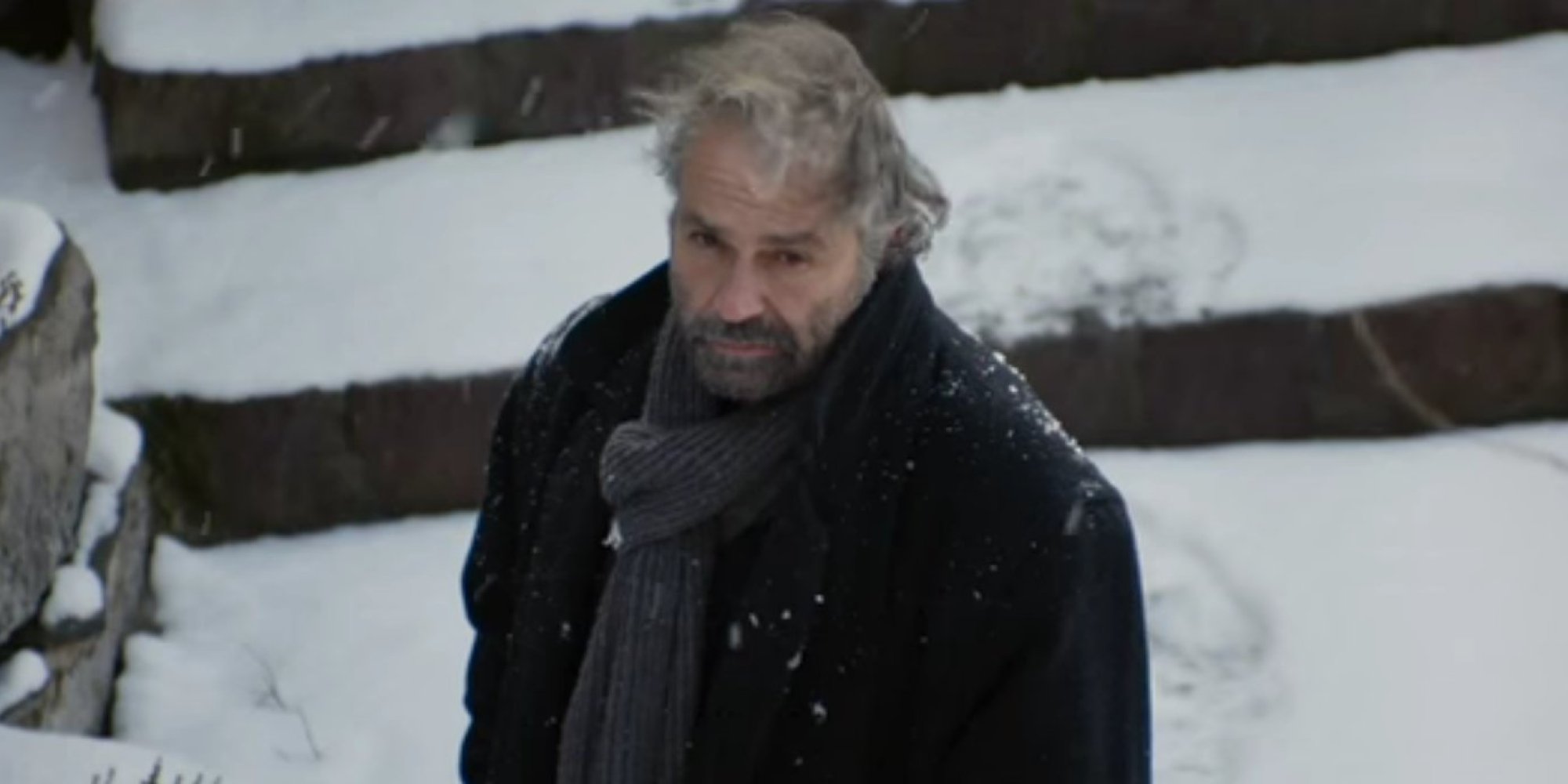
o cinema. há meses longe das salas de cinema, que regresso o meu ao grande ecrã no centro de congressos do estoril para uma obra-prima de mais de três horas. humilhação e arrependimento, aqui está todo o sentido da vida. (posso re-escrever ou acrescentar durante algum tempo, corrigir erros feitos quase a dormir, pensar noutra cena e noutra, relembrar palavras. quis comprar o cd na Istiklal mas estava ainda nos cinemas.)
cada uma das cenas de que me lembro é perfeita. a tensão quase se toca, na plateia. quando o homem dispara na cena de caça, a mulher ao meu lado saltou para trás na cadeira. ninguém é perfeito, mas humano. a minha casa és tu, diz ele. na capadócia.


“The human is a very complex creation. I wanted to show that complexity as it is. All of us are complex. One day you think – this is a very good man. But the next day he becomes very brutal."
“No, some people go to these … entertainments. I like melancholic things better."
daqui.
"I decided to shift towards a more literary type of dialogue, and to see whether Shakespeare and Dostoyevsky could work on the silver screen. Nevertheless, as the dialogue was fairly laborious, I needed professional actors because non-professionals would have had trouble delivering the lines." (o que posso dizer...)
"Trying to understand the human soul is what motivates me to make films."
daqui.
- -
a história foi inspirada por três contos de Chekov, não o teatro, mas essa questão está aberta. Chekov é um todo. se por vezes Ceylan tem silêncios longuíssimos, este sono de inverno lembrou-me Bergman pelo inverno, pelas personagens, pelo tipo de diálogo e por ser um filme de palavras, se isso é possível, poético. o filme anterior é inesquecível, este é uma obra maior que cumpre o desejo do realizador.
quem conhecer a linguagem, reconhecerá imagens de outro lado ou de muitos sítios, de muitos livros, cinema, pintura, fotografia. mas é preciso falar cinema.
por exemplo, esta:

Wednesday, October 1, 2014
leveza até ao fim
Five dedicated to Ozu, Abbas Kiarostami.
(pode haver melhor? neste momento não)

mas afinal havia.
Trieste, Trieste. (quase estiveste no meu mapa, mas era cedo demais)
"Europe has its share of melancholy cities: the citizens of Lisbon take each destructive fire as fate's latest grim joke; Warsaw has been regularly ripped apart by foreign invaders; and it's hard to be cheerful in Trieste or, indeed, Cardiff. But the Istanbullu novelist Orhan Pamuk makes a persuasive, if repetitive, case for his city to be ranked as the most melancholy of all."
(porque é que tenho de levar com o durão, não sei. e com mais uma dúzia de inúteis. sempre tratámos tão bem os escritores. um mimo.) já para não falar da editora que tem cá o nobel mas está a fazer publicidade a um Follett e a um filme de monstros. gosh.
['a magnet for literary types': that would be me]
(what do you do? i read)
Thursday, September 11, 2014
'turizme evet', in İkizdere Valley: A Few Brave People by Rüya Arzu Köksal
admirable film, a few brave people. this is the fight for our lives and we're not winning. 'you're not welcome here', say the people to the forest administrator, fighting for their rivers, their valleys. admirable.


Sunday, September 7, 2014
Unutma Beni İstanbul, or Do not forget me Istanbul
by Hany Abu-Assad, Stefan Arsenijević, Aida Begić, Eric Nazarian, Stergios Niziris, Omar Shargawi, Josefina Markarian.
Vücut, by Mustafa Nuri
The first film of Nicosia born director Mustafa Nuri, Vücut (Human Body) is a sort of study on that theme of the human body with the line of melody carrying the story to its conclusion, the love story. Some images are beatiful but Nuri does not focus on photography, his interest lies in the web of human relationships and how people seen themselves and others.
A complete and excelent review here, by Edgar Chaput.
More here. the site, here.

The feet and legs dialogue is a great moment of the film.
More here.
(e que programa, no Istanbul Modern)
Friday, September 5, 2014
Sivas, by Kaan Müjdeci
que o cinema turco está a viver um momento de boom, parece evidente: inúmeros realizadores jovens, primeiros e segundos filmes, personalidades e cores muito distintas, a poder dizer agora (apesar das notícias) aquilo que não foi possível dizer durante décadas. Ceylan ganhou Cannes, em Veneza está um filme de estreia de Kaan Müjdeci (em Portugal o primeiro jornalista que escrever bem o nome ganha um doce), Sivas. quanto tempo vou ter de esperar por um e por outro? uma eternidade.
Bem dito, bem feito e encontro este texto em the gulf times:
In the days that will follow the opening night, Turkish cinema may well hold centre stage. This is not just 100 years of the country’s movie industry, but also the dawn of a realisation that Turkey is capable of creating some great work on screen.
We saw an example of this last May at Cannes, when Nuri Bilge Ceylan, showed his brilliant Winter Sleep. Tracing the life of a former theatre actor – who grapples with newspaper columns, the small hotel he runs in a remote mountainous region and the moods of his pretty, young wife and divorced sister – Winter Sleep clinched Cannes’s highest trophy, Golden Palm, and later became Turkey’s official Oscar submission in the foreign language category. Not just this, Ceylan and Winter Sleep appear to have nudged the world into wakefulness about Turkish cinema.
Interestingly, this cinema will be quite visible at Venice this year. Veteran Fatih Akin will showcase his The Cut, while newcomer Kaan Mujdeci will unroll his Sivas.
Akin caused a furore last April when he withdrew The Cut from the Cannes Film Festival lineup citing “personal reasons”. The movie starring French actor Tahar Rahim, focuses on the touchy issue of the 1915 genocide of Armenians in Turkey under the Ottomans. The Cut is the final part of Akin’s trilogy called, Love, Death and the Devil. The first two films were Head-On and Edge of Heaven.
While 20 countries see the 1915 mass killing as genocide and hold Ankara responsible for it, the rest of the world ignores this issue, preferring to maintain a relationship with Turkey, which has been living in denial of the whole thing.
And obviously The Cut has become a point of friction between Akin — who now lives in Germany and whose cinema combines political and social criticism with a bit of humour — and Turkish nationalists. The fact that Akin makes great pictures which have won international acclaim does not cut ice in Turkey. For some Turks, the genocide is absolute taboo.
The radicals in Turkey have now called for a boycott of The Cut, competing for the Golden Lion at Venice. They have also issued death threats against Akin, and said he would not be allowed to enter Turkey.
(All this seems like a replay of what is happening in many parts of the world. Iran does not tolerate screen dissent. Jafer Panahi is under house arrest and banned from making movies for a long time. China is as ruthless with helmers who do not toe the official line. In India, films run into problems too: even after they are duly censored, some political organisation or the other finds something to quarrel about and tries its best to stop screenings. There has been a spurt in such incidents of late.)
Akin’s original plan was to direct a movie on the late Armenian journalist, Hrant Dink, who sought a dialogue between Armenia and Turkey. He also wrote a great deal about the genocide. In January 2007, he was shot dead in broad daylight.
His murder shocked and angered both liberal-minded Turks and Armenians, and they demanded the repeal of an Act under which anyone found accusing Turkey of the genocide could be jailed. Even the Nobel Laureate, Orhan Pamuk, was tried for talking about the genocide to a Swiss newspaper. The charges against him were dropped after a huge international outcry.
Given the dangerous trend, it is not surprising that Akin could not find a Turkish actor willing to portray Dink. The director had to give up this project, and take on The Cut – where a young man, Nazareth Manoogian (Rahim), who survives the genocide realises that his daughters may be alive. He search for them takes him to Turkey, Syria, Cuba and the US.
As for Kaan Mujdeci’s Sivas, it is non-controversial. Set in the Anatolian province of Yozgat, Sivas follows the life of an 11-year-old child and his friendship with a fighting dog. The Festival Director, Alberto Barbera, told the media recently that Mujdeci “had great talent. He is a real cineaste and we want him to be better known as a director.”
embora Fatih Akin não conte assim tanto: vive na Alemanha o realizador de Soul Kitchen. dele, para ver: Head-On, de 2004.
- -
e confirmou-se: Prémio Especial do Júri para Sivas.
Il Fatto Quotidiano newspaper said that "'Sivas' is a total immersion in an archaic, peasant world of sheep and grazing, houses carved out of rock and a civilization that seems to have stopped a century ago pivoting on male violence and domination."
"Men are a problem in this world," says Mujdeci, who is based in Berlin. "Everything bad that happens on the planet is due to men whether they be mayors, heads of government or soldiers. I would prefer a world governed by women with a sperm bank for reproduction," he quipped.
daqui.
e uma boa entrevista com Akin sobre The Cut, aqui.
Subscribe to:
Posts (Atom)


