light gazing, ışığa bakmak

Showing posts with label AmLit. Show all posts

Friday, April 15, 2016

Stoner, John Williams


bem arrumadinho como se quer nos academic novels, dos quais temos a Inveja de Mário Avelar, que não li porque desconfio que tudo o resto que ele já escreveu na vida seja melhor.

a minha tiny review no goodreads; "An easy read, a story well told in an almost light way despite it being so dark. The life story of an anonymous man that didn't quite raise to the ranks of Everyman. The literary pages are a sweet treat to literature students and lovers."


Wednesday, February 24, 2016

portrait in words


Imaginary August
C.D. Wright

If one stood perfectly still. Even in the withering hours
of then. Hair down to here. Being alive and quiet.
One could forget oneself. Forget what one didn’t even recognize.
How mad it felt. Subliminally. One could pick out goldfinches
and mourning cloaks among the dying stalks of cosmos,
and across the ditch of gray wastewater they use to irrigate
the burial ground, a young man in a late-flowering tree
taking our photograph.

- -

Monday, October 19, 2015

The problem of describing color

THE PROBLEM OF DESCRIBING COLOR
Robert Hass

If I said – remembering in summer,
The cardinal’s sudden smudge of red
In the bare gray winter woods –

If I said, red ribbon on the cocked straw hat
Of the girl with pooched-out lips
Dangling a wiry lapdog
In the painting by Renoir –

If I said fire, if I said blood welling from a cut –

Or flecks of poppy in the tar-grass scented summer air
On a wind-struck hillside outside Fano –

If I said, her one red earring tugging at her silky lobe,

If she tells fortunes with a deck of fallen leaves
Until it comes out right –

Rouged nipple, mouth –

(How could you not love a woman
Who cheats at the Tarot?)

Red, I said. Sudden, red.

- -

Saturday, October 17, 2015

silvery glitter

Autumn
Amy Lowell
from Pictures of the Floating World, 1919

All day I have watched the purple vine leaves
Fall into the water.
And now in the moonlight they still fall,
But each leaf is fringed with silver.

- -

Tuesday, October 13, 2015

Wednesday, November 12, 2014

where is ana?

casa cheia para ouvir Laurie Anderson. na fila atrás de mim estava o meu querido antigo e mais recente professor (lit e arte), Mário Avelar.

Thursday, November 6, 2014

not one

Autumn movement
Carl Sandburg

I cried over beautiful things knowing no beautiful thing lasts.

The field of cornflower yellow is a scarf at the neck of the copper
   sunburned woman, the mother of the year, the taker of seeds.

The northwest wind comes and the yellow is torn full of holes,
   new beautiful things come in the first spit of snow on the northwest wind,
   and the old things go, not one lasts.


- -

Friday, October 17, 2014

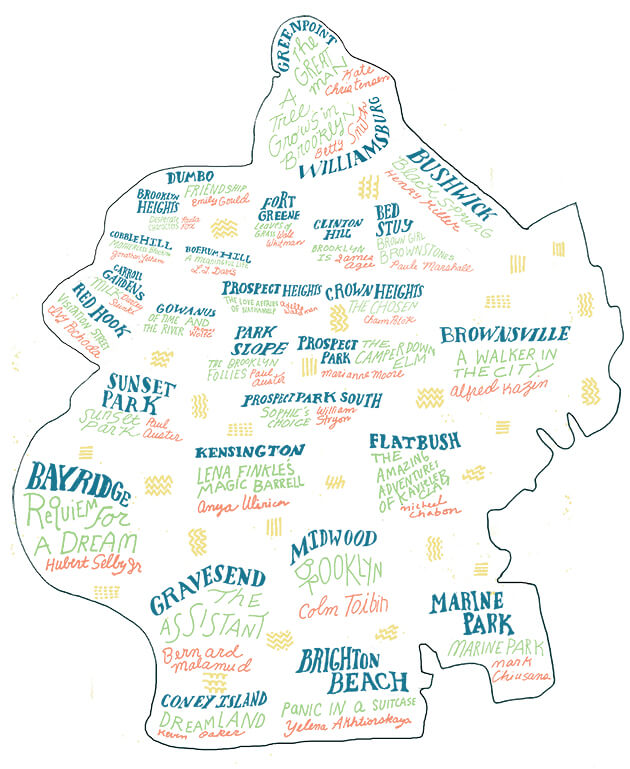
mapping the hood

from here.

from here.

and what a reading list, omg. as i understand it, the choice of books is purely illogical and unrelated to market or other weird values, and because of that, it is instantly wonderful. thumbs up.

(funny ohboy they think like me kind of moment: "but those maps tend to signify the fame level of the books rather than their literary merit; they also tend to be dominated by white men, most of them dead.")

strange choices: Washington and Sherman Alexie, Massachusets and the Bell Jar.


Monday, September 1, 2014

modificações da sensibilidade

autor(a) desconhecido mas le voilà:

Modificações da sensibilidade
Algumas características são comuns ao que se tem chamado literatura pós-moderna, quer seja na ficção quer na poesia. Na ficção, destacam-se Thomas Pynchon e John Barth e as obras que publicaram nos finais dos anos sessenta e durante a década de setenta. Ambos abordam uma temática apocalíptica e em ambos se utilizam extensivamente jogos verbais e uma aproximação experimental à linguagem, esvaziada de conteúdo. A escrita de ambos é ainda, como a escrita pós-moderna em geral, auto-reflexiva: a realidade exterior esbate-se e a contextualização social, geográfica e temporal dá lugar ao contexto da própria escrita. Assim, são frequentes as narrativas em locais imaginários, em condições históricas falsas. A escrita tende também a debruçar-se sobre a sua própria produção, sendo relativamente comum o esbatimento de fronteiras entre a ficção e a meta-ficção, entre a literatura e a crítica.
Estas características repetem-se na poesia, particularmente em Robert Creeley, e no teatro, então sob forte influência de Samuel Beckett e do teatro do absurdo europeu como Ionesco, Pinter, Stoppard. Nos Estados Unidos, Edward Albee foi o representante desta época muitas vezes chamada pós-atómica, tendo escrito peças marcantes como Quem Tem Medo de Virginia Woolf?

Contracultura dos anos sessenta
A contracultura dos anos sessenta é por vezes balizada entre 1965 e 1972. As tensões que se foram acumulando durante os anos sessenta na sociedade norte-americana, e que tinham a ver com grandes mudanças que se desejavam e anteviam em quase todas as facetas da vida como sexo, o estatuto da mulher e das minorias, relacionamento entre raças, liberdade de expressão, democracia, conheceram o seu pico nos anos de contestação à guerra do Vietname.
Em termos de literatura, duas reacções são imediatamente reconhecíveis: a que podemos considerar pessimista de Pynchon (entropia, um caminhar inexorável para o caos), com alusões apocalípticas e onde não se adivinham soluções mas antes destruição; e a revolucionária, das minorias, quer estas sejam minorias de género ou de raça. O pós-modernismo não abre possibilidades: ou as destrói ou as cria.

New York School of Poets
A New York School of Poets foi um grupo literário baseado em Nova Iorque durante os anos sessenta influenciado pelo surrealismo e pelo modernismo, particulamente na pintura. A associação entre a poesia e a pintura foi um dos elementos caracterizadores deste grupo que, de certo modo, gravitava em torno de Frank O’Hara. Todos os poetas que se costuma associar a este grupo estavam ligados de um modo ou de outro às artes plásticas (e a pintores como de Kooning, Jackson Pollock e Cy Twombly.) Foi Frank O’Hara que escreveu o texto crítico definidor do que ele próprio entendia por poesia: “Personism: A Manifesto”. Num tom irónico e coloquial, afirma que não há estruturas nem regras para a poesia, tudo faz parte da poesia a qual estabelece uma relação entre duas pessoas e não entre duas páginas. Esse tom coloquial será também o tom dos seus poemas com uma linguagem semelhante à oralidade. O objecto da poesia são todas as coisas, objectos, mesmo aqueles que estiveram até então fora do âmbito da literatura: “I stop for a cheeseburger at JULIET'S / CORNER. Giulietta Maina, wife of/ Federico Fellini, é bell' attrice. / And chocolate malted. A lady in / foxes on such a day puts her poodle / in a cab”, no poema “A Step Away From Them” . O espaço que o poeta privilegia é o da cidade, urbana, movimentada e viva, muito distante da “Waste Land” de T.S. Eliot.  Se se excluir o espaço geográfico, que se restringia à cidade de Nova Iorque da qual se fazia a apologia, torna-se clara a influência e a importância que tiveram da poetas da New York School para os autores da Beat Generation.

Nesse contexto, é interessante o comentário de Allen Ginsberg ao poema “A Step Away from Them”, de O’Hara: “He [O’Hara] integrated purely personal life into the high art of composition, marking the return of all authority back to the person. His style is actually in line with the tradition that begins with Independence and runs through Thoreau and Whitman, here composed in a metropolitan spaceage architecture environment.’He [O’Hara] taught me to really see New York for the first time, by making of the giant style of Midtown his intimate cocktail environment. It’s like having Catullus change your view of the Forum in Rome.”
A Nova Iorque de O’Hara neste poema de 1956 foi vista por Ginsberg, e dedicada a O’Hara, no poema “My Sad Self”, de 1958.


Thursday, May 29, 2014

'don't anther'


The Panther
By Ogden Nash

The panther is like a leopard,
Except it hasn't been peppered.
Should you behold a panther crouch,
Prepare to say Ouch.
Better yet, if called by a panther,
Don't anther.


Sunday, May 18, 2014

portrait of a woman

"The woman was attractive, with her long dark hair and her fair complexion(...)

"The young man was out in the yard behind the trailer and she was just coming out the front door with a cigarette in her mouth, wearing a tight pair of white jeans and a man's white undershirt."

Raymond Carver em "What do you do in San Francisco?" in Where I'm Calling From.

a sun drenched portrait.

the Great American Novel não era grande nem novel, mas são as curtas cortantes exactas histórias de Raymond Carver.

o carteiro da história lembra-me o homem das fotografias de One Hour Photo.

o modo oblíquo de caracterizar o carteiro lembra-me O rio da minha aldeia de Caeiro / Pessoa.

o carteiro lembra-me loucamente o narrador de A Rose for Emily e não duvido que Faulkner tenha sido uma poderosa influência em Carver (who cares about literary criticism tags).

existe uma relação de cores quase perfeita entre as histórias de Carter e as de Hopper (até na imagem do homem à janela e na descrição da luz).


"but standing behind the window and looking out at me through the curtain"

(eu digo-lhe: conseguir apanhar aquilo que se podia dizer ser a realidade mais verdadeira)

Tuesday, January 14, 2014

sara eliza johnson

Letter from the ice field, December

In the dream, you stand at the end
of the field beyond the house.

You bury something.
Your hands glow like milk in the dark.

You bend, your shovel lifts pieces
of moonlight into the air.

I try to call you inside
but my mouth locks with frost.

The room of the skull floods with snow.
I have forgotten how you sound.

Your hands fall like milk
into the well of darkness you dig

and I cannot see beyond it.
This is to say, I wake

with a deeper void. I am beginning
to see the body as a well

and your absence as a thirst
that pushes its hands

down my throat, lifts the bucket,
drinks and drinks. A saint said

when the dead visit us in dreams
they cannot know what they do.

You came to the field.
You cut off your ears.

Your hands fell through me—
two lights I almost broke

in half wanting. Tell me
what you thought you were doing

when you tried to lay your body
into that ground.

- -

que tirei da boston review. all these boston poets and poetry minded people that I like so much.
poet's blog, hyacinth girl-

o poder de...: enregelar quando se lê ou vê alguma coisa relacionada. a neve mais bonita que vi recentemente foi a apresentação do ballet de Anna Karenina. a neve da estação de The Grandmaster, a neve, outra neve, de Kiarostami. saudades de minnesota e do caderno em branco com traços, a verdadeira neve, ler um livro e ficar a tremer de frio.


Saturday, December 28, 2013

Friday, July 5, 2013

que nunca pensei fazer na vida:

citar Becket via fb.

Vladimir: Was I sleeping, while the others suffered? Am I sleeping now? Tomorrow, when I wake, or think I do, what shall I say of today? That with Estragon my friend, at this place, until the fall of night, I waited for Godot? That Pozzo passed, with his carrier, and that he spoke to us? Probably. But in all that what truth will there be? (Estragon, having struggled with his boots in vain, is dozing off again. Vladimir looks at him.) He'll know nothing. He'll tell me about the blows he received and I'll give him a carrot. (Pause.) Astride of a grave and a difficult birth. Down in the hole, lingeringly, the grave digger puts on the forceps. We have time to grow old. The air is full of our cries. (He listens.) But habit is a great deadener. (He looks again at Estragon.) At me too someone is looking, of me too someone is saying, He is sleeping, he knows nothing, let him sleep on. (Pause.) I can't go on! (Pause.) What have I said?

-- SAMUEL BECKETT, Waiting for Godot

- -
e porque apesar de muito se ter dado ao dedo caligraficamente ou otherwise-- Becket foi devastador. depois dele fica-se em silêncio e por muito tempo. não sabia o que se ia passar a seguir e pensava, eu, que tudo se tinha tornado impossível, mas nunca nada acaba. morre-se e continua-se a viver, como o disse ele próprio. e mais tarde o mercantilismo livreiro americano.  se antigamente estávamos, nós, menos expostos por sermos pequenos, hoje é mesmo por isso que estamos mais expostos. comparar Pamuk a escritores americanos contemporâneos (McCarthy por ex.) e vê-se com facilidade que a apropriação da literatura pelo capitalismo foi um casamento desastroso. curiosamente a literatura floresce na ditadura ou no caos mas morre não só na pobreza como na riqueza exagerada. não, um escritor não é uma marca.


Wednesday, July 3, 2013

coincidências históricas

que o movimento de libertação das mulheres tenha andado paralelamente ao movimento dos direitos civis dos negros americanos e que o movimento dos direitos dos índios norte-americanos tenha acompanhado os movimentos hippies. hoje, os movimentos pró-democracia dos países árabes acompanham os movimentos de saturação das democracias dos países ocidentais.


Wednesday, June 5, 2013

velhice

ler Avelar a ler Simic.

(por acaso é capaz de ser qualquer coisa: os americanos são ainda livres na poesia, onde as editoras têm mais dificuldade em cravar a dentuça)


Monday, June 3, 2013

Willa Cather

Sonnet

Alas, that June should come when thou didst go;
I think you passed each other on the way;
And seeing thee, the Summer loved thee so
That all her loveliness she gave away;
Her rare perfumes, in hawthorn boughs distilled,
Blushing, she in thy sweeter bosom left,
Thine arms with all her virgin roses filled,
Yet felt herself the richer for thy theft;
Beggared herself of morning for thine eyes,
Hung on the lips of every bird the tune,
Breathed on thy cheek her soft vermilion dyes,
And in thee set the singing heart of June.
And so, not only do I mourn thy flight,
But Summer conies despoiled of her delight.

- -
um soneto de Willa Cather, via writer's almanac (que nome vintage. há palavras vintage? pois há), com quem, confesso, tive um affair de meio ano, ou foi um ano. parei a dois livros da obra completa, seria? um soneto que não reflecte totalmente o calor do sol das pradarias do midwest nem as tempestades de neve. em português, que originalidade, o primeiro livro em português que aparece no wook é um livro sobre Willa Cather (na fnac pt então é o déluge). não temos definitivamente espírito de fronteira terrestre. também nos cursos de literatura americana portugueses não creio de Willa Cather seja incluída mas deus nos livre de esquecer kerouac.


seja como for: recomendo vivamente.

por acaso... um site exemplar e também vivamente recomendado (por mim). quem dera haver páginas destas com os nossos autores.

Friday, May 31, 2013

loving Billy Collins (as usual)

"While the novelist is banging on his typewriter, the poet is watching a fly in a windowpane."
daqui

Tuesday, May 14, 2013

mariners, mar aberto

“A labour-saving device for mariners, navigation reduced to kindergarten simplicity,” he answered gaily.  “From to-day a child will be able to navigate a ship.  No more long-winded calculations.  All you need is one star in the sky on a dirty night to know instantly where you are.  Look.  I place the transparent scale on this star-map, revolving the scale on the North Pole.  On the scale I’ve worked out the circles of altitude and the lines of bearing.  All I do is to put it on a star, revolve the scale till it is opposite those figures on the map underneath, and presto! there you are, the ship’s precise location!”
There was a ring of triumph in his voice, and his eyes, clear blue this morning as the sea, were sparkling with light.
“You must be well up in mathematics,” I said.  “Where did you go to school?”
“Never saw the inside of one, worse luck,” was the answer.  “I had to dig it out for myself.”

Jack London no cap. 10 de The Sea-Wolf.
those were the days.

o livro pode ser todo lido aqui (embora não seja a mesma coisa)


Share