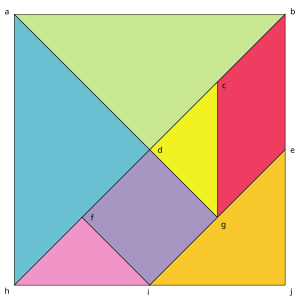
As imagens exóticas, os símbolos, um outro mundo, ficções. Foi construída uma réplica do barco de Sinbad, o Sohar. Inevitavelmente essa réplica baseou-se numa descrição encontrada num documento português do século XVI. Antes que a Disney lá chegue, estes dias vão ser vividos com as sete viagens de Sindbad, o marinheiro.
Histórias e lendas antigas, com ecos de Homero: histórias persas com folklore indiano, histórias de Badgade do século X e histórias da idade média no Egipto. Contadas e recontadas, registadas muitas vezes. Apenas o romantismo as fixou, Galland e Burton, o exotismo paternalista de uma Europa que ocupava a terra de origem dos mitos que importava. A origem deverá estar por volta do ano oitocentos. E daqui levo algumas janelas: "The Thousand and Second Tale of Scheherazade" de Poe, as mil e uma versões dos contos de Scheherazade. Truth is stranger than fiction. ("By the way, are you aware that Godwin wrote his 'Caleb Williams' backwards?" em Philosophy of Composition)
'I am a very old man, and have not been blessed with a son,' went on my benefactor. 'Yet I have a young and beautiful daughter, who on my death will be sole mistress of my fortune. If you will have her for your wife, you will inherit my wealth and become chief of the merchants of this city.'
I readily consented to the sheikh's proposal. A sumptuous feast was held, a cadi and witnesses were called in, and I was married to the old man's daughter amidst great rejoicings. When the wedding guests had departed I was conducted to the bridal chamber, where I was allowed to see my wife for the first time. I found her incomparably beautiful, and rejoiced to see her decked with the rarest pearls and jewels.
My wife and I grew to love each other dearly, and we lived together in hapiness and contentment. Not long afterwards my wife's father died, and I inherited all his possessions. His slaves became my slaves and his goods my goods, and the merchants of the city appointed me their chief in his place.
One day, however, I discovered that every year the people of that land experienced a wondrous change in their bodies. All the men grew wings upon their shoulders and for a whole day flew high up in the air, leaving their wives and children behind. Amazed at this prodigy, I importuned one of my friends to allow me to cling to him when he next took his flight, and at length prevailed on him to let me try this novel adventure. When the long-awaited day arrived, I took tight hold of my friend's waist and was at once carried up swiftly in the air. We climbed higher and higher into the void until I could hear the angels in their choirs singing hymns to Allah under the vault of heaven. Moved with awe, I cried: 'Glory and praise eternal be to Allah, King of the Universe!'
Scarcely had I uttered theses words when my winged carrier dropped headlong through the air and finally alighted on the top of a high mountain. There he threw me off his back and took to the air again, calling down curses on my head. Abandoned upon this desolate mountain, I lifted my hands in despair and cried: 'There is no strength or help save in Allah! Every time I escape from one ordeal I find myself in another as grievous. Surely I deserve all that befalls me!'
Whilst I was thus reflecting upon my plight, I saw two youths coming up towards me. Their faces shone with an unearthly beauty, and each held a staff of red gold in his hand. I at once rose to my feet, and, walking towards them, wished them peace. They returned my greetings courteously, and I inquired: 'Who are you, pray, and what object has brought you to this barren mountain?'
'We are worshippers of the True God,' they replied. With this, one of the youths pointed to a certain path upon the mountain and, handing me his staff, walked away with his companion.
Bewildered at these words, I set off in the direction he had indicated, leaning upon my gold staff as I walked. I had not gone far when I saw coming towards me the flyer who had so unceremoniously set me down upon the mountain. Determined to learn the reason of his displeasure, I went up to him and said gently: 'Is this how friends behave to friends?'
The winged man, who was now no longer angry, replied: 'Know that my fall was caused by your unfortunate mention of your god. The word has this effect upon us all, and this is why we never utten it.'
I assured my friend that I had meant no harm and promised to commit no such transgression in the future. Then I begged him to carry me back to the city. He took me upon his shoulders and in a few moments set me down before my own house.
My wife was overjoyed at my return, and when I told her of my adventure, she said: 'We must no longer stay among these people. Know that they are the brothers of Satan and have no knowledge of the True God.?
'How then did your father dwell amongst them?' I asked.
'My father was of an alien race,' she replied. 'He shared none of their creeds, and he did not lead their life. As he is now dead, let us sell our possessions and leave this blasphemous city.'
Thereupon I resolved to return home. We sold our houses and other property, and hiring a vessel set sail with a rich cargo.
Aided by a favouring wind, we voyaged many days and nights and at length came to Basrah and thence to Baghdad, the City of Peace. I conveyed to my stores the valuables I had brought with me, and, taking my wife to my own house in my old street, rejoiced to meet my kinsfolk and my old companions. They told me that this voyage had kept me abroad for nearly twenty-seven years, and marvelled excedingly at all that had befallen me.
I rendered deep thanks to Allah for bringing me safely back to my friends and kinsfolk, and solemnly vowed never to travel again by sea or by land. Such, dear guests, was the last and longest of my voyages.
When the evening feast was ended, Sindbad the Sailor gave Sindbad the Porter a hundred pieces of gold, which he took with thanks and blessings and departed, marvelling at all he had heard.
The porter remained a constant visitor at the house of his illustrious friend, and the two lived in amity and peace until there came to them the Spoiler of wordly mansions, the Dark Steward of the graveyard; the Shadow which dissolves the bonds of friendship and ends alike all joys and all sorrows."
"The Last Voyage of Sindbad the Sailor",translated and abridged, by N.J. Dawood, for Penguin's 60s.
Wednesday, April 30, 2008
porque é que gosto de Sinbad, o marinheiro


Tuesday, April 29, 2008
Um Pequeno Gesto na Antena 1
E o ficheiro de som em .wma, com cerca de 9MB. Para ouvir basta fazer o download e Abrir em vez de Salvar. Não tem vírus! Reportagem da Antena 1 sobre o projecto de apadrinhamento de crianças Um Pequeno Gesto Uma Grande Ajuda, em Xai Xai, Moçambique.
Um Pequeno Gesto Uma Grande Ajuda - Associação
Tlm. +351 918 878 020
E-Mail: geral@umpequenogesto.org
www.umpequenogesto.org
---
Um beijinho especial ao meu irmão Jorge.
Monday, April 28, 2008
variações (Quartet in Autumn by Barbara Pym)
Sempre me atraiu bastante a ideia de variações, a combinação de um número muito reduzido de elementos em conjuntos sucessivos. O número desses conjuntos é finito na maior parte das áreas, mas quase infinito quando as variações são implicam gente. Muito das artes se sustem neste conceito de combinação de elementos, mais tradicionalmente a música. Mas o teatro sobretudo o minimalista (especulo nada mais), as imagens, e a escrita em geral. Uma mão espartana de elementos que se movimentam em combinações sucessivas, dentro de um espaço fechado. Muitas vezes tenho lido que a inibição na arte, seja ela qual for, pode ser mais produtiva do que a liberdade. Não sei, mas o despir de inutilidades e decorações para se jogar apenas com uns poucos essenciais atrai-me. Isto mesmo foi o que li em Quarteto no Outono, de Barbara Pym, a autora menos passível do universo de ser envolvida em especulações deste tipo, e daí talvez não. A escritora do detalhe e do mundo pequeno dos reformados; do bairro, do pequeno funcionário de escritório, dos objectos inúteis e parcos de um quotidiano pobre e carente, e que acaba por brincar, manipulando uma espécie de tangram de vidas. Não é por acaso, nem pouco mais ou menos, que esta obra se chama "Quarteto no Outono". Melhor nome seria mesmo impossível: um livro fascinante.

Larkin meets Eliot meets Auden meets Dylan Thomas..
An interview to keep, here.
Larkin and Pym:"I suppose I used to write many more letters than I do now, but
so did everyone. Nowadays I keep up with one or two people, in
the sense of writing when there isn’t anything special to say. I love
getting letters, which means you have to answer them, and there
isn’t always time. I had a very amusing and undemanding correspondence
with the novelist Barbara Pym, who died in 1980, that
arose simply out of a fan letter. I wrote her and went on for over
ten years before we actually met. I hope she liked getting my letters,
I certainly liked hers. "
Larkin meets...:
"INTERVIEWER
Did you ever meet Eliot?
LARKIN
I didn’t know him. Once I was in the Faber offices—the old
ones, 24 Russell Square, that magic address!—talking to Charles
Monteith, and he said, Have you ever met Eliot? I said no, and to
my astonishment he stepped out and reappeared with Eliot, who
must have been in the next room. We shook hands, and he
explained that he was expecting someone to tea and couldn’t stay.
There was a pause, and he said, I’m glad to see you in this office.
The significance of that was that I wasn’t a Faber author—it must
have been before 1964, when they published The Whitsun
Weddings—and I took it as a great compliment. But it was a shattering
few minutes, I hardly remember what I thought.INTERVIEWER
What about Auden? Were you acquainted?
LARKIN
I didn’t know him, either. I met Auden once at Stephen
Spender’s house, which was very kind of Spender, and in a sense he
was more frightening than Eliot. I remember he said, Do you like
living in Hull? and I said, I don’t suppose I’m unhappier there than
I should be anywhere else. To which he replied, Naughty, naughty.
I thought that was very funny.
But this business of meeting famous writers is agonizing; I had
a dreadful few minutes with Forster. My fault, not his. Dylan
Thomas came to Oxford to speak to a club I belonged to, and we
had a drink the following morning. He wasn’t frightening. In fact,
and I know it sounds absurd to say so, but I should say I had more
in common with Dylan Thomas than with any other “famous
writer,” in this sort of context. "
Sunday, April 27, 2008
assento sólido
De soldadura, por Tomás Libertini.
“I was exploring further my methodology of layering matter, slowness and growth. In general, a weld is much tougher than the metal parts which it joins. These objects were done by using a welding gun only as a building tool. Bits of welding solder were added on top of each other one by one.” (daqui)


aliviando: a fronteira invisível
"Si si, j'utilise toujours de l'eau. Mais il est difficile de revenir sur de l'aquarelle. Or, j'ai besoin de faire des couches et des couches, je n'arrive jamais à terminer mes planches, je reviens toujours dessus. J'ai le sentiment que ce que je fais la première fois n'est pas terrible. Je mets presque trois jours par planche, rien que pour la mise en couleur. Certains diront : quoi, il a passé trois jours là-dessus ? Ça ne se voit pas ! Mais je sais que j'ai besoin de ça, peut-être à cause des doutes que j'ai quand je travaille. De toute façon, c'est tout ce que j'espère, que le travail ne se laisse pas voir." (Schuitten, aqui) De vez em quando comprar um livro é um acontecimento.
No Centro de Cartografia de Sodrovno-Voldachie, Roland de Cremer e o seu cão. O link dos links.


Saturday, April 26, 2008
major seca, major pain, major boredom these spinsters
Assim são vistas muitas vezes as mulheres ditas lutadoras, ou aquelas que "abraçam" causas, só a expressão já abraça o arrepio. Solidariedade que vai dum passo à caridade, ao chá, à tua tarte por Darfur. Back to TV, talvez agora que o espaço me pertence novamente.
Tonight on CNN, I watched the first part of a four episode series called "Trapped", by Michelle Mildwater, on human trafficking.
---
"Each year an estimated 2 million women and children are tricked, beaten, raped and forced by threat of death into the world’s growing sex industry. This heartbreaking and visually breathtaking film follows women selling sex from the cold, lonely streets of Europe to the blistering villages in Africa they can never again call home. If you only watch one film this year, make it this one.
“You can run, but you can’t hide” say the girls, who night after night sell themselves to an endless stream of men. In filthy brothels or parked cars they ply their soulless trade. Street fights are common, as desperate girls steal money from clients to help pay their debts. This film captures first hand the violence and eeriness of life working on the streets.
Michelle Mildwater specializes in trauma. Her exceptional sensitivity allows two women - Anna and Joy – to tell their horrific stories. In the glaring light of a refugee prison we meet Joy, trafficked to Europe where she was imprisoned for fraud. When Joy gives up her hopeless quest for asylum and is deported back to Nigeria, we follow her back to the steaming slums of Lagos.
Anna was trafficked from her village in Nigeria to Europe by trusted next door neighbours. When she finally arrived she was locked in a flat with five other Nigerian women under the control of a Madam, who stole her passport and told her she owed 60,000 euros. Anna was forced into prostitution to start repaying this debt, and when she tried to run away, Russian thugs nearly beat her to death.
Through her tears Anna tells us “I went with one man to his place. When I got there, it was eight of them. They all go round and sleep with me. I can call that rape. But I was so scared to go to the police because if I went to the police, they would send me back to Africa”.
Michelle travels to Africa to find out for herself why these women are so scared to go back. Shockingly, in every village mothers try to give her their young girls to take to back to Europe. One woman says her daughters are in Europe doing “hairdressing, fashion design. Because they have gone to the white man’s land, we are happy”. Michelle draws another conclusion: “Here in the villages the truth is never told. Everyone wants to retain the illusion, that Europe is a paradise. And that their daughters are earning money doing some kind of really fancy job”.
Michelle meets up with Anna again. She is on the run. The traffickers have beaten her mother poured boiling water on her father, saying they will kill her parents if Anna doesn’t go back to prostitution in Europe. Anna is also terrified by the voodoo rituals the traffickers forced her to take part in. She had to eat live chicken and the voodoo priest took her hair and blood. Women’s rights worker Bisi Olateru-olagbegi explains this powerful ritual: “When somebody is holding your body parts that person has some connection with you. It’s like poison. That makes the girls so afraid of renouncing the traffickers, because the repercussions of oath breaking are death and madness”.
The film ends with Anna pleading on the phone with her own mother not to make her go back into prostitution. “Ten people will fuck you and at the end you get no money. All the pain. “No” I say. I don’t want to work on the street anymore. It’s not for me”.
Anja Dalhoff
daqui
afinal sou assim porque
"Skilled reading is usually thought to be a matter of discerning what is there, but if the example of my students can be generalized, it is a matter of knowing how to produce what can thereafter be said to be there. Interpretation is not the art of construing but the art of constructing. Interpreters do not decode poems: they make them.
(...)
The conclusion, therefore, is that all objects are made and not found, and that they are made by the interpretative strategies we set in motion. This does not, however, commit me to subjectivity because the means by which they are made are social and conventional."
in "How to recognize a poem when you see one", Stanley Fish.
Ainda agora com quatro, já faz sozinho o pequeno-almoço. Os meus vizinhos da frente compraram um cão. Só eles na rua não tinham. As crianças saíram da cama cedíssimo esta manhã, ainda não eram oito horas e já estavam vestidas e na rua a brincar com o cachorro. The integral Fish text here. Algumas coisas deram-me mesmo prazer ler, esta deve ter sido uma delas. Brincadeiras. E mais um pedaço.
"On the day I am thinking about, the only connection between the two classes was an assignment given to the first which was still on the blackboard at the beginning of the second. It read:
Jacobs-Rosenbaum
.......... Levin
......... Thorne
..........Hayes
........ Ohman (?)
[3] I am sure that many of you will already have recognized the names on this list, but for the sake of the record, allow me to identify them. Roderick Jacobs and Peter Rosenbaum are two linguists who have coauthored a number of textbooks and coedited a number of anthologies. Samuel Levin is a linguist who was one of the first to apply the operations of transformational grammar to literary texts. J. P. Thorne is a linguist at Edinburgh who, like Levin, was attempting to extend the rules of transformational grammar to the notorious ir-regularities of poetic language. Curtis Hayes is a linguist who was then using transformational grammar in order to establish an objective basis for his intuitive impression that the language of Gibbon's Decline and Fall of the Roman Empire is more complex than the language of Hemingway's novels. And Richard Ohmann is the literary critic who, more than any other, was responsible for introducing the vocabulary of transformational grammar to the literary community. Ohmann's name was spelled as you see it here because I could not remember whether it contained one or two n's. In other words, the question mark in parenthesis signified nothing more than a faulty memory and a desire on my part to appear scrupulous. The fact that the names appeared in a list that was arranged vertically, and that Levin, Thorne, and Hayes formed a column that was more or less centered in relation to the paired names of Jacobs and Rosenbaum, was similarly accidental and was evidence only of a certain compulsiveness if, indeed, it was evidence of anything at all.
[4] In the time between the two classes I made only one change. I drew a frame around the assignment and wrote on the top of that frame "p. 43." When the members of the second class filed in I told them that what they saw on the blackboard was a religious poem of the kind they had been studying and I asked them to interpret it. Immediately they began to perform in a manner that, for reasons which will become clear, was more or less predictable. The first student to speak pointed out that the poem was probably a hieroglyph, although he was not sure whether it was in the shape of a cross or an altar. This question was set aside as the other students, following his lead, began to concentrate on individual words, interrupting each other with suggestions that came so quickly that they seemed spontaneous. The first line of the poem (the very order of events assumed the already constituted status of the object) received the most attention: Jacobs was explicated as a reference to Jacob's ladder, traditionally allegorized as a figure for the Christian ascent to heaven. In this poem, however, or so my students told me, the means of ascent is not a ladder but a tree, a rose tree or rosenbaum. This was seen to be an obvious reference to the Virgin Mary who was often characterized as a rose without thorns, itself an emblem of the immaculate conception. At this point the poem appeared to the students to be operating in the familiar manner of an iconographic riddle. It at once posed the question, "How is it that a man can climb to heaven by means of a rose tree?" and directed the reader to the inevitable answer: by the fruit of that tree, the fruit of Mary's womb, Jesus. Once this interpretation was established it received support from, and conferred significance on, the word "thorne," which could only be an allusion to the crown of thorns, a symbol of the trial suffered by Jesus and of the price he paid to save us all. It was only a short step (really no step at all) from this insight to the recognition of Levin as a double reference, first to the tribe of Levi, of whose priestly function Christ was the fulfillment, and second to the unleavened bread carried by the children of Israel on their exodus from Egypt, the place of sin, and in response to the call of Moses, perhaps the most familiar of the old testament types of Christ. The final word of the poem was given at least three complementary readings: it could be "omen," especially since so much of the poem is concerned with foreshadowing and prophecy; it could be Oh Man, since it is mans story as it intersects with the divine plan that is the poem's subject; and it could, of course, be simply "amen," the proper conclusion to a poem celebrating the love and mercy shown by a God who gave his only begotten son so that we may live.
[5] In addition to specifying significances for the words of the poem and relating those significances to one another, the students began to discern larger structural patterns. It was noted that of the six names in the poem three--Jacobs, Rosenbaum, and Levin--are Hebrew, two--Thorne and Hayes--are Christian, and one--Ohman--is ambiguous, the ambiguity being marked in the poem itself (as the phrase goes) by the question mark in parenthesis. This division was seen as a reflection of the basic distinction between the old dis-pensation and the new, the law of sin and the law of love. That distinction, however, is blurred and finally dissolved by the typological perspective which invests the old testament events and heroes with new testament meanings. The structure of the poem, my students concluded, is therefore a double one, establishing and undermining its basic pattern (Hebrew vs. Christian) at the same time. In this context there is finally no pressure to resolve the ambiguity of Ohman since the two possible readings--the name is Hebrew, the name is Christian--are both authorized by the reconciling presence in the poem of Jesus Christ. Finally, I must report that one student took to counting letters and found, to no one's surprise, that the most prominent letters in the poem were
S, O, N."
Somos mesmo, mesmo, palavras-cruzadistas.
Murray Perahia
"My earliest influences, in a way, came from my father, not so much from direct musical molding or shaping, but from his way of introducing me to great music, and recognizing my abilities. He loved music very much, so he took me to the Met almost every Saturday night. Once in a while on the following day my father heard me singing again some of the arias I had heard the previous night. Furthermore, since the radio was playing a good deal of the time, classical music of course, I began to recognize and hum many of the tunes that had been played at the Met. At this time, my father felt that I should have some kind of musical training. So I began my study of the piano with a neighborhood piano teacher, as so many youngsters do. I stayed with this teacher from age four to age six."
Murray Perahia
Friday, April 25, 2008
quando os meus livros migram
mudo de casa novamente, outra e outra vez, sempre a ajeitar objectos aos locais, diferentes ou o mesmo. de cada vez a olhar para uma nova casa, vazia, de cada vez começar a dispor coisas, como se nada tivesse sido. o que foi peneirado. migrar, para dentro, nunca para fora, ainda hei-de traçar no mapa os meus círculos. parecendo que ando e fico, pior quando admito que parecia que ficava e acabei por andar. quando os meus livros migram são só o rasto do cometa, restos de pó e cinza.
. . .
Pouso no papel deste poema, a minha boca
na tua boca e os beijos não existem,
nem sequer ao vento uma leve cortina
que esvoace. Nada, rapace, nada sente
essa boca distante, a tua boca,
o peso de algodão da pena de uma ave,
lábios, língua, dentes, saliva.
Por quanto tempo ainda, noite em noite,
irei pela cidade sem beijar, sem
de verdade beijar em qualquer boca
essa fome que não beijei, a tua.
Joaquim Manuel Magalhães
liberdade, li-ber-da-de
A primeira noite
Salim Jabrane
É a primeira noite
Lá fora... a voz da chuva
Distingo
através das grades
a sombra duma palmeira
O frio é penetrante
Os cobertores: escarros e bicharada
Silêncio
estou só, preso
só, só
Como as vagas da solidão são profundas!
Sozinho na noite, a pensar
a murmurar, a cantarolar, a lembrar-me:
o meu país
como vós sois estúpidos
ó inimigos do meu país!
É a primeira noite
não é a última
Poeta palestiniano. Porque uns têm e outros NãO.


Thursday, April 24, 2008
ascenção do fogo, quem vai estar no Porto este Sábado?
(clicar para aumentar)
Eu vou. Sem falta. Vou estar no lançamento do livro Ascenção do Fogo do meu irmão Jorge Vicente. Daqui lhe desejo tudo de melhor. Se alguém merece, é mesmo ele. Deixo dois poemas e, em baixo, a morada. Sábado às quatro da tarde, em Vila Nova de Gaia.
AOS MEUS AMIGOS
disseram-me que, de manhã,
se ouve o Tejo todo,
e que as pessoas transportam em
si aquela imensidade vasta,
como quem é feito de História
e não sabe porquê
disseram-me que o tempo não
volta ao lugar onde nasceu, e
que os amigos que se perdem são
como o areal à volta da minha casa:
os retalhos, as migalhas, a presença
sempre ausente das águas em
combustão
e a sensação de que sempre foi assim,
com aquelas mesmas pessoas,
com aqueles mesmos rostos,
por dentro da História
e com o Tejo debaixo dos braços
MANSÕES
a estranha sensação de ouvir uma voz,
ainda que pronunciada nas mais variadas formas.
um poema, um esconjuro, o grito de um lobo.
a estranha sensação dessa voz se ouvir mais perto.
o coração abater. mais rápido. mais suave.
mais lento que uma pluma beijando a pedra.
opera-se-me a graça da Natureza.
a estranha sensação de o meu coração desaparecer.
todo o meu corpo desaparece, só resta a pedra.
abatem-se os corpos ao som da enxada do espanto.
a estranha sensação de tudo acontecer.
todo o meu corpo é uma mansão,
com imensas escadas de Ser.
só resta a pedra.
Dramático de Vilar do Paraíso, Rua do Jardim, 1181 Vilar do ParaisoVila Nova de Gaia


para amanhã, uma espécie de vermelho
Bebida rosé, para os cépticos, bebida do sol. Conquistado plenamente o daiquiri, entramos em experiência com o rosé. Novas marcas, para levantar o rosado da lama e esquecer os velhos Lancers e afins. Esta, roubei-a escandalosamente à Meg, que em 2004 a bebia em Paris.
Uma espécie de Kir: rosé, raspa de limão e licor de pêssego. Se alguma fruta vai com rosé é mesmo o pêssego. Talvez em tiras dentro do copo. Outra possibilidade é juntar-lhe melão e framboesas, um pouco de tequilla, uma bebida com gás e temos sangria. Prefiro o Kir.
Wednesday, April 23, 2008
a-na-ni-a-na-não
croácia - chipre - malta - sardenha - sicília - creta - córsega
Odysseus Elytis, nobel de 1979.
Drinking the Sun of Corinth...
Odysseus Elytis
Drinking the sun of Corinth
Reading the marble ruins
Striding across vineyards and seas
Sighting along the harpoon
A votive fish that slips away
I found the leaves that the sun’s psalm memorizes
The living land that passion joys in opening.
I drink water, cut fruit,
Thrust my hand into the wind’s foliage
The lemon trees water the summer pollen
The green birds tear my dreams
I leave with a glance
A wide glance in which the world is recreated
Beautiful from the beginning to the dimensions of the heart!
George Seferis, nobel de 1963
THRUSH
George Seferis
Ephemeral issue of a vicious daemon and a harsh fate,
why do you force me to speak of things that it would be better for you not to know.
SILENUS TO MIDAS*
I
The house near the sea*
The houses I had they took away from me. The times
happened to be unpropitious: war, destruction, exile;
sometimes the hunter hits the migratory birds,
sometimes he doesn’t hit them. Hunting
was good in my time, many felt the pellet;
the rest circle aimlessly or go mad in the shelters.
Don’t talk to me about the nightingale or the lark
or the little wagtail
inscribing figures with his tail in the light;
I don’t know much about houses
I know they have their own nature, nothing else.
New at first, like babies
who play in gardens with the tassels of the sun.
they embroider colored shutters and shining doors
over the day.
When the architect’s finished, they change,
they frown or smile or even grow stubborn
with those who stayed behind, with those who went away
with others who’d come back if they could
or others who disappeared, now that the world’s become
an endless hotel.
I don’t know much about houses,
I remember their joy and their sorrow
sometimes, when I stop to think;
again
sometimes, near the sea, in naked rooms
with a single iron bed and nothing of my own,
watching the evening spider, I imagine
that someone is getting ready to come, that they dress
him up*
in white and black robes, with many-colored jewels,
and around him venerable ladies,
gray hair and dark lace shawls, talk softly,
that he is getting ready to come and say goodbye to me;
or that a woman—eyelashes quivering, slim-waisted,
returning from southern ports,
Smyrna Phodes Syracuse Alexandria,
from cities closed like hot shutters,
with perfume of golden fruit and herbs—
climbs the stairs without seeing
those who’ve fallen asleep under the stairs.
Houses, you know, grow stubborn easily when you strip
them bare.
II
Sensual Elpenor
I saw him yesterday standing by the door
below my window; it was about
seven o’clock; there was a woman with him.
He had the look of Elpenor just before he fell
and smashed himself, yet he wasn’t drunk.
He was speaking fast, and she
was gazing absently toward the gramophones;
now and then she cut him short to say a word
and then would glance impatiently
toward where they were frying fish: like a cat.
He muttered with a cigarette butt between his lips:
—“Listen. There’s this too. In the moonlight
the status sometimes bend like reeds
in the midst of ripe fruit—the statues;
and the flame becomes a cool oleander,
the flame that burns you, I mean.”
—“It's just the light… shadows of the night.”
—“Maybe the night that split open, a blue pomegranate,
a dark breast, and filled you with stars,
cleaving time.
And yet the statues
bend sometimes, dividing desire in two,
like a peach; and the flame
becomes a kiss on the limbs, a sobbing,
and then a cool leaf carried off by the wind;
they bend; they become light with a human weight.
You don’t forget it.”
—The statues are in the museum.”
—No, they pursue you, why can’t you see it?
I mean with their broken limbs,
with their shape from another time, a shape you don’t
recognize
yet know.
It’s as though
in the last days of your youth you loved
a woman who was still beautiful, and you were always afraid,
as you held her naked at noon,
of the memory aroused by your embrace;
were afraid the kiss might betray you
to other beds now of the past
which nevertheless could haunt you
so easily, so easily, and bring to life
images in the mirror, bodies once alive:
their sensuality.
It’s as though
returning home from some foreign country you happen
to open
an old trunk that’s been locked up a long time
and find the tatters of clothes you used to wear
on happy occasions, at festivals with many-colored lights,
mirrored, now becoming dim,
and all that remains is the perfume of the absence
of a young form.
Really, those statues are not
the fragments. You yourself are the relic;
they haunt you with a strange virginity
at home, at the office, at receptions for the celebrated,
in the unconfessed terror of sleep;
they speak of things you wish didn’t exist
or would happen years after your death,
and that’s difficult because…”
—“The statues are in the museum.
Good night.”
—“…because the statues are no longer
fragments. We are. The statues bend lightly… Good
night.”
At this point they separated. He took
the road leading uphill toward the North
and she moved on toward the light-flooded beach
where the waves are drowned in the noise from the radio:
The radio
—“Sails puffed out by the wind
are all that stay in the mind.
Perfume of silence and pine
will soon be an anodyne
now that the sailor’s set sail,
flycatcher, catfish, and wagtail.
O woman whose touch is dumb,
hear the wind’s requiem.
“Drained is the golden keg
the sun’s become a rag
round a middle-aged woman’s neck—
who coughs and coughs without break;
for the summer that’s gone she sighs,
for the gold on her shoulders, her thighs.
O woman, O sightless thing,
Hear the blindman sing.
“Close the shutters: the day recedes;
make flutes from yesteryear’s reeds
and don’t open, knock how they may:
they shout but have nothing to say.
Take cyclamen, pine-needles, the lily,
anemones out of the sea;
O woman whose wits are lost,
Listen, the water’s ghost…
—“Athens. The public has heard
the news with alarm; it is feared
a crisis is near. The prime
minister declared: ‘There is no more time…’
Take cyclamen… needles of pine…
the lily… needles of pine…
O woman…
—… is overwhelmingly stronger
The war…”
SOULMONGER*
III
The wreck “Thrush”
“This wood that cooled my forehead
at times when noon burned my veins
will flower in other hands. Take it, I’m giving it to you;
look, it’s wood from a lemon-tree…”
I heard the voice
as I was gazing at the sea trying to make out
a ship they’d sunk there years ago;
it was called “Thrush,” a small wreck; the masts,
broken, swayed at odd angles deep underwater, like
tentacles,
or the memory of dreams, marking the hull:
vague mouth of some huge dead sea-monster
extinguished in the water. Calm spread all around.
And gradually, in turn, other voices followed,*
whispers thin and thirsty
emerging from the other side of the sun, the dark side;
you might say they longed for a drop of blood to drink;*
familiar voices, but I couldn’t distinguish one from the
other.
And then the voice of the old man reached me; I felt it
quietly falling into the heart of day,
as though motionless:
“And if you condemn me to drink poison, I thank you.
Your law will be my law; how can I go
wandering from one foreign country to another, a rolling
stone.
I prefer death.
Who’ll come out best only God knows.”
Countries of the sun yet you can’t face the sun.
Countries of men yet you can’t face man.
The light
As the year go by
the judges who condemn you grow in number;
as the years go by and you converse with fewer voices,
you see the sun with different eyes:
you know that those who stayed behind were deceiving you
the delirium of flesh, the lovely dance
that ends in nakedness.
It’s as though, turning at night into an empty highway,
you suddenly see the eyes of an animal shine,
eyes already gone; so you feel your own eyes:
you gaze at the sun, then you’re lost in darkness.
The doric chiton
that swayed like the mountains when your fingers touched it
is a marble figure in the light, but its head is in darkness.
And those who abandoned the stadium to take up arms
struck the obstinate marathon runner
and he saw the track sail in blood,
the world empty like the moon,
the gardens of victory wither:
you see them in the sun, behind the sun.
And the boys who dived from the bow-sprits
go like spindles twisting still,
naked bodies plunging into black light
with a coin between the teeth, swimming still,
while the sun with golden needles sews
sails and wet wood and colors of the sea;
even now they’re going down obliquely,
the white lekythoi,
toward the pebbles on the sea floor.
Light, angelic and black,
laughter of waves on the sea’s highways
tear-stained laughter,
the old suppliant sees you
as he moves to cross the invisible fields—*
light mirrored in his blood,
the blood that gave birth to Eteocles and Polynices.
Day, angelic and black;
the brackish taste of woman that poisons the prisoner
emerges from the wave a cool branch adorned with drops.
Sing little Antigone, sing, O sing…
I’m not speaking to you about things past, I’m speaking
about love;
decorate your hair with the sun’s thorns,
dark girl;
the heart of the Scorpion has set,*
the tyrant in man has fled,
and all the daughters of the sea, Nereids, Graeae,*
hurry toward the shimmering of the rising goddess:
whoever has never loved will love,*
in the light:
and you find yourself
in a large house with many windows open
running from room to room, not knowing from where to
look out first,*
because the pine-trees will vanish, and the mirrored moun-
tains, and the chirping of birds
the sea will drain dry, shattered glass, from north and south
your eyes will empty of daylight
the way the cicadas suddenly, all together, fall silent.
Poros, “Galini,” 31 October 1946
Many other Seferis poems here, in .pdf. If not available anymore, I can send it by email.
Before travelling to Crete, I have travelled to George Seferis already. Thrush easily became one of the favorite few, one of the most beautiful construction of words I have ever read. When this happens I am angered by all the lost years, deprived of these images. A Spanish translation here, thanks to Salomón of Peru, and a letter about Thrush (O Tordo) .


Tuesday, April 22, 2008
ahh, the o-m-e-l-e-t
e a graça de virar aquilo e desmanchar-se tudo. e as omoletes de bairro fritas em óleo. posso bem dizer que uma omolete me desgraçou dez anos, pior que um espelho partido. de partida para a vergar, a maldita.
omolete de espargos e bacon
O quê: 6 ovos grandes, um molho de espargos mini, 4 fatias de bacon cortadas em pedaços, 1 terço de uma chávena de parmesão, sal e pimenta, 4 cebolinhas e ervas. manteiga.
como: cozer os espargos no vapor, 5 minutos. Bater os ovos, o parmesão, sal e pimenta. Saltear o bacon 3 minutos. Juntar as cebolinhas, mais 3 minutos, e os espargos até aquecidos. Deitar a mistura numa frigideira onde se derreteu alguma manteiga. Deitar os ovos e cozinhar, cerca de 4 minutos. Deitar num prato e dobrar ao meio.
(daqui)
e sobremesa: Caprichos de Santiago. e como não sou boa, ou seja, googlista-de-corrida, deixo aqui a história de mais uma "tradição", deliciosa também esta ficção, contada por gourmetdeprovincias, que tirei daqui (tão real como a aparição de Cristo a Afonso Henriques na batalha de Ourique). Aproveito para deixar o link para os Almendrados de Allariz, que prometem para o Natal.
"Me he estado informando acerca de los Caprichos de Santiago y, como te decía no son un postre típico. Desde hace algunos años si callejeas un poco por la zona vieja, especialmente cerca de las zonas de aparcamiento de turistas, restaurantes-timo y similares, te encuentras a unas señoritas con una bandeja que suelen ofrecerte Tarta de Santiago, Piedras de Santiago y Caprichos de Santiago. No me acordaba del nombre porque a los que somos de aquí suelen evitarnos (ignorarnos, más bien, que a veces, si vas con hambre, tampoco pasaba nada por ofrecernos un trocito).
De esos tres la única tradicional es la Tarta de Santiago, aunque la de verdad, la que se puede comprar en algún convento, no tiene nada que ver con esas que te ofrecen estas camareras callejeras y que puedes comprar en cualquier Todo a Cien del casco histórico a "2 por 7 euros" (imagínate dos bizcochos de medio kilo de almendra de verdad por siete euros. Hace un par de años le cerraron el negocio a un repostero de la ciudad que vendía tarta de almendra de harina de habas).
Un poco despues aparecieron las Piedras del Apostol, idea de algún empresario avispado que caló bastante bien porque no están malas: consisten en un puñado de almendras tostadas bañadas en chocolate. Eso unido al nombre hace que se le vendan a los turistas a 12 euros la cajita.
Y más tarde llegó Casal Cotón, un pastelero pontevedrés que había instalado en Santiago una empresa de catering para el aeropuerto (por eso no me sonaba, porque tiene la sede en Labacolla) y se sacó de la manga los Caprichos de Santiago (que en Pontevedra y Poio, donde tiene su primera pastelería vende como Caprichos de Galicia). Son una versión para turistas de los Almendrados de Allariz de los que te hablaba esta mañana. Consisten en una cucharada de clara azucarada a punto de nieve mezclada con almendra picada y horneada sobre una oblea.
Solo los probé una vez, hace un par de años, cuando el empresario en cuestión donó 1000 caprichos (tampoco se arruinó, todo hay que decirlo) para la colecta que se estaba haciendo para ayudar a un enfermo de leucemia. Pasaron por mi oficina y compré un par. No están mal, aunque sigo preferiendo los originales.
Así que esa es la historia de los Caprichos de Santiago, que no llevan más de cuatro o cinco años en la ciudad. Eso si, es uno de esos recuerdos típicos que se llevan todos los turistas (supongo que todos caemos en ese tipo de cosas cuando vamos de viaje).
Mi recomendación es dejar estos de lado y pasarse directamente a los impresionantes Almendrados de Allariz,que esos si que son tradicionales y están realmente buenos. Pueden conseguirse (preparados artesanalmente por las clarisas del pueblo) a través del Club del Gourmet de tu Corte Inglés más próximo. Pruébalos y ya me contarás. Y si quieres ver la receta, aquí tienes un link: http://www.interdelicatessen.com/vs5p3.asp?cod_receta=2070
La diferencia con los Caprichos parece estar en el origen industrial de estos últimos y, me imagino, en la cantidad y calidad de huevos y almendra.
Y cuando vengas a Santiago y veas a una camarera que se te acerca en plena calle (normalmente del Franco o San Francisco), no te pares, que no vale la pena.
En fin, eso es lo que te puedo decir. Espero haber sido de ayuda.
Saludos."
Monday, April 21, 2008
round and round and round it goes: Ron Arad
Por acaso mesmo, por acaso, andava à procura do redondo cá dentro e foi preciso ir ao cinema para o encontrar, uma Zaha das cadeiras, Ron Arad. Redondo, como gosto.
Bad-Tempered Chair
Fantastic Plastic Chair (FPC)
Ripple Chair
The Big Easy Armchair
Three Skin Chair
Voido Rocking Chair


a kneeling mantis
It had poured last evening.
Dark blue darts aiming
down,
streaks of oily glaze branching
low
on the ground.
The sting of
round full drops
battering
on its wide open
eyelids, the mantis.
Norman and Letty both felt the pull of the open air, Norman to take his mind off his teeth, and Letty because she had the slightly obsessive or cranky idea that one ought to get a walk of some kind every day. So they both made their way, separately and unaware of each other, to Lincoln's Inn Fields, the nearest open space to the office.
Norman gravitated toward the girls playing netball and sat down uneasily. He could not analyse the impulse that had brough him there, an angry little man whose teeth hurt - angry at the older men who, like himself, formed the majority of the spectators round the netball pitch, angry at the semi-nudity of the long haired boys and girls lying on the grass, angry at the people sitting on seats eating sandwiches or sucking ice lollies and cornets and throwing the remains on the ground. As he watched the netball girls, leaping and cavorting in their play, the word 'lechery' came into his head and something about 'grinning like a dog', a phrase in the psalms, was it; then he thought of the way some dogs did appear to grin, their tongues lolling out. After a few minutes' watching he got up and made his way back to the office, dissatisfied with life. Only the sight of a wrecked motor car, with one side all bashed in, being towed up Kingsway by a breakdown van, gave him the kind of lift Marcia had experienced on hearing the bell of the ambulance, but then he remembered that an abandoned car had been parked outside of the house where he lived for some days, and the police or the council ought to do something about it, and that made him angry again.
in Quartet in Autumn
Barbara Pym
"Often compared to Jane Austen, Pym is a realistic miniaturist, depicting a world centered on the ecclesiastical and secular intrigues of village life, matrimonial possibilities, and unrequited love. Her novels advocate an appreciation of life's small joys, absurdities, and ironies." (daqui)
Passei meses colada à Jane Austen e ao seu pequeno mundo. Quando anos mais tarde encontrei Barbara Pym, reencontrei o minúsculo mundo de Liliput. Uma Larkin de saias, um frio londrino, uma solidão total. Num impulso de caixote de segunda mão, arrebatei a obra quase toda faz uma década.

tchin tchin à Sofia Paula... (papelosas comunicações)
... que me animou o dia! Aqui um abaixo às papelosas comunicações, de Mia Couto, ou oAcordo de Mia Couto.
PERGUNTAS DE MIA COUTO À LINGUA PORTUGUESA
Venho brincar aqui no Português, a língua. Não aquela que outros
embandeiram. Mas a língua nossa, essa que dá gosto a gente namorar e que nos
faz a nós, moçambicanos, ficarmos mais Moçambique. Que outros pretendam
cavalgar o assunto para fins de cadeira e poleiro pouco me acarreta.
A língua que eu quero é essa que perde função e se torna carícia. O que me
apronta é o simples gosto da palavra, o mesmo que a asa sente aquando o voo.
Meu desejo é desalisar a linguagem, colocando nela as quantas dimensões da
Vida. E quantas são?
Se a Vida tem é idimensões?
Assim, embarco nesse gozo de ver como escrita e o mundo mutuamente se
desobedecem.
Meu anjo-da-guarda, felizmente, nunca me guardou.
Uns nos acalentam: que nós estamos a sustentar maiores territórios da
lusofonia. Nós estamos simplesmente ocupados a sermos. Outros nos acusam:
nós estamos a desgastar a língua. Nos falta domínio, carecemos de técnica.
Ora qual é a nossa elegância?
Nenhuma, excepto a de irmos ajeitando o pé a um novo chão. Ou estaremos
convidando o chão ao molde do pé? Questões que dariam para muita
conferência, papelosas comunicações. Mas nós, aqui na mais meridional
esquina do Sul, estamos exercendo é a ciência de sobreviver. Nós estamos
deitando molho sobre pouca farinha a ver se o milagre dos pães se repete na
periferia do mundo, neste sulbúrbio.
No enquanto, defendemos o direito de não saber, o gosto de saborear
ignorâncias.
Entretanto, vamos criando uma língua apta para o futuro, veloz como a
palmeira, que dança todas as brisas sem deslocar seu chão. Língua artesanal,
plástica, fugidia a gramáticas.
Esta obra de reinvenção não é operação exclusiva dos escritores e
linguistas.
Recriamos a língua na medida em que somos capazes de produzir um pensamento
novo, um pensamento nosso. O idioma, afinal, o que é senão o ovo das
galinhas de ouro?
Estamos, sim, amando o indomesticável, aderindo ao invisível, procurando os
outros tempos deste tempo. Precisamos, sim, de senso incomum. Pois, das leis
da língua, alguém sabe as certezas delas?
Ponho as minhas irreticências. Veja-se, num sumário exemplo, perguntas que
se podem colocar à língua:
· Se pode dizer de um careca que tenha couro cabeludo?
· No caso de alguém dormir com homem de raça branca é então que se aplica a
expressão: passar a noite em branco?
. A diferença entre um ás no volante ou um asno volante é apenas de ordem
fonética?
· O mato desconhecido é que é o anonimato?
· O pequeno viaduto é um abreviaduto?
· Como é que o mecânico faz amor? Mecanicamente.
. Quem vive numa encruzilhada é um encruzilhéu?
· Se diz do brado de bicho que não dispõe de vértebras: o invertebrado?
· Tristeza do boi vem de ele não se lembrar que bicho foi na última
reencarnação. Pois se ele, em anterior vida, beneficiou de chifre o que está
ocorrendo não é uma reencornação?
· O elefante que nunca viu mar, sempre vivendo no rio: devia ter marfim ou
riofim?
· Onde se esgotou a água se deve dizer: "aquabou"?
· Não tendo sucedido em Maio mas em Março o que ele teve foi um desmaio ou
um desmarço?
· Quando a paisagem é de admirar constrói-se um admiradouro?
· Mulher desdentada pode usar fio dental?
· A cascavel a quem saiu a casca fica só uma vel?
· As reservas de dinheiro são sempre finas. Será daí que vem o nome:
"finanças"?
· Um tufão pequeno: um tufinho?
· O cavalo duplamente linchado é aquele que relincha?
· Em águas doces alguém se pode salpicar?
· Adulto pratica adultério. E um menor: será que pratica minoritério?
· Um viciado no jogo de bilhar pode contrair bilharziose?
· Um gordo, tipo barril, é um barrilgudo?
· Borboleta que insiste em ser ninfa: é ela a tal ninfomaníaca?
Brincadeiras, brincriações. E é coisa que não se termina. Lembro a camponesa
da Zambézia. Eu falo português corta-mato, dizia. Sim, isso que ela fazia é,
afinal, trabalho de todos nós. Colocámos essoutro português – o nosso
português – na travessia dos matos, fizemos com que ele se descalçasse pelos
atalhos da savana.
Nesse caminho lhe fomos somando colorações. Devolvemos cores que dela haviam
sido desbotadas – o racionalismo trabalha que nem lixívia. Urge ainda
adicionar-lhe músicas e enfeites, somar-lhe o volume da superstição e a
graça da dança. É urgente recuperar brilhos antigos.
Devolver a estrela ao planeta dormente.
(Mia Couto)


Friday, April 18, 2008
come, come, come into my world
Artistas participantes: Aleksandra Mir, Anri Sala, Dash Snow, Douglas Gordon, Erwin Wurm, Francis Alÿs, Franz West, Gabriel Orozco, Gardar Eide Einarsson, Glenn Ligon, Haim Steinbach, Hamish Fulton, Jack Pierson, João Onofre, João Pedro Vale, John Bock, John Stezaker, Joseph Kosuth, Jimmie Durham, Mike Kelley, Miroslaw Balka, Muntean & Rosenblum, Olafur Eliasson, Raymond Pettibon, Rodney Graham, Thomas Schütte. Onde? Na Ellipse Foundation Art Center, em Alcoitão.
"A perspectiva cronológica nas exposições raramente é satisfatória ou útil para a compreensão das obras dos últimos vinte anos e talvez a estratégia mais simples seja a mais eficaz: a justaposição de um objecto com outro. ", parte do texto de apresentação da exposição
ome, Come, Come into my World na Ellipse Foundation, em Alcoitão.
Sextas, Sábados e Domingos das onze às seis.
Na imagem a instalação central em torno da qual crescem as restantes obras, "Frost Activity" de Olafur Eliasson.
Nesta segunda noite de finalmente sós.


para o frio e a chuva
Bem sei que é um rato, mas para além de ser dos meus filmes favoritos, é também o ratatouille do Thomas Keller, o melhor dos melhores. (Madagáscar vem logo em segundo). E o que pode ser mais aliciante do que imitar a receita de um cartoon num fim-de-semana chuvoso? Nada, claro. Deixo a versão revisitada do blogue a cair de delicioso smittenkitchen. As imagens são de chorar, espero que o resultado acompanhe, seja o que os deuses quiserem, mas já que nos enviam o dilúvio pelo menos que abençoem também mais esta tentativa culinária...
Ratatouille
O quê: meia cebola picada finamente, 2 dentes de alho em fatias muito finas, 1 chávena de polpa de tomate, 2 colheres de sopa de azeite (CARM, o melhor), 1 beringela pequena, 1 courgette, 1 ou 2 aboborinhas amarelas destas, 1 pimento vermelho comprido e pequeno, tomilho fresco, sal e pimenta e queijo de cabra para barrar, pode ser deste. Mariquices.
Como: Pré-aquecer o forno a 180 graus. Espalhar o tomate numa travessa de ir ao forno. Juntar a cebola e o alho, uma colher de sopa de azeite e temperar com sal e pimenta. Tirar as sementes ao pimento. Cortar todos os legumes em fatias muito finas, como isto. Dispor as fatias na travessa, do centro para o exterior. Deitar o restante azeite em cima e temperar de sal e pimenta. Polvilhar com o tomilho fresco picado. Cortar uma folha de papel vegetal que caiba exactamente em cima da travessa, pelo lado de dentro. Levar ao forno 45 a 55 minutos, até que os legumes estejam cozidos mas não escozipados (quem conhece esta palavra fascinante?). Servir em cima de uma fatia de polenta, com um pouco de queijo de cabra no topo. A polenta pode ser esta ou qualquer outra instantânea. Papas de milho para os algarvios, mas esta polenta sólida deve poder ser cortada em fatias. A acompanhar, ainda trabalhando nos daiquiris. A sobremesa, para quem quiser desgraçar a dieta e o colesterol em 3 segundo e meio, mousse de leite condensado e mel. Quem passar, sempre dá para cortar uma laranja às fatias e cobri-la com amêndoas laminadas e o tal mel. Da Lousã, do Alentejo, de Monchique, de onde se queira. Bom apetite...
E antes que me esqueça, para o daiquiri muito caseiro: 1 medida (100 ml) de rum branco, 1 medida de água e uma medida de sumo de lima, neste caso Limmi, duas colheres de sopa de açúcar branco. Shake, shake com gelo, coar o gelo e deitar no copo. Ainda a primeira aproximação...

Thursday, April 17, 2008
Augusto Brázio
A minha memória é de fragmentos, mas o meu mundo anda em círculos concêntricos. Sou bicho de rotinas e odeio-a, a rotina. Passo nos mesmos sítios com os mesmos gestos, por estações, até me fartar. Meses, duram-me as manias, apenas uma se tem mantido: a de passar tempo esquecido em livrarias. A Fnac até é recente, tem a vantagem dos sofás. Saudades da Bucholtz que entretanto me saiu do caminho, da atabalhoada Assírio e Alvim no Rossio, da pequena S. Bento, da Bertrand do Chiado e das outras. A Barata e a do Campo Grande. Por agora balançando entre a Fnac e a pequena mas tão apetecível Clepsidra do Beloura Shopping. Quem lá trabalha gosta de livros. Tive pena da recente opção por livros antigos a retirar espaço aos outros, mas lá sabem, devem ter algum mercado. (O secção de BD é terrivelmente, desesperadamente pobre.) E tudo para dizer que me lembro do momento em que por lá estava a debicar e vi o livro de Augusto Brázio, "Olha Pra Mim". Bloguer aficcionada (o acordo já funciona?) tive que ir logo contar a todo o mundo. Outro círculo: uma destas manhãs, no McDonalds, folheei o suplemento da Visão com os prémios do 8º Concurso de Fotojornalismo Português. Augusto Brázio venceu com a foto acima, a "imagem de uma mulher de 19 anos cujo terceiro filho acabava de nascer em casa quando foi assistida pelo INEM." Gostei desta foto e de muitas outras, pareceu-me um conjunto de grande qualidade.
A foto vencedora é parte de um livro para o INEM, celebrando os 25 anos da intituição, de Augusto Brázio e Rita Garcia:
“Este é um livro de histórias de vida e de morte, durante muitos meses acompanhámos de perto a marcha de ambulâncias, viaturas médicas ehelicópteros. Ouvimos o telefone tocar para mais uma emergência e seguimos para o terreno com a mesma expectativa que médicos, enfermeiros e técnicos de ambulância. Como eles sentimos o stress inerente à certeza do que íamos encontrar no destino(…).
(…)Não é possível ficar indiferente a um trabalho como este, aqui vê-se tudo. Vitórias, derrotas e muita, muita luta. Como nunca até aqui, conhecemos o país escondido para lá das portas de casa.(…)”
Augusto Brázio
Rita Garcia
(nota dos autores, daqui)
Galeria de Premiados 2008

Wednesday, April 16, 2008
explosion - - - just about
E que tal hoje não fazer sentido.
It is a curious fact that novelists have a way of making us believe that luncheon parties are invariably memorable for something very witty that was said, or for something very wise that was done. But they seldom spare a word for what was eaten. It is part of the novelist’s convention not to mention soup and salmon and ducklings, as if soup and salmon and ducklings were of no importance whatsoever, as if nobody ever smoked a cigar or drank a glass of wine. Here, however, I shall take the liberty to defy that convention and to tell you that the lunch on this occasion began with soles, sunk in a deep dish, over which the college cook had spread a counterpane of the whitest cream, save that it was branded here and there with brown spots like the spots on the flanks of a doe. After that came the partridges, but if this suggests a couple of bald, brown birds on a plate you are mistaken. The partridges, many and various, came with all their retinue of sauces and salads, the sharp and the sweet, each in its order; their potatoes, thin as coins but not so hard; their sprouts, foliated as rosebuds but more succulent. And no sooner had the roast and its retinue been done with than the silent servingman, the Beadle himself perhaps in a milder manifestation, set before us, wreathed in napkins, a confection which rose all sugar from the waves. To call it pudding and so relate it to rice and tapioca would be an insult. Meanwhile the wineglasses had flushed yellow and flushed crimson; had been emptied; had been filled. And thus by degrees was lit, half–way down the spine, which is the seat of the soul, not that hard little electric light which we call brilliance, as it pops in and out upon our lips, but the more profound, subtle and subterranean glow which is the rich yellow flame of rational intercourse. No need to hurry. No need to sparkle. No need to be anybody but oneself. We are all going to heaven and Vandyck is of the company—in other words, how good life seemed, how sweet its rewards, how trivial this grudge or that grievance, how admirable friendship and the society of one’s kind, as, lighting a good cigarette, one sunk among the cushions in the window–seat.
If by good luck there had been an ash–tray handy, if one had not knocked the ash out of the window in default, if things had been a little different from what they were, one would not have seen, presumably, a cat without a tail. The sight of that abrupt and truncated animal padding softly across the quadrangle changed by some fluke of the subconscious intelligence the emotional light for me. It was as if someone had let fall a shade. Perhaps the excellent hock was relinquishing its hold. Certainly, as I watched the Manx cat pause in the middle of the lawn as if it too questioned the universe, something seemed lacking, something seemed different. But what was lacking, what was different, I asked myself, listening to the talk?
- - -
Favorito dos favoritos, e ainda esta manhã assim mesmo, "A Room of One's Own", da Woolf. Aqui, tudo, tudo. Gosto deles, dos australianos. Porque é que eu não tenho um gato? Se corresse muitas horas, andar, andar, andar, talvez pudesse ter um gato. Ou dois. Ó PEC, achas mesmo que a Sylvia e a Virginia estão no mesmo quarto? (Ontem à noite aos tombos com a Campânula).
---
At the thought of all those women working year after year and finding it hard to get two thousand pounds together, and as much as they could do to get thirty thousand pounds, we burst out in scorn at the reprehensible poverty of our sex. What had our mothers been doing then that they had no wealth to leave us? Powdering their noses? Looking in at shop windows? Flaunting in the sun at Monte Carlo? There were some photographs on the mantelpiece. Mary’s mother—if that was her picture—may have been a wastrel in her spare time (she had thirteen children by a minister of the church), but if so her gay and dissipated life had left too few traces of its pleasures on her face. She was a homely body; an old lady in a plaid shawl which was fastened by a large cameo; and she sat in a basket–chair, encouraging a spaniel to look at the camera, with the amused, yet strained expression of one who is sure that the dog will move directly the bulb is pressed. Now if she had gone into business; had become a manufacturer of artificial silk or a magnate on the Stock Exchange; if she had left two or three hundred thousand pounds to Fernham, we could have been sitting at our ease to–night and the subject of our talk might have been archaeology, botany, anthropology, physics, the nature of the atom, mathematics, astronomy, relativity, geography. If only Mrs Seton and her mother and her mother before her had learnt the great art of making money and had left their money, like their fathers and their grandfathers before them, to found fellowships and lectureships and prizes and scholarships appropriated to the use of their own sex, we might have dined very tolerably up here alone off a bird and a bottle of wine; we might have looked forward without undue confidence to a pleasant and honourable lifetime spent in the shelter of one of the liberally endowed professions. We might have been exploring or writing; mooning about the venerable places of the earth; sitting contemplative on the steps of the Parthenon, or. going at ten to an office and coming home comfortably at half–past four to write a little poetry. Only, if Mrs Seton and her like had gone into business at the age of fifteen, there would have been—that was the snag in the argument—no Mary. What, I asked, did Mary think of t hat? There between the curtains was the October night, calm and lovely, with a star or two caught in the yellowing trees. Was she ready to resign her share of it and her memories (for they had been a happy family, though a large one) of games and quarrels up in Scotland, which she is never tired of praising for the fineness of its air and the quality of its cakes, in order that Fernham might have been endowed with fifty thousand pounds or so by a stroke of the pen? For, to endow a college would necessitate the suppression of families altogether. Making a fortune and bearing thirteen children—no human being could stand it. Consider the facts, we said. First there are nine months before the baby is born. Then the baby is born. Then there are three or four months spent in feeding the baby. After the baby is fed there are certainly five years spent in playing with the baby. You cannot, it seems, let children run about the streets. People who have seen them running wild in Russia say that the sight is not a pleasant one. People say, too, that human nature takes its shape in the years between one and five. If Mrs Seton, I said, had been making money, what sort of memories would you have had of games and quarrels? What would you have known of Scotland, and its fine air and cakes and all the rest of it? But it is useless to ask these questions, because you would never have come into existence at all. Moreover, it is equally useless to ask what might have happened if Mrs Seton and her mother and her mother before her had amassed great wealth and laid it under the foundations of college and library, because, in the first place, to earn money was impossible for them, and in the second, had it been possible, the law denied them the right to possess what money they earned. It is only for the last forty–eight years that Mrs Seton has had a penny of her own. For all the centuries before that it would have been her husband’s property—a thought which, perhaps, may have had its share in keeping Mrs Seton and her mothers off the Stock Exchange. Every penny I earn, they may have said, will be taken from me and disposed of according to my husband’s wisdom—perhaps to found a scholarship or to endow a fellowship in Balliol or Kings, so that to earn money, even if I could earn money, is not a matter that interests me very greatly. I had better leave it to my husband.
- - --
:))
E a imagem, Jasper Johns, um Verão autobiográfico de 1985. Separado das outras estações à nascença, consequências do mercado da arte, a bitch. Aqui porque gostei muito, sem controlo. Boas notícias: vou ler o Lobo Antunes, o Agualusa e o Peixoto. Tenho dito (mas talvez em ordem inversa).


em breve em breve
O que se descobre quando se vagueia. Thomas Keller, chefe extraordinário, afinal o chefe a puxar os cordelinhos do rato Remy, no filme Ratatouille. Aqui um pasmado tanto quanto eu mas com mais talento culinário e fotográfico, na certeza porém de que em breve, muito em breve, vou tentar chegar a uma imagem semelhante. Não posso esperar.
Per Se em Nova Iorque, the French Laundry em Napa: Oysters and Pearls.
"One restaurant stands above all others: The French Laundry. There aren't enough superlatives to describe that meal, nor how it changed how I experience food. (Considering we spent more on a single meal than we pay for a month's rent, it had better be good!) The experience was unlike any other, from lounging in the garden, to peeking into the immaculate kitchen, to the mind-blowing flavor combinations, to having Thomas Keller discretely come out to observe the crazy dreadlocked couple with the endless questions." (daqui)
A Kanatas na Costa de Lavos
Costa de Lavos, com muita saudade.
Na Costa de Lavos é quase tudo mau, eco de tantas outras costas por aí fora. O abandono é visível, por uma qualquer entidade que se interessasse pelo local, e até por quem lá tem casa. Os interesses devem regressar ciclicamente na tal época balnear, que dormita até vir a chuva. Tudo pára. Exemplo de quase tudo o que não deve ser uma pequena povoação situada num local tão bonito, à beira mar, em frente à Figueira. E o sonho de tudo o que poderia ser, esse está na Kanatas, também ela um pouco apagada mas ainda brilhante na paisagem murcha que a rodeia. Para além da Kanatas, o passeio marítimo e as vedações de madeira que felizmente parece terem entrado no nosso modo de regular as dunas. Para que servem os líderes, é afinal o que se pode ver nas ruas tristes da Costa de Lavos onde Lisboa não chega a não ser para olhar um paraíso por "descobrir". Na Kanatas gostava eu de passar contigo muitos dias, a apanhar sal nos olhos e a ventania do mar.
Neo Rauch's skillful pastiches
"Der Nächste Zug" (2007)
The painter "who came from the cold", cold being the old Eastern block. Rauch has been given many tags - post communist Surrealist, new German neo-conservatism painter, social realist, part of the New Leipzig school. Ultimately, his misterious canvases and characters shoot us back uncomfortably to a recent past that has in the meantime lost its coherence.
Sekte (2004)
Die Flamme (2007)
Neue Rollen (2003)
"It should always remain clear that what these aren't incarnations, but, maybe this is a word, incolorations of ideas, and also about impulses. In other words: that's not a figure standing there, not a person, but the colour in this area has coagulated into a person because the author's allowed it to happen." (the whole interview here.)
Demos (2004)
Suburb (2007)
Goldmine (2007)
Um slideshow no NY Times.
No Goethe Institut.
O seu galerista.
No NY Times.
Neo Rauch at the Metropolitan Part 1 (youtube)
Neo Rauch at the Metropolitan Part 2 (youtube)
Neo Rauch at the Metropolitan Part 3 (youtube)
Neo Rauch at the Metropolitan Part 4 (youtube)